
The Benefits of Digital Controls in TIG Welding Torches: Revolutionizing Precision and Efficiency
Jun 11,2026
The Benefits of Digital Controls in TIG Welding Torches
Welding technology has evolved significantly over the years, leading to the introduction of more sophisticated equipment that enhances both the quality and efficiency of welding processes. One of the most notable advancements is the incorporation of **digital controls in TIG (Tungsten Inert Gas) welding torches**. In this article, we will exp
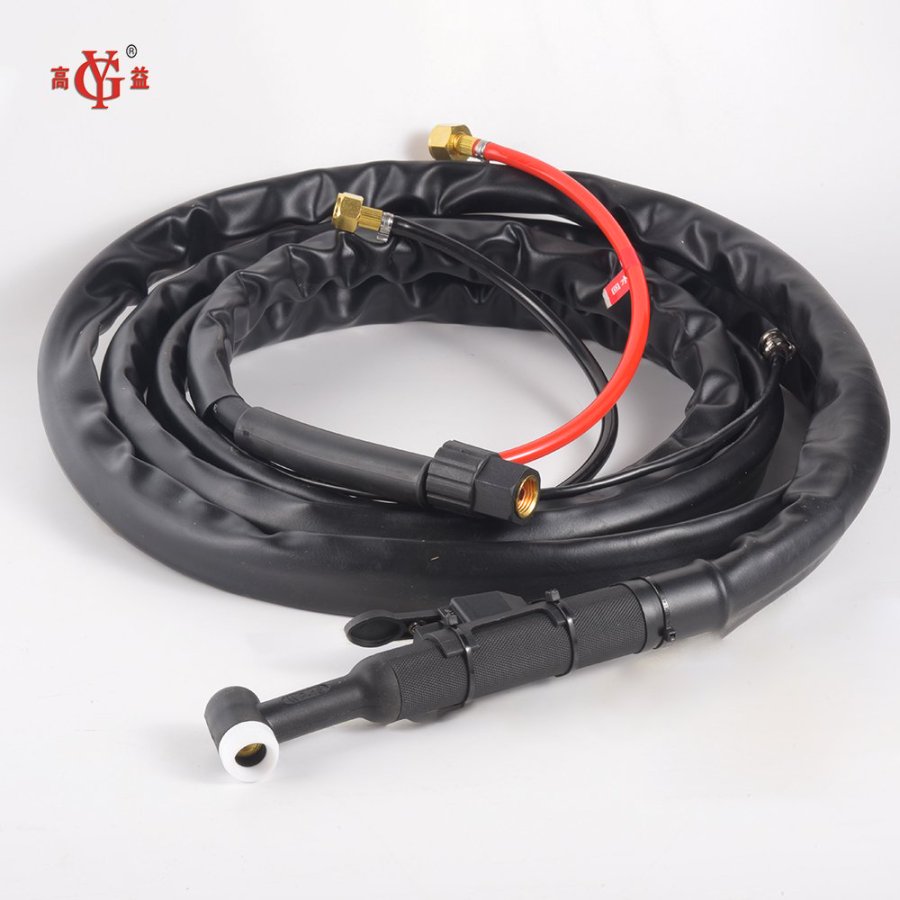
The Benefits of Digital Controls in TIG Welding Torches
Welding technology has evolved significantly over the years, leading to the introduction of more sophisticated equipment that enhances both the quality and efficiency of welding processes. One of the most notable advancements is the incorporation of **digital controls in TIG (Tungsten Inert Gas) welding torches**. In this article, we will explore the myriad benefits of these digital controls, their impact on welding precision, and how they can significantly improve productivity in various applications.
Table of Contents
1. Introduction to TIG Welding and Digital Controls
2. Understanding TIG Welding Technology
3. Advantages of Digital Controls in TIG Welding Torches
3.1 Enhanced Precision in Welding
3.2 Improved Control Over Welding Parameters
3.3 Increased Versatility for Various Applications
3.4 Real-Time Monitoring and Feedback
3.5 Simplified User Interface
4. The Role of Digital Displays in TIG Welding
5. Common Myths About Digital Controls in Welding
6. Future Trends in TIG Welding Technology
7. Frequently Asked Questions (FAQs)
8. Conclusion
1. Introduction to TIG Welding and Digital Controls
TIG welding is one of the most precise welding techniques available, often employed in industries requiring high-quality welds, such as aerospace, automotive, and manufacturing. The introduction of **digital controls** into TIG welding torches is a game-changer, providing welders with enhanced capabilities and improved outcomes. This article aims to delineate how these digital controls are shaping the future of TIG welding and why they are essential for modern welding applications.
2. Understanding TIG Welding Technology
TIG welding involves the use of a non-consumable tungsten electrode to produce the weld. A shielding gas, usually argon or helium, protects the weld area from oxidation and contamination. The process provides a high level of control over the weld pool, making it ideal for thin materials and intricate designs. As welding demands evolve, the need for advanced control systems has become apparent, leading to the development of digital controls in TIG torches.
3. Advantages of Digital Controls in TIG Welding Torches
The integration of digital controls into TIG welding torches provides numerous advantages that greatly enhance the welding experience. Let's delve into some of the most significant benefits.
3.1 Enhanced Precision in Welding
One of the primary benefits of using digital controls in TIG welding torches is the **enhanced precision** they offer. Digital controls allow welders to adjust settings with pinpoint accuracy, ensuring the appropriate amperage, voltage, and gas flow are maintained throughout the welding process. This level of control minimizes the risk of defects and produces high-quality welds, which is crucial in industries where precision is paramount.
3.2 Improved Control Over Welding Parameters
Digital controls provide welders with the ability to manage various welding parameters effectively. Users can customize their settings for different materials and thicknesses, adjusting the heat input to suit the specific requirements of each job. This greater control reduces the likelihood of overheating or underheating the workpiece, leading to more consistent and reliable welds.
3.3 Increased Versatility for Various Applications
With digital controls, TIG welding torches can easily adapt to diverse applications, whether it involves welding aluminum, stainless steel, or other metals. The ability to fine-tune settings allows welders to tackle different projects seamlessly, thus broadening the range of applications for TIG welding. This versatility makes digital TIG torches highly valuable in both specialized industries and general fabrication.
3.4 Real-Time Monitoring and Feedback
Digital controls offer **real-time monitoring and feedback** mechanisms that provide welders with immediate insights into their welding process. Many modern TIG torches are equipped with displays that show critical information, such as current, voltage, and gas flow rates. This feedback enables welders to make on-the-spot adjustments, ensuring optimal performance and reducing the likelihood of defects.
3.5 Simplified User Interface
Today's digital TIG welding torches often feature user-friendly interfaces, making it easier for operators to navigate settings and make adjustments. The intuitive design reduces the learning curve for new welders and enhances efficiency for experienced users. A simplified interface empowers welders to focus more on their craft rather than struggling with complex controls.
4. The Role of Digital Displays in TIG Welding
Digital displays in TIG welding torches serve as vital components that enhance the overall welding experience. These displays provide real-time data and facilitate quick adjustments, allowing welders to stay informed about their settings. Some advanced models even include programmable features that enable users to save specific configurations for different materials and projects, making it easier to switch between jobs.
5. Common Myths About Digital Controls in Welding
Despite the many benefits of digital controls in TIG welding torches, several myths persist that can deter welders from embracing this technology. Let’s debunk some of these misconceptions.
5.1 Myth: Digital Controls Are Complicated to Use
While early digital technologies may have had a steep learning curve, modern digital TIG welding torches are designed with user-friendliness in mind. The interfaces are often straightforward, allowing even novice welders to grasp the essential functions quickly.
5.2 Myth: Digital Controls Are Less Reliable Than Analog
The perception that digital systems are less reliable stems from outdated technology. Today's digital controls are built with robust materials and advanced engineering, ensuring reliability and durability in demanding environments.
5.3 Myth: Digital Controls Are Not Necessary for Experienced Welders
While experienced welders may feel confident in their abilities, digital controls can enhance even their skills. The precision and feedback mechanisms allow for greater consistency, which can lead to improved results, regardless of experience level.
6. Future Trends in TIG Welding Technology
As technology continues to advance, the future of TIG welding is set to evolve dramatically. Innovations such as AI integration for predictive analysis, enhanced automation, and the development of smart welding systems are on the horizon. Digital controls will further evolve, becoming more intuitive and capable of adapting to varying welding conditions automatically.
Enhanced connectivity will enable welders to monitor and control their equipment remotely, improving productivity and safety. As these technologies become more accessible, we can expect to see significant changes in how welding is performed across multiple industries.
7. Frequently Asked Questions (FAQs)
7.1 What are the primary benefits of digital controls in TIG welding torches?
The primary benefits include enhanced precision, improved control over welding parameters, increased versatility, real-time monitoring, and a simplified user interface.
7.2 How do digital controls improve welding quality?
Digital controls allow for precise adjustments to welding settings, reducing the risk of defects and enhancing overall weld quality.
7.3 Are digital TIG welding torches suitable for beginners?
Yes, the user-friendly interfaces of modern digital TIG welding torches make them accessible and suitable for beginners.
7.4 What materials can be welded using digital TIG torches?
Digital TIG torches can efficiently weld a variety of materials, including aluminum, stainless steel, and other metals.
7.5 How do I choose the right digital TIG welding torch for my needs?
When choosing a digital TIG welding torch, consider factors such as the types of materials you will be welding, the required amperage and voltage, and any specific features you might need, such as programmable settings or advanced display options.
8. Conclusion
In conclusion, the integration of **digital controls in TIG welding torches** has profound implications for the welding industry. From enhanced precision and improved control to increased versatility and real-time feedback, the benefits of these advanced systems are undeniable. As technology continues to progress, it is clear that digital controls will play an integral role in shaping the future of welding processes, making them more efficient and reliable. Embracing these innovations not only improves the quality of welds but also elevates the overall welding experience, paving the way for greater achievements in various industries.
TAG:
Related Posts
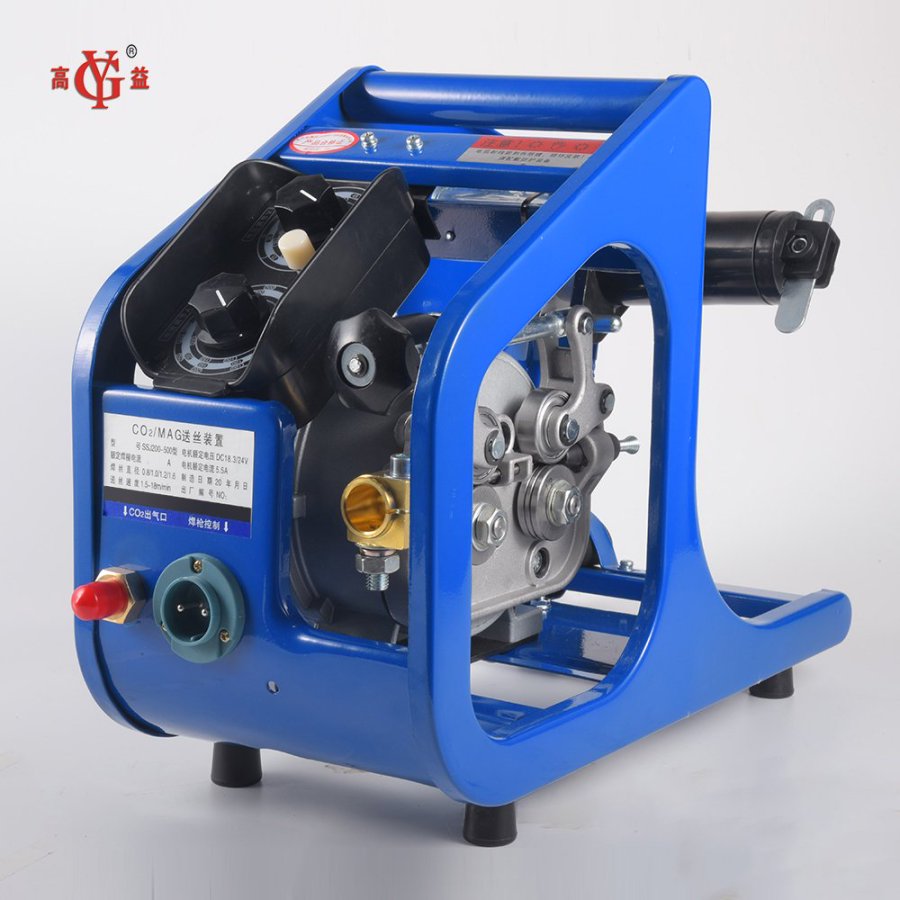
Troubleshooting Common Issues with MIG Welding Wire Feeders: A Comprehensive Guide
Troubleshooting Common Issues with MIG Welding Wire Feeders
MIG welding, or Gas Metal Arc Welding (GMAW), is a widely used technique in industrial settings due to its speed and versatility. The wire feeder, an integral component of MIG welding, plays a crucial role in delivering consistent and precise wire feed to the welding gun. However, like any piece of machinery, wire feeders can encounter pr