
Understanding MIG Welding Torches: Your Guide to Efficient Welding
Jun 10,2026
MIG (Metal Inert Gas) welding is a popular choice among welders due to its versatility and ease of use. One of the key components that make this process effective is the MIG welding torch. Understanding the mechanics and functionality of these torches is essential for optimizing performance and achieving high-quality welds.
A MIG welding torch consists of several main components: the handle, nozzl
MIG (Metal Inert Gas) welding is a popular choice among welders due to its versatility and ease of use. One of the key components that make this process effective is the MIG welding torch. Understanding the mechanics and functionality of these torches is essential for optimizing performance and achieving high-quality welds.
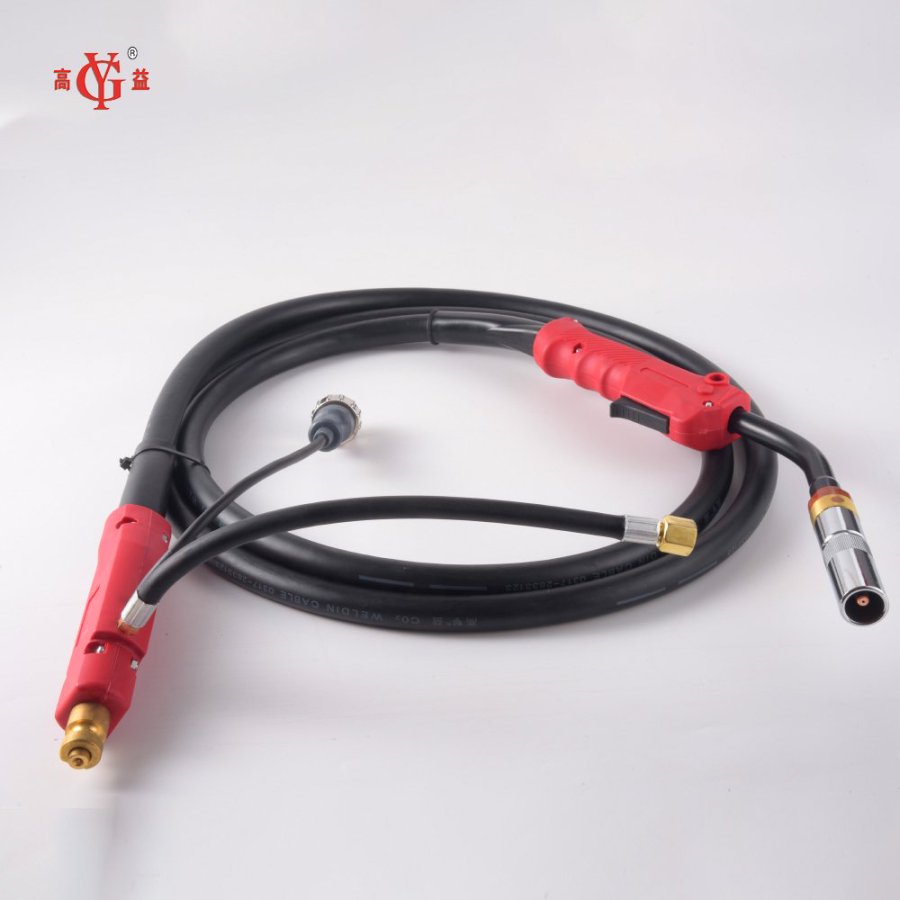
A MIG welding torch consists of several main components: the handle, nozzle, contact tip, and gas diffuser. The handle is where the welder grips the torch, while the nozzle directs the shielding gas onto the welding site. The contact tip is responsible for delivering the welding wire to the workpiece, ensuring a consistent feed. The gas diffuser helps to distribute the shielding gas evenly, protecting the weld pool from oxidation and contamination.
When selecting a MIG welding torch, it's essential to consider factors such as the type of welding being performed, the materials involved, and the amperage required. MIG torches come in various sizes and designs, with a range of capabilities suited for different applications. For example, a small, lightweight torch may be ideal for intricate work, while a larger, more robust model is better suited for heavy-duty welding tasks.
Proper maintenance of your MIG welding torch can significantly impact its performance and longevity. Regularly inspect the contact tip for wear, as a damaged tip can lead to poor arc stability and inconsistent welds. It's also important to ensure that the nozzle is clean and free from debris, as this can affect gas flow and, ultimately, the quality of your welds. Additionally, pay attention to the welding wire feed mechanism, ensuring that it is functioning smoothly to prevent feed issues.
Using a MIG welding torch effectively requires practice and understanding of the welding parameters. Adjusting the voltage and wire feed speed according to the material thickness and type is crucial for achieving optimal results. The angle and distance of the torch from the workpiece also play significant roles in the weld quality, impacting penetration and bead appearance.
In summary, a MIG welding torch is a vital tool for any welding professional. By understanding its components, types, and maintenance requirements, welders can enhance their skills and ensure high-quality results. Whether you are a novice or a seasoned expert, mastering the use of MIG welding torches will undoubtedly elevate your welding projects to new heights.
A MIG welding torch consists of several main components: the handle, nozzle, contact tip, and gas diffuser. The handle is where the welder grips the torch, while the nozzle directs the shielding gas onto the welding site. The contact tip is responsible for delivering the welding wire to the workpiece, ensuring a consistent feed. The gas diffuser helps to distribute the shielding gas evenly, protecting the weld pool from oxidation and contamination.
When selecting a MIG welding torch, it's essential to consider factors such as the type of welding being performed, the materials involved, and the amperage required. MIG torches come in various sizes and designs, with a range of capabilities suited for different applications. For example, a small, lightweight torch may be ideal for intricate work, while a larger, more robust model is better suited for heavy-duty welding tasks.
Proper maintenance of your MIG welding torch can significantly impact its performance and longevity. Regularly inspect the contact tip for wear, as a damaged tip can lead to poor arc stability and inconsistent welds. It's also important to ensure that the nozzle is clean and free from debris, as this can affect gas flow and, ultimately, the quality of your welds. Additionally, pay attention to the welding wire feed mechanism, ensuring that it is functioning smoothly to prevent feed issues.
Using a MIG welding torch effectively requires practice and understanding of the welding parameters. Adjusting the voltage and wire feed speed according to the material thickness and type is crucial for achieving optimal results. The angle and distance of the torch from the workpiece also play significant roles in the weld quality, impacting penetration and bead appearance.
In summary, a MIG welding torch is a vital tool for any welding professional. By understanding its components, types, and maintenance requirements, welders can enhance their skills and ensure high-quality results. Whether you are a novice or a seasoned expert, mastering the use of MIG welding torches will undoubtedly elevate your welding projects to new heights.
TAG:
Related Posts
Understanding MIG Welding Torches: Your Guide to Efficient Welding
MIG (Metal Inert Gas) welding is a popular choice among welders due to its versatility and ease of use. One of the key components that make this process effective is the MIG welding torch. Understanding the mechanics and functionality of these torches is essential for optimizing performance and achieving high-quality welds.
A MIG welding torch consists of several main components: the handle, nozzl