

Exploring the Different Types of Spot Welding Electrode Arms: An In-Depth Guide
Jul 24,2026
Exploring the Different Types of Spot Welding Electrode Arms
Table of Contents
1. Introduction to Spot Welding Electrode Arms
2. The Importance of Spot Welding in Electrical Manufacturing
3. Types of Spot Welding Electrode Arms
3.1 Copper Electrode Arms
3.2 Aluminum Electrode Arms
3.3 Multi-Stage Electrode Arms
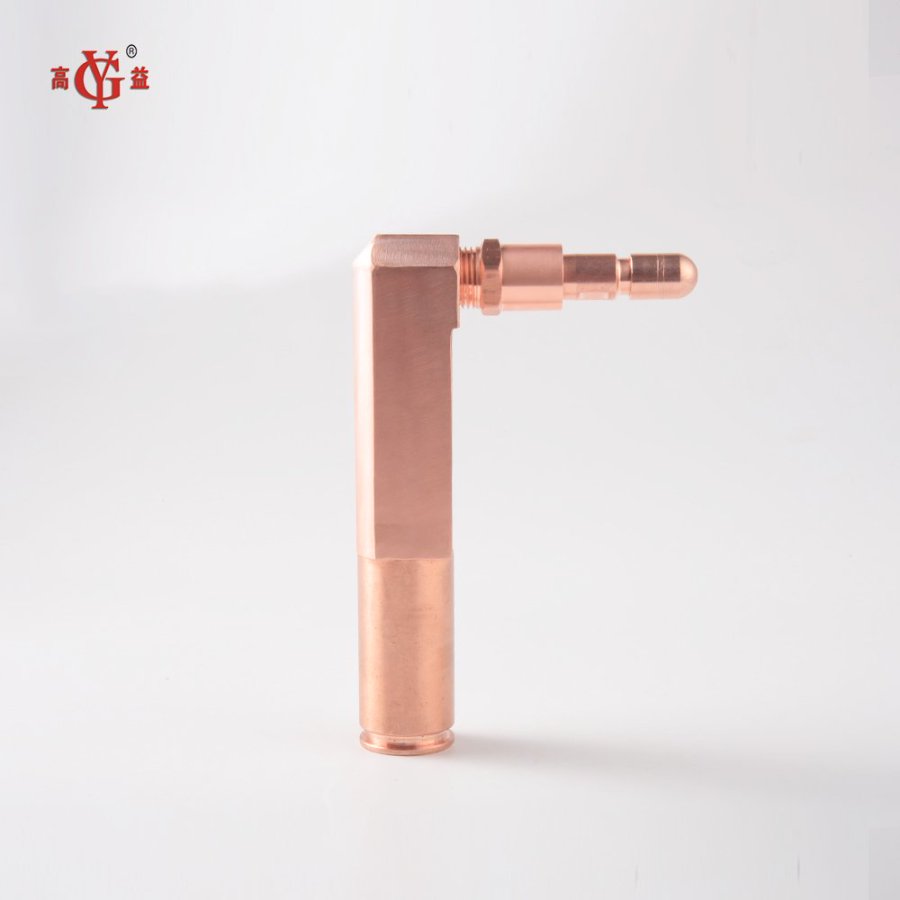
Exploring the Different Types of Spot Welding Electrode Arms
Table of Contents
- 1. Introduction to Spot Welding Electrode Arms
- 2. The Importance of Spot Welding in Electrical Manufacturing
- 3. Types of Spot Welding Electrode Arms
- 3.1 Copper Electrode Arms
- 3.2 Aluminum Electrode Arms
- 3.3 Multi-Stage Electrode Arms
- 3.4 Robotic Spot Welding Arms
- 4. Design Considerations for Spot Welding Electrode Arms
- 5. Common Applications of Spot Welding Electrode Arms
- 6. How to Choose the Right Spot Welding Electrode Arm
- 7. Maintenance Tips for Spot Welding Electrode Arms
- 8. Frequently Asked Questions (FAQs)
- 9. Conclusion
1. Introduction to Spot Welding Electrode Arms
Spot welding is a widely used technique in the manufacturing and fabrication industries, particularly in the production of electrical components and assemblies. The core of this process lies in the **spot welding electrode arms**, which play a critical role in ensuring high-quality welds. With the evolution of technology and increasing demands for efficiency, various types of electrode arms have emerged, each tailored to specific applications and materials. This guide delves into the different types of spot welding electrode arms, their features, applications, and selection criteria.
2. The Importance of Spot Welding in Electrical Manufacturing
Spot welding is crucial for joining metal parts without the need for additional filler materials. This method allows manufacturers to create strong, reliable connections suitable for electrical components, automotive parts, and other applications where strength and durability are necessary. Understanding the importance of spot welding electrode arms is essential for manufacturers aiming to improve production efficiency and product quality.
3. Types of Spot Welding Electrode Arms
Electrode arms vary in design and materials, catering to different needs in the welding process. Below, we explore four primary types of spot welding electrode arms:
3.1 Copper Electrode Arms
Copper is the most widely used material for spot welding electrodes due to its excellent electrical conductivity and thermal properties. **Copper electrode arms** can achieve high weld quality with minimal resistance, making them an ideal choice for a variety of applications. Their durability and ability to withstand high temperatures contribute to their popularity in industries such as automotive and electronics.
3.2 Aluminum Electrode Arms
Aluminum electrode arms are increasingly gaining traction due to their lightweight nature and good conductivity. They are particularly beneficial for welding aluminum and other non-ferrous metals. While **aluminum electrode arms** provide excellent thermal management, they may require more frequent replacement than their copper counterparts due to wear and tear.
3.3 Multi-Stage Electrode Arms
**Multi-stage electrode arms** are designed to handle complex welding tasks, allowing manufacturers to execute multiple welding operations in a single setup. These arms can be adjusted to accommodate various electrode configurations, enhancing versatility during production. They are particularly useful in applications involving different materials or thicknesses.
3.4 Robotic Spot Welding Arms
As automation continues to shape the manufacturing landscape, **robotic spot welding arms** have emerged as a game-changer. These arms are integrated into robotic systems, offering precision, speed, and consistency in the welding process. Robotic arms can execute complex welding patterns and are ideal for high-volume production environments, making them a cost-effective solution in the long run.
4. Design Considerations for Spot Welding Electrode Arms
When selecting a spot welding electrode arm, several design considerations come into play:
- **Material Composition**: The choice of material significantly impacts the electrode arm's performance. Copper is excellent for most applications, while aluminum may be better for lighter tasks.
- **Shape and Size**: The geometry of the electrode arm affects heat distribution and weld quality. Selecting the correct size and shape can optimize welding efficiency.
- **Cooling Mechanisms**: Effective cooling systems can prolong the lifespan of the electrode arm by reducing excessive heat build-up during the welding process.
- **Adjustability**: Electrode arms designed with adjustable features allow for enhanced flexibility, accommodating various welding tasks and materials.
5. Common Applications of Spot Welding Electrode Arms
Spot welding electrode arms find applications across various industries, including:
- **Automotive Manufacturing**: Used to join components like body panels and frames.
- **Electrical Component Assembly**: Essential for assembling circuit boards and connectors.
- **Appliance Manufacturing**: Commonly utilized in the production of household appliances.
- **Metal Fabrication**: Frequently employed in structural applications requiring strong connections.
Each of these applications demands specific electrode arm types tailored to the materials and production processes involved.
6. How to Choose the Right Spot Welding Electrode Arm
Selecting the right electrode arm involves analyzing several factors:
- **Material Type**: Consider the metals to be welded. Copper arms are ideal for steel, while aluminum arms work best for non-ferrous metals.
- **Welding Applications**: Different applications may require varying electrode arm designs. Assess the complexity of the tasks involved.
- **Production Volume**: High-volume operations may benefit from robotic arms for efficiency and consistency.
- **Budget**: Factor in not only the initial cost but also the long-term maintenance and replacement costs of the electrode arms.
By understanding these parameters, manufacturers can make informed decisions when acquiring spot welding electrode arms.
7. Maintenance Tips for Spot Welding Electrode Arms
Proper maintenance is vital for ensuring the longevity and performance of spot welding electrode arms. Here are some tips:
1. **Regular Inspections**: Frequently check for wear and tear, especially at contact points.
2. **Cleaning**: Keep the electrode arms clean to prevent contamination that could affect weld quality.
3. **Cooling Checks**: Ensure cooling systems function correctly to avoid overheating.
4. **Calibration**: Regularly calibrate the electrode arms to maintain optimal performance.
5. **Replacement**: Replace worn electrodes promptly to avoid compromising weld integrity.
Employing these maintenance strategies can help extend the life of electrode arms and ensure consistent welding performance.
8. Frequently Asked Questions (FAQs)
What material is best for spot welding electrode arms?
Copper is the most commonly used material due to its excellent conductivity and durability. For lightweight applications, aluminum is also a viable option.
How often should spot welding electrode arms be replaced?
The frequency of replacement depends on usage and wear. Regular inspections can help determine when replacements are necessary.
Can robotic arms be used for all types of spot welding?
Robotic arms are highly versatile and can be programmed for various types of spot welding, making them suitable for many applications.
What are the advantages of using multi-stage electrode arms?
Multi-stage electrode arms allow for greater flexibility, enabling manufacturers to handle different welding tasks without needing to switch equipment frequently.
How can I improve the efficiency of my spot welding process?
Utilizing the right electrode arm, maintaining equipment properly, and optimizing the welding cycle can significantly enhance the efficiency of your spot welding operations.
9. Conclusion
Understanding the different types of spot welding electrode arms is crucial for improving the efficiency and quality of welding processes in various manufacturing settings. Whether opting for copper, aluminum, multi-stage, or robotic arms, each type serves specific applications and has unique advantages. By considering factors such as material, design, maintenance, and operational needs, manufacturers can make informed choices that optimize their welding operations. Investing in the right electrode arms not only enhances product quality but also boosts productivity, ultimately leading to a more successful manufacturing process.
TAG:
Previous:
Related Posts
Exploring the Different Types of Spot Welding Electrode Arms: An In-Depth Guide
Exploring the Different Types of Spot Welding Electrode Arms
Table of Contents
1. Introduction to Spot Welding Electrode Arms
2. The Importance of Spot Welding in Electrical Manufacturing
3. Types of Spot Welding Electrode Arms
3.1 Copper Electrode Arms
3.2 Aluminum Electrode Arms
3.3 Multi-Stage Electrode Arms


