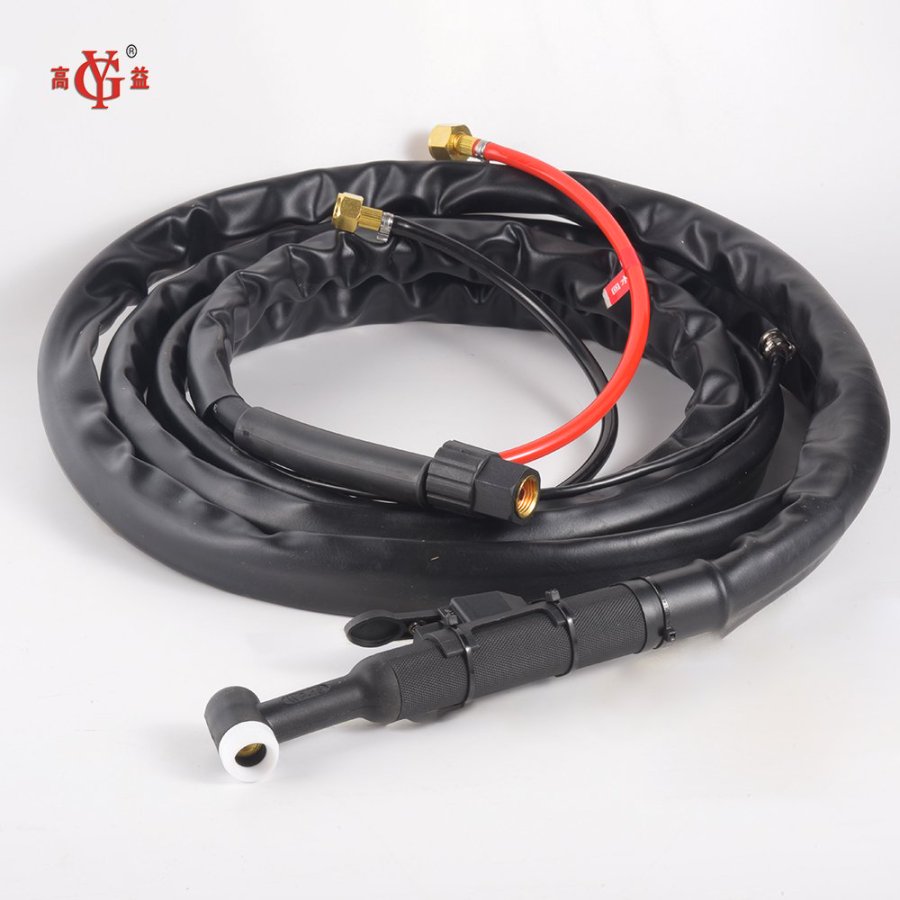

Understanding Non-Inductive Welding Cables for a Stable Arc
Jul 23,2026
---
When it comes to welding, the quality and stability of the arc are crucial for achieving strong, lasting welds. One key component that plays a significant role in this process is the welding cable. Specifically, *non-inductive welding cables* are designed to maintain a stable arc, providing welders with a reliable tool for various applications.
Non-inductive welding cables are engineered to mi

---
When it comes to welding, the quality and stability of the arc are crucial for achieving strong, lasting welds. One key component that plays a significant role in this process is the welding cable. Specifically, *non-inductive welding cables* are designed to maintain a stable arc, providing welders with a reliable tool for various applications.
Non-inductive welding cables are engineered to minimize inductance, which can cause fluctuations in the welding current. This stability is essential for achieving consistent arc performance. Traditional cables can introduce unwanted inductance, leading to erratic arc behavior, which can result in weak or inconsistent welds. By choosing non-inductive options, welders avoid these inconsistencies, allowing for smoother operation and higher-quality welds.
One of the primary advantages of non-inductive welding cables is their construction. These cables often incorporate materials and designs that restrict the coil effect that can occur with conventional cables. By using a multi-stranded copper conductor or a flat design, non-inductive cables reduce the magnetic field generated during welding. This reduction in inductive effects not only stabilizes the arc but also enhances the cable's overall performance.
In addition to arc stability, using non-inductive welding cables can also lead to improved heat dissipation. Since these cables are less prone to overheating, they can operate at higher amperages without the risk of damage. This characteristic is particularly beneficial for professional welders who require durable and reliable equipment for heavy-duty tasks. The heat resistance also contributes to the longevity of the cable, making it a wise investment for those in the welding industry.
Moreover, non-inductive welding cables are versatile and can be used in various welding processes, including MIG, TIG, and stick welding. Their reliability extends across different environments, from construction sites to fabrication shops, making them suitable for both indoor and outdoor applications. By ensuring a stable arc, these cables help welders achieve better control over their work, leading to improved efficiency and productivity.
Another point worth mentioning is the importance of proper cable selection based on the specific welding application. Factors such as cable length, diameter, and insulation type should be considered to ensure optimal performance. Choosing the right non-inductive welding cable not only guarantees stable arc performance but also enhances safety, reduces downtime, and maximizes the effectiveness of the welding process.
In conclusion, non-inductive welding cables are a vital component for any welder looking to improve arc stability and overall welding performance. By minimizing inductive effects and enhancing durability, these cables provide a reliable solution for a variety of welding applications. Investing in high-quality non-inductive welding cables will ultimately lead to better results and greater satisfaction in welding projects.
When it comes to welding, the quality and stability of the arc are crucial for achieving strong, lasting welds. One key component that plays a significant role in this process is the welding cable. Specifically, *non-inductive welding cables* are designed to maintain a stable arc, providing welders with a reliable tool for various applications.
Non-inductive welding cables are engineered to minimize inductance, which can cause fluctuations in the welding current. This stability is essential for achieving consistent arc performance. Traditional cables can introduce unwanted inductance, leading to erratic arc behavior, which can result in weak or inconsistent welds. By choosing non-inductive options, welders avoid these inconsistencies, allowing for smoother operation and higher-quality welds.
One of the primary advantages of non-inductive welding cables is their construction. These cables often incorporate materials and designs that restrict the coil effect that can occur with conventional cables. By using a multi-stranded copper conductor or a flat design, non-inductive cables reduce the magnetic field generated during welding. This reduction in inductive effects not only stabilizes the arc but also enhances the cable's overall performance.
In addition to arc stability, using non-inductive welding cables can also lead to improved heat dissipation. Since these cables are less prone to overheating, they can operate at higher amperages without the risk of damage. This characteristic is particularly beneficial for professional welders who require durable and reliable equipment for heavy-duty tasks. The heat resistance also contributes to the longevity of the cable, making it a wise investment for those in the welding industry.
Moreover, non-inductive welding cables are versatile and can be used in various welding processes, including MIG, TIG, and stick welding. Their reliability extends across different environments, from construction sites to fabrication shops, making them suitable for both indoor and outdoor applications. By ensuring a stable arc, these cables help welders achieve better control over their work, leading to improved efficiency and productivity.
Another point worth mentioning is the importance of proper cable selection based on the specific welding application. Factors such as cable length, diameter, and insulation type should be considered to ensure optimal performance. Choosing the right non-inductive welding cable not only guarantees stable arc performance but also enhances safety, reduces downtime, and maximizes the effectiveness of the welding process.
In conclusion, non-inductive welding cables are a vital component for any welder looking to improve arc stability and overall welding performance. By minimizing inductive effects and enhancing durability, these cables provide a reliable solution for a variety of welding applications. Investing in high-quality non-inductive welding cables will ultimately lead to better results and greater satisfaction in welding projects.
TAG:
Previous
Related Posts
Understanding Non-Inductive Welding Cables for a Stable Arc
---
When it comes to welding, the quality and stability of the arc are crucial for achieving strong, lasting welds. One key component that plays a significant role in this process is the welding cable. Specifically, *non-inductive welding cables* are designed to maintain a stable arc, providing welders with a reliable tool for various applications.
Non-inductive welding cables are engineered to mi