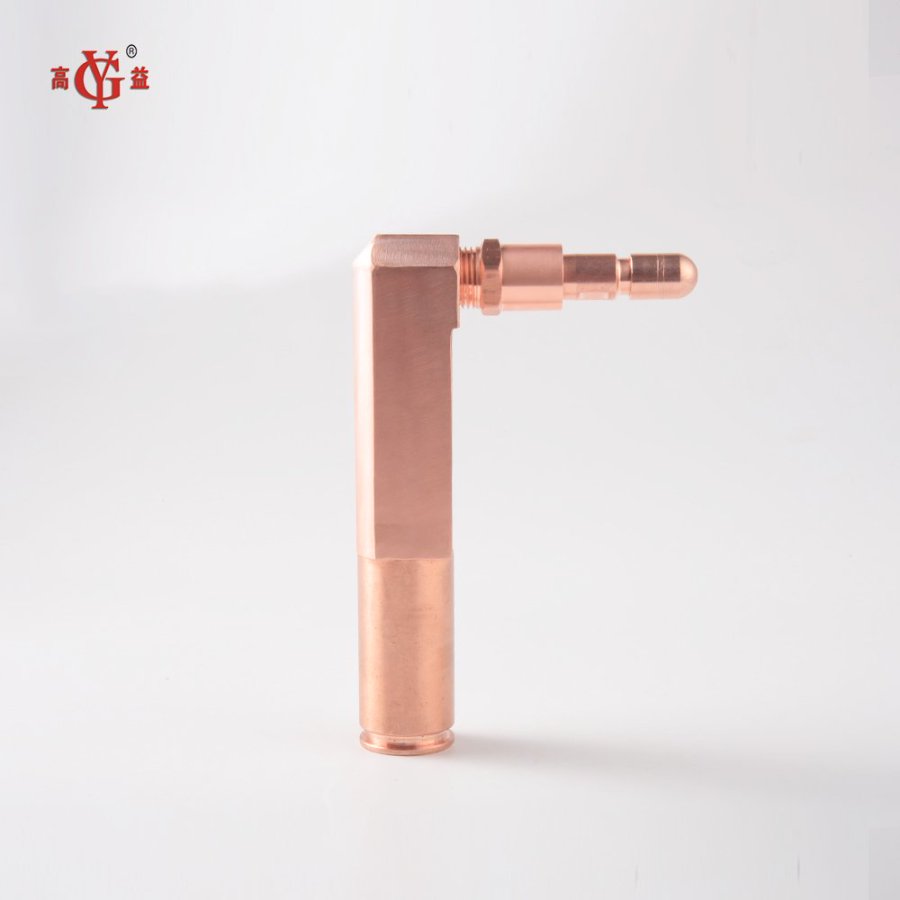

Understanding Spot Welding Electrode Caps: Essential Insights for Efficient Welding
Jul 25,2026
Spot welding is a widely used technique in various industries, particularly in manufacturing and assembly applications. One of the critical components of the spot welding process is the electrode cap, which plays a vital role in the efficiency and effectiveness of welding operations. Understanding spot welding electrode caps can significantly impact the quality of your welds and the lifespan of yo

Spot welding is a widely used technique in various industries, particularly in manufacturing and assembly applications. One of the critical components of the spot welding process is the electrode cap, which plays a vital role in the efficiency and effectiveness of welding operations. Understanding spot welding electrode caps can significantly impact the quality of your welds and the lifespan of your equipment.
At its core, the spot welding electrode cap is designed to focus the electrical current during the welding process. It helps in creating a strong and localized weld by ensuring that the heat generated is concentrated at the welding point. The material and design of the electrode cap influence the overall performance of the welding operation. Common materials include copper and its alloys, chosen for their excellent conductivity and heat resistance.
One of the primary functions of the electrode cap is to protect the underlying electrode from wear and tear. During welding, the caps endure extreme temperatures and pressures, leading to gradual degradation. Regular inspection and timely replacement of electrode caps are crucial for maintaining consistent weld quality. If the caps become excessively worn or deformed, they may lead to poor electrical contact, resulting in weak or inconsistent welds.
Selecting the right electrode cap for your welding tasks involves considering several factors. Firstly, the thickness and type of materials being welded will impact the required specifications for the electrode cap. Thicker materials may require caps with greater durability, while lighter materials may benefit from more streamlined designs. Additionally, the welding current and cycle time can influence the choice of cap, as different applications demand varying levels of heat resistance and conductivity.
It's also essential to maintain your spot welding equipment properly. Regular cleaning of the electrode caps can help prolong their lifespan and improve welding quality. Build-up of debris or oxidation can hinder electrical contact, so routine maintenance is essential. Using a wire brush or a dedicated cleaning tool can effectively remove contaminants and ensure optimal performance.
In summary, understanding the role of spot welding electrode caps is crucial for anyone involved in welding operations. Their design, material, and maintenance play significant roles in achieving high-quality welds. By selecting the appropriate cap and adhering to maintenance best practices, you can enhance the efficiency of your welding processes and ensure long-lasting equipment performance. Whether you're involved in industrial manufacturing or smaller-scale projects, investing attention in your electrode caps can lead to better outcomes and more effective welding results.
At its core, the spot welding electrode cap is designed to focus the electrical current during the welding process. It helps in creating a strong and localized weld by ensuring that the heat generated is concentrated at the welding point. The material and design of the electrode cap influence the overall performance of the welding operation. Common materials include copper and its alloys, chosen for their excellent conductivity and heat resistance.
One of the primary functions of the electrode cap is to protect the underlying electrode from wear and tear. During welding, the caps endure extreme temperatures and pressures, leading to gradual degradation. Regular inspection and timely replacement of electrode caps are crucial for maintaining consistent weld quality. If the caps become excessively worn or deformed, they may lead to poor electrical contact, resulting in weak or inconsistent welds.
Selecting the right electrode cap for your welding tasks involves considering several factors. Firstly, the thickness and type of materials being welded will impact the required specifications for the electrode cap. Thicker materials may require caps with greater durability, while lighter materials may benefit from more streamlined designs. Additionally, the welding current and cycle time can influence the choice of cap, as different applications demand varying levels of heat resistance and conductivity.
It's also essential to maintain your spot welding equipment properly. Regular cleaning of the electrode caps can help prolong their lifespan and improve welding quality. Build-up of debris or oxidation can hinder electrical contact, so routine maintenance is essential. Using a wire brush or a dedicated cleaning tool can effectively remove contaminants and ensure optimal performance.
In summary, understanding the role of spot welding electrode caps is crucial for anyone involved in welding operations. Their design, material, and maintenance play significant roles in achieving high-quality welds. By selecting the appropriate cap and adhering to maintenance best practices, you can enhance the efficiency of your welding processes and ensure long-lasting equipment performance. Whether you're involved in industrial manufacturing or smaller-scale projects, investing attention in your electrode caps can lead to better outcomes and more effective welding results.
TAG:
Related Posts
Understanding Spot Welding Electrode Caps: Essential Insights for Efficient Welding
Spot welding is a widely used technique in various industries, particularly in manufacturing and assembly applications. One of the critical components of the spot welding process is the electrode cap, which plays a vital role in the efficiency and effectiveness of welding operations. Understanding spot welding electrode caps can significantly impact the quality of your welds and the lifespan of yo