
Troubleshooting Common Issues with MIG Welding Wire Feeders: A Comprehensive Guide
Jul 26,2026
Troubleshooting Common Issues with MIG Welding Wire Feeders
MIG welding, or Gas Metal Arc Welding (GMAW), is a widely used technique in industrial settings due to its speed and versatility. The wire feeder, an integral component of MIG welding, plays a crucial role in delivering consistent and precise wire feed to the welding gun. However, like any piece of machinery, wire feeders can encounter pr
Troubleshooting Common Issues with MIG Welding Wire Feeders
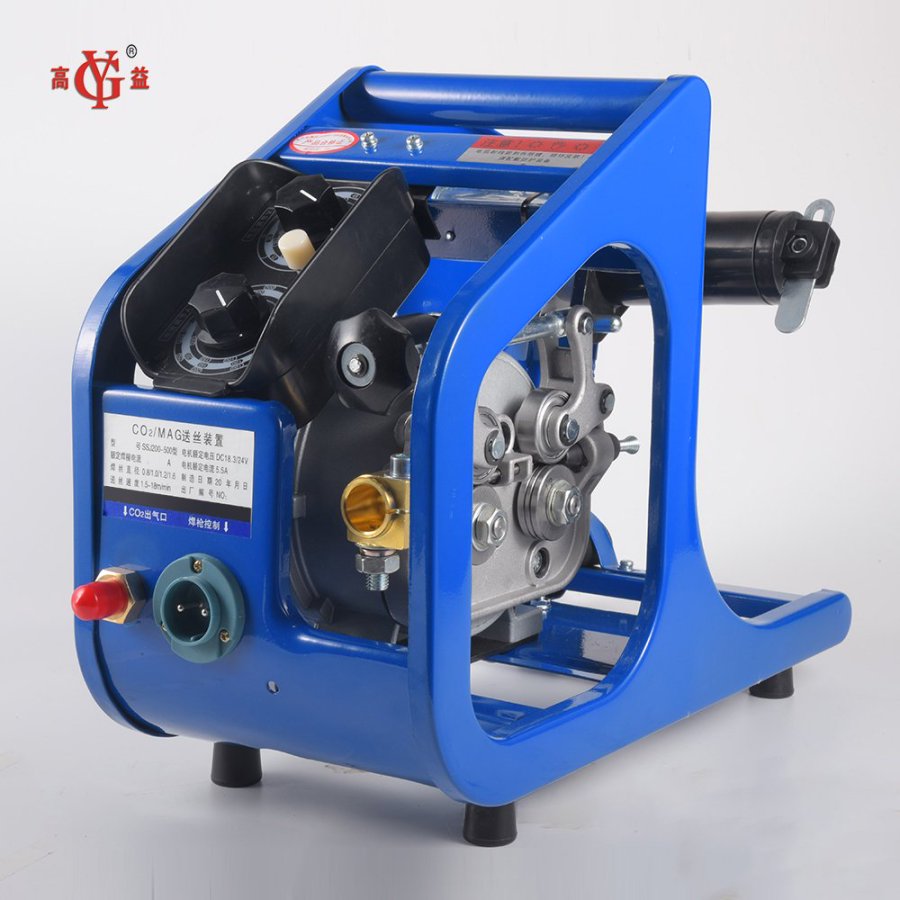
MIG welding, or Gas Metal Arc Welding (GMAW), is a widely used technique in industrial settings due to its speed and versatility. The wire feeder, an integral component of MIG welding, plays a crucial role in delivering consistent and precise wire feed to the welding gun. However, like any piece of machinery, wire feeders can encounter problems that disrupt the welding process. In this article, we will explore common issues associated with MIG welding wire feeders and provide in-depth troubleshooting tips to ensure smooth operation.
Table of Contents
1. Introduction to MIG Welding Wire Feeders
2. Common Issues with MIG Welding Wire Feeders
- 2.1 Wire Jamming in MIG Feeders
- 2.2 Inconsistent Wire Feed Rate
- 2.3 Burnback Problems
- 2.4 Contact Tip Wear and Failure
- 2.5 Electrical Issues Affecting Feeders
3. Troubleshooting Methods for Common Issues
- 3.1 Solutions for Wire Jamming
- 3.2 Optimizing Wire Feed Rate
- 3.3 Addressing Burnback Problems
- 3.4 Maintaining Contact Tips
- 3.5 Checking Electrical Connections
4. Preventive Maintenance for MIG Wire Feeders
5. When to Seek Professional Help
6. Conclusion
7. FAQs
Introduction to MIG Welding Wire Feeders
MIG welding wire feeders are designed to supply a continuous wire feed, ensuring a smooth and uninterrupted welding arc. These feeders are equipped with various components, including drive rolls, a tensioning system, and a motor, all of which work together to maintain consistent wire delivery. A well-functioning wire feeder is essential for high-quality welds and overall welding efficiency. However, problems can arise, making it essential for welders to understand how to troubleshoot common issues effectively.
Common Issues with MIG Welding Wire Feeders
In this section, we will examine some of the most prevalent issues that can occur with MIG wire feeders, detailing the symptoms and possible causes for each.
Wire Jamming in MIG Feeders
Wire jamming is one of the most frustrating issues a welder can encounter. This problem typically occurs when the welding wire gets stuck in the feeder mechanism, preventing it from being fed to the gun. The most common causes of wire jamming include improper wire size, incorrect tension settings, and obstructions in the feeder path.
Inconsistent Wire Feed Rate
An inconsistent wire feed rate can lead to unwanted weld characteristics, such as undercutting or poor penetration. This issue can stem from various factors, including dirty or worn drive rolls, incorrect tension, or problems with the motor's speed settings.
Burnback Problems
Burnback occurs when the welding wire melts back into the contact tip, causing a blockage that can hamper welding performance. This issue often arises from excessive heat or incorrect gas flow rates, and it can lead to further complications such as short-circuits.
Contact Tip Wear and Failure
The contact tip is a critical component of the MIG welding process, as it conducts the welding current to the wire. Over time, contact tips can wear out or fail, leading to poor arc stability and inconsistent welds. Common signs of contact tip issues include erratic arcs and frequent wire burnbacks.
Electrical Issues Affecting Feeders
Electrical problems can cause intermittent wire feeding and affect overall welding performance. Issues with the power supply, damaged wires, or faulty connections can lead to erratic feed rates and inconsistent welding quality.
Troubleshooting Methods for Common Issues
Once the common issues have been identified, it’s essential to know how to troubleshoot them effectively. Below are practical solutions for each issue.
Solutions for Wire Jamming
To resolve wire jamming issues:
1. **Check the Wire Size and Type**: Ensure that the wire used is compatible with the feeder and that the diameter matches the specifications.
2. **Adjust Wire Tension**: Too much tension can cause the wire to bend and jam. Loosen the drive roll tension slightly to allow for smoother feeding.
3. **Inspect Feed Path**: Clear any obstructions in the feed path, including dirt, debris, or damage to the feeder components.
Optimizing Wire Feed Rate
To achieve a consistent wire feed rate:
1. **Inspect Drive Rolls**: Ensure the drive rolls are clean and undamaged. Replace worn rolls as necessary.
2. **Adjust Tension Settings**: Fine-tune the tension settings based on the wire type to maintain a consistent feed.
3. **Check Motor Performance**: Ensure the motor is functioning correctly and not running at an inconsistent speed.
Addressing Burnback Problems
To minimize burnback occurrences:
1. **Adjust Heat Settings**: Lower the voltage or current settings to avoid excessive heat that can cause burnback.
2. **Optimize Gas Flow Rate**: Ensure that the shielding gas flow rate is set correctly to protect the weld area and prevent excessive spatter.
Maintaining Contact Tips
To prolong the life of contact tips:
1. **Regular Inspection**: Check contact tips for wear and replace them as needed to ensure optimal performance.
2. **Clean Tips Regularly**: Use a wire brush or tip cleaner to remove any accumulated spatter or debris.
Checking Electrical Connections
To troubleshoot electrical issues:
1. **Inspect Cables and Connectors**: Check for any signs of wear, corrosion, or damage in the electrical cables and connectors.
2. **Test Power Supply**: Use a multimeter to ensure that the power supply is functioning correctly and supplying the appropriate voltage.
Preventive Maintenance for MIG Wire Feeders
Preventive maintenance is critical to ensuring the longevity and performance of MIG welding wire feeders. Implementing a regular maintenance schedule can help prevent many common issues. Here are some essential maintenance tips:
1. **Regular Cleaning**: Keep the wire feeder clean by removing dust, debris, and spatter that can accumulate over time.
2. **Inspect Components**: Regularly check drive rolls, contact tips, and other components for signs of wear or damage.
3. **Lubrication**: Lubricate moving parts as recommended by the manufacturer to ensure smooth operation.
When to Seek Professional Help
While many issues can be resolved through basic troubleshooting, some situations may require professional assistance. If you encounter persistent problems that affect your welding performance despite your efforts, it may be time to consult a professional technician. Additionally, complex electrical issues or mechanical failures often necessitate expert intervention.
Conclusion
Troubleshooting MIG welding wire feeders can be challenging, but understanding common issues and their solutions is crucial for any welder. By following the steps outlined in this guide, you can effectively address problems ranging from wire jamming to electrical failures. Regular maintenance and prompt attention to issues will not only enhance your welding experience but also extend the lifespan of your equipment, ensuring optimal performance in every project.
FAQs
1. **What should I do if my wire feeder keeps jamming?**
- Ensure that the wire size is correct and adjust the tension settings. Inspect the feed path for any obstructions.
2. **How can I tell if my contact tip is worn out?**
- Look for signs of excessive wear, such as irregular arcs or frequent burnbacks. A worn tip will have a larger opening or signs of melting.
3. **What causes inconsistent wire feed rates?**
- Common causes include dirty or worn drive rolls, improper tension settings, or motor issues.
4. **How often should I perform maintenance on my MIG wire feeder?**
- Regular maintenance should be done weekly, with thorough inspections and cleaning every few months depending on usage.
5. **When should I seek professional help for my MIG welder?**
- If you encounter persistent issues that cannot be resolved through basic troubleshooting or if you suspect electrical or mechanical failure, it is advisable to consult a professional.
TAG:
Previous
Related Posts
Troubleshooting Common Issues with MIG Welding Wire Feeders: A Comprehensive Guide
Troubleshooting Common Issues with MIG Welding Wire Feeders
MIG welding, or Gas Metal Arc Welding (GMAW), is a widely used technique in industrial settings due to its speed and versatility. The wire feeder, an integral component of MIG welding, plays a crucial role in delivering consistent and precise wire feed to the welding gun. However, like any piece of machinery, wire feeders can encounter pr