
The Essential Guide to Welding Torch Nozzles: Maximizing Performance and Efficiency
May 14,2026
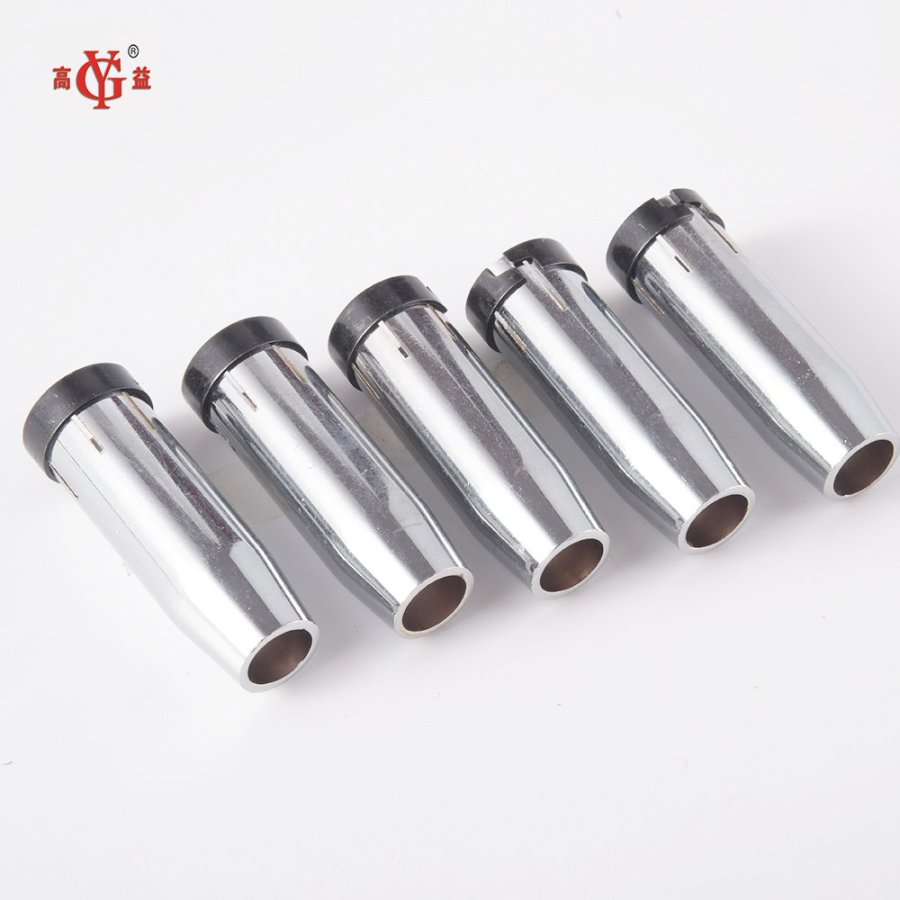
Welding torch nozzles play a vital role in the welding process, directing and controlling the flow of shielding gas and heat during welding operations. Their design and functionality can significantly influence the quality of the weld, making it essential for professionals in the welding industry to understand their importance.
The primary function of a welding torch nozzle is to concentrate the a
Welding torch nozzles play a vital role in the welding process, directing and controlling the flow of shielding gas and heat during welding operations. Their design and functionality can significantly influence the quality of the weld, making it essential for professionals in the welding industry to understand their importance.
The primary function of a welding torch nozzle is to concentrate the arc and protect the weld pool from atmospheric contamination. Different welding processes, such as MIG (Metal Inert Gas), TIG (Tungsten Inert Gas), and others, require specific types of nozzles tailored to their unique operational needs. For example, in MIG welding, nozzles are typically designed to accommodate different wire diameters and gas flow rates, ensuring optimal shielding and preventing defects.
There are several types of welding torch nozzles, including:
1. **Gas Nozzles**: Commonly used in TIG welding, these nozzles help in directing inert gas around the weld area, providing a protective atmosphere that minimizes oxidation and contamination.
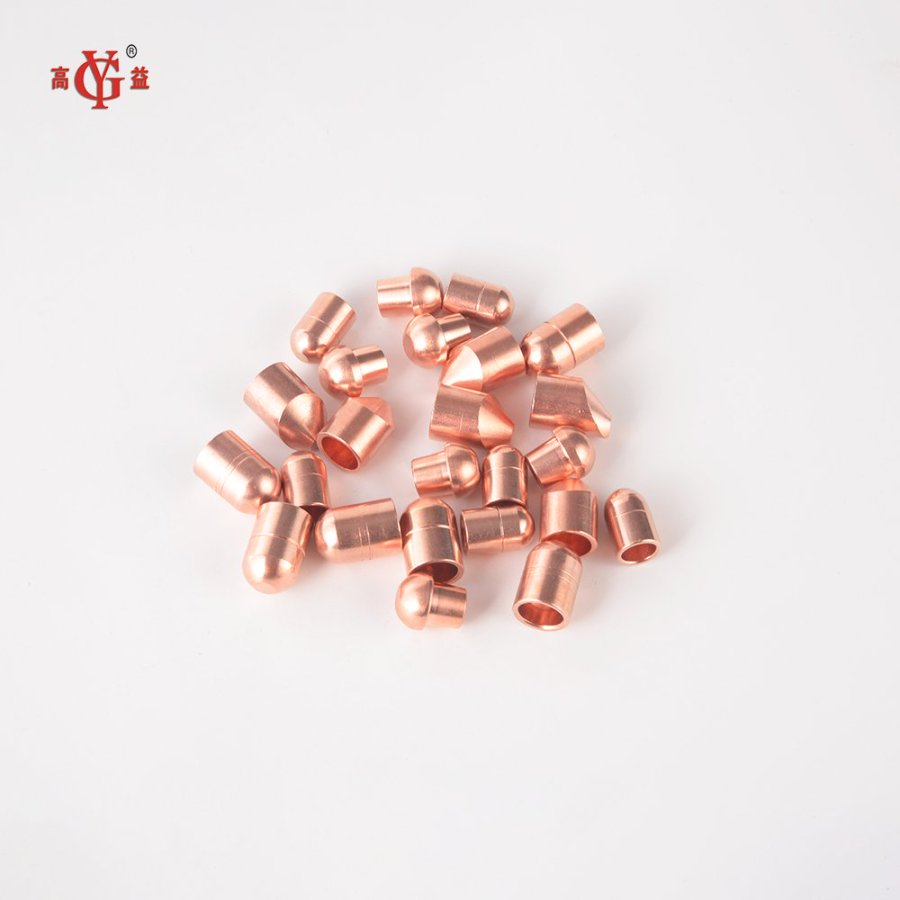
2. **Contact Tips**: Found in MIG welding torches, contact tips are essential for conducting electricity to the welding wire while simultaneously providing a pathway for the shielding gas.
3. **Swirl Nozzles**: These nozzles create a swirling gas flow, enhancing the shielding effect by increasing the coverage area and improving gas distribution, which can be particularly beneficial in high-heat applications.
4. **Conical Nozzles**: Designed for applications requiring high heat concentration, these nozzles focus the arc more narrowly, allowing for deeper penetration in thicker materials.
Maintaining welding torch nozzles is critical for ensuring consistent performance. Over time, nozzles can become clogged with spatter or damaged from heat exposure. Regular inspection and cleaning can prevent these issues, allowing for uninterrupted workflow. A simple cleaning routine involves using a wire brush or a nozzle cleaning kit to remove any buildup.
Choosing the right welding torch nozzle is also integral to achieving desired results. Factors such as the type of material being welded, the thickness of the workpiece, and the specific welding technique should guide the selection process.
In summary, understanding the various types and functions of welding torch nozzles can greatly enhance the efficiency and quality of welding tasks. By choosing the appropriate nozzle and maintaining it properly, professionals can ensure optimal performance in their welding operations, leading to better results and increased productivity.
The primary function of a welding torch nozzle is to concentrate the arc and protect the weld pool from atmospheric contamination. Different welding processes, such as MIG (Metal Inert Gas), TIG (Tungsten Inert Gas), and others, require specific types of nozzles tailored to their unique operational needs. For example, in MIG welding, nozzles are typically designed to accommodate different wire diameters and gas flow rates, ensuring optimal shielding and preventing defects.
There are several types of welding torch nozzles, including:
1. **Gas Nozzles**: Commonly used in TIG welding, these nozzles help in directing inert gas around the weld area, providing a protective atmosphere that minimizes oxidation and contamination.
2. **Contact Tips**: Found in MIG welding torches, contact tips are essential for conducting electricity to the welding wire while simultaneously providing a pathway for the shielding gas.
3. **Swirl Nozzles**: These nozzles create a swirling gas flow, enhancing the shielding effect by increasing the coverage area and improving gas distribution, which can be particularly beneficial in high-heat applications.
4. **Conical Nozzles**: Designed for applications requiring high heat concentration, these nozzles focus the arc more narrowly, allowing for deeper penetration in thicker materials.
Maintaining welding torch nozzles is critical for ensuring consistent performance. Over time, nozzles can become clogged with spatter or damaged from heat exposure. Regular inspection and cleaning can prevent these issues, allowing for uninterrupted workflow. A simple cleaning routine involves using a wire brush or a nozzle cleaning kit to remove any buildup.
Choosing the right welding torch nozzle is also integral to achieving desired results. Factors such as the type of material being welded, the thickness of the workpiece, and the specific welding technique should guide the selection process.
In summary, understanding the various types and functions of welding torch nozzles can greatly enhance the efficiency and quality of welding tasks. By choosing the appropriate nozzle and maintaining it properly, professionals can ensure optimal performance in their welding operations, leading to better results and increased productivity.
TAG:
Related Posts
Understanding the Essentials of MIG Welding Torches: A Comprehensive Guide
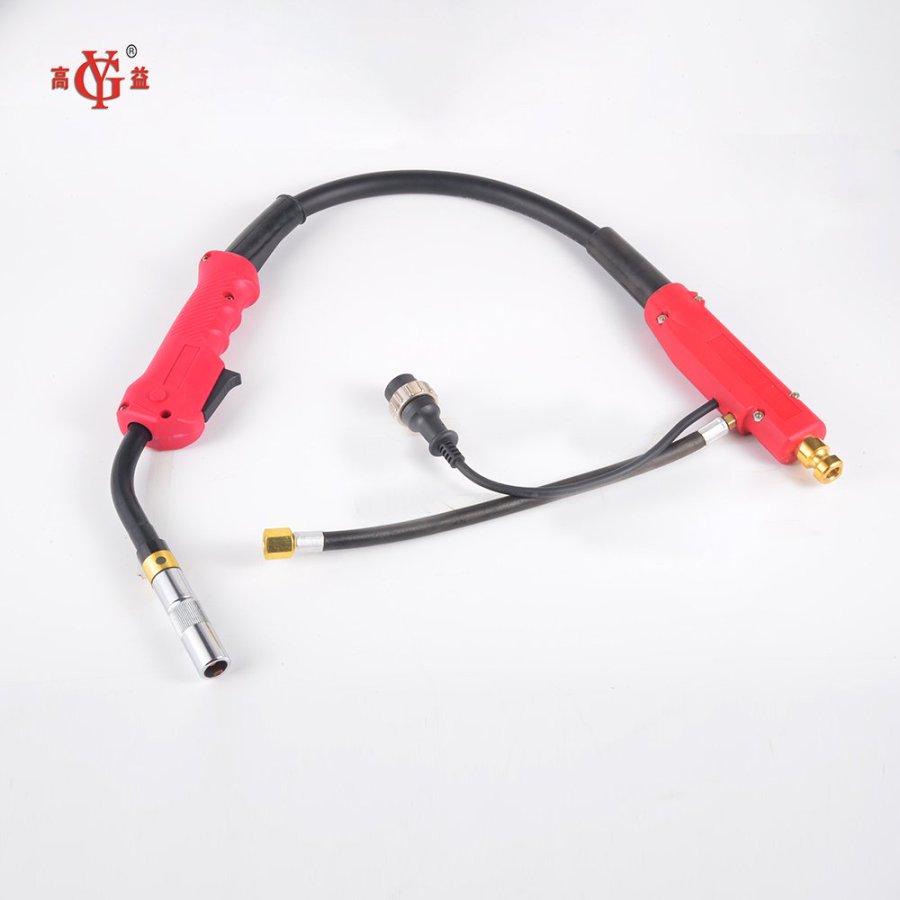
MIG (Metal Inert Gas) welding torches are vital tools in the welding industry, particularly for professionals involved in electrical and electronic applications. Understanding the functionality, components, and maintenance of these torches can significantly enhance welding quality and efficiency.
A MIG welding torch primarily consists of a nozzle, contact tip, and gas diffuser. The nozzle directs