
Understanding the Essentials of MIG Welding Torches: A Comprehensive Guide
May 15,2026
MIG (Metal Inert Gas) welding torches are vital tools in the welding industry, particularly for professionals involved in electrical and electronic applications. Understanding the functionality, components, and maintenance of these torches can significantly enhance welding quality and efficiency.
A MIG welding torch primarily consists of a nozzle, contact tip, and gas diffuser. The nozzle directs
MIG (Metal Inert Gas) welding torches are vital tools in the welding industry, particularly for professionals involved in electrical and electronic applications. Understanding the functionality, components, and maintenance of these torches can significantly enhance welding quality and efficiency.
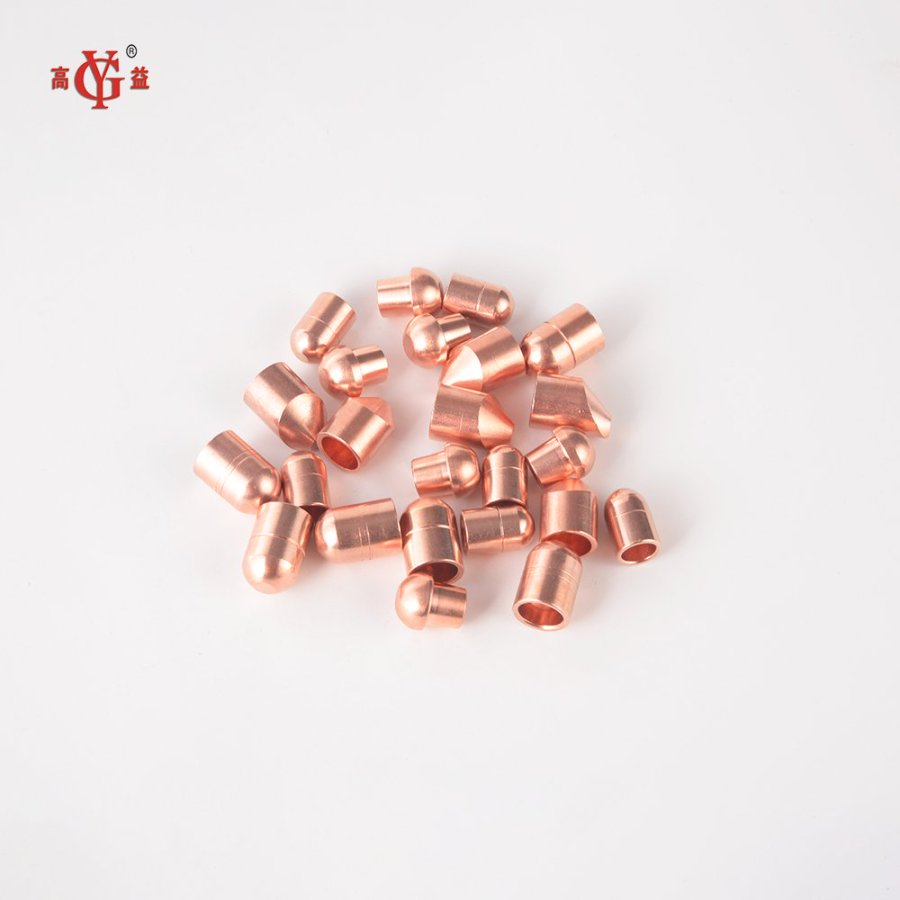
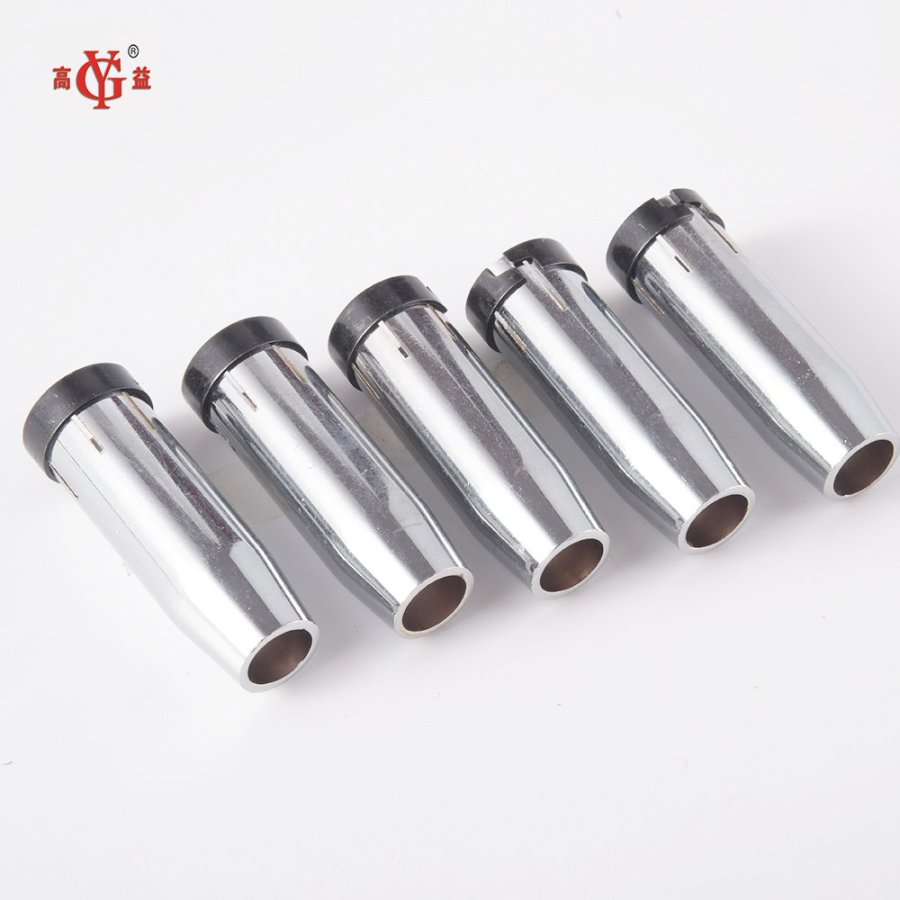
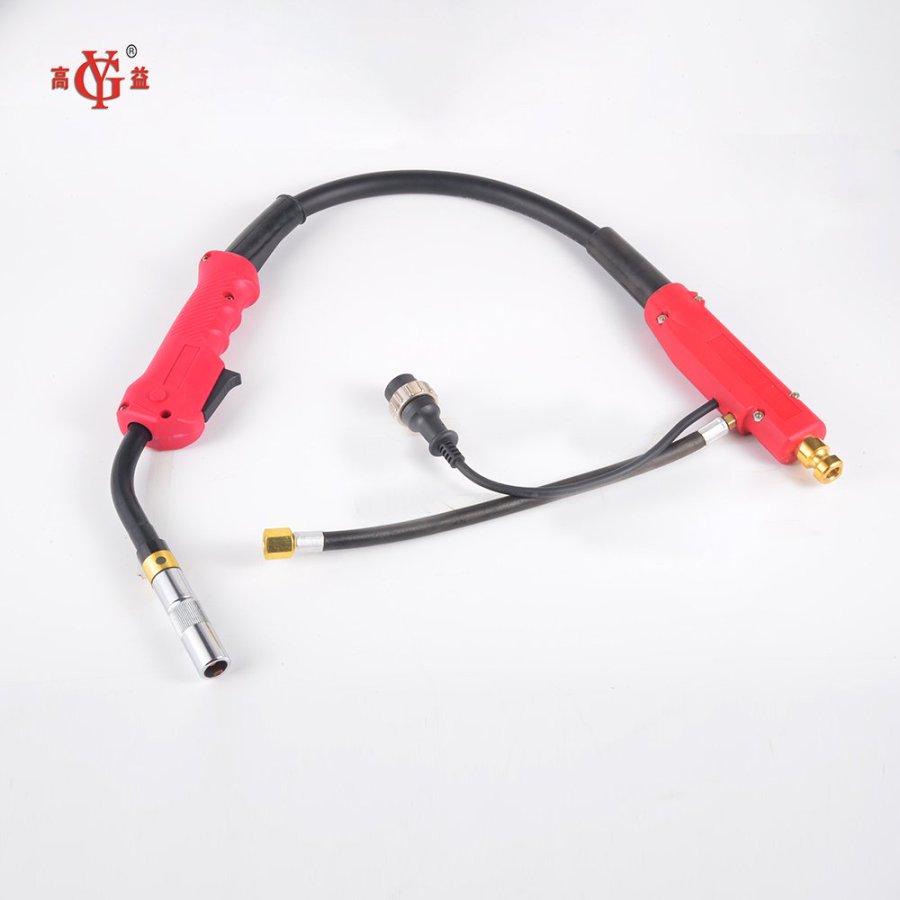
A MIG welding torch primarily consists of a nozzle, contact tip, and gas diffuser. The nozzle directs the shielding gas to protect the weld pool from contamination, while the contact tip conducts the welding current to the electrode wire. The gas diffuser plays a crucial role in ensuring an even distribution of gas around the weld area, which is vital for achieving strong welds. When selecting a MIG welding torch, consider factors such as the diameter of the wire you will use, the type of materials you will weld, and the specific welding processes you intend to employ.
One of the most significant advantages of using a MIG welding torch is its ability to provide a consistent feed of filler material. This is achieved through a wire feeder that continuously supplies the electrode wire to the weld pool. As the torch is maneuvered along the weld joint, the wire automatically feeds into the molten metal, creating a strong bond. It is essential to adjust the wire feed speed and voltage settings according to the material thickness and type to ensure optimal results.
Proper maintenance of MIG welding torches is crucial for their longevity and performance. Regularly inspect the contact tips for wear and replace them as needed to prevent arc instability. Clean the nozzle frequently to avoid blockages that can disrupt gas flow. Additionally, check the O-rings and seals for any signs of damage, as leaks can compromise the shielding gas supply, leading to oxidation and poor-quality welds.
When working with MIG welding torches, safety should always be a priority. Wearing appropriate personal protective equipment (PPE), such as welding helmets, gloves, and protective clothing, is essential to safeguard against sparks and harmful UV radiation. Moreover, ensure that the work area is well-ventilated to prevent the accumulation of harmful fumes.
In conclusion, a thorough understanding of MIG welding torches is indispensable for professionals in the welding industry. By familiarizing yourself with the torch's components, maintenance practices, and safety protocols, you can enhance your welding skills and produce high-quality results. Remember, investing time in mastering your tools will ultimately pay off in the quality of your work and your overall success in the welding field.
A MIG welding torch primarily consists of a nozzle, contact tip, and gas diffuser. The nozzle directs the shielding gas to protect the weld pool from contamination, while the contact tip conducts the welding current to the electrode wire. The gas diffuser plays a crucial role in ensuring an even distribution of gas around the weld area, which is vital for achieving strong welds. When selecting a MIG welding torch, consider factors such as the diameter of the wire you will use, the type of materials you will weld, and the specific welding processes you intend to employ.
One of the most significant advantages of using a MIG welding torch is its ability to provide a consistent feed of filler material. This is achieved through a wire feeder that continuously supplies the electrode wire to the weld pool. As the torch is maneuvered along the weld joint, the wire automatically feeds into the molten metal, creating a strong bond. It is essential to adjust the wire feed speed and voltage settings according to the material thickness and type to ensure optimal results.
Proper maintenance of MIG welding torches is crucial for their longevity and performance. Regularly inspect the contact tips for wear and replace them as needed to prevent arc instability. Clean the nozzle frequently to avoid blockages that can disrupt gas flow. Additionally, check the O-rings and seals for any signs of damage, as leaks can compromise the shielding gas supply, leading to oxidation and poor-quality welds.
When working with MIG welding torches, safety should always be a priority. Wearing appropriate personal protective equipment (PPE), such as welding helmets, gloves, and protective clothing, is essential to safeguard against sparks and harmful UV radiation. Moreover, ensure that the work area is well-ventilated to prevent the accumulation of harmful fumes.
In conclusion, a thorough understanding of MIG welding torches is indispensable for professionals in the welding industry. By familiarizing yourself with the torch's components, maintenance practices, and safety protocols, you can enhance your welding skills and produce high-quality results. Remember, investing time in mastering your tools will ultimately pay off in the quality of your work and your overall success in the welding field.
TAG:
Previous
Related Posts
Understanding the Essentials of MIG Welding Torches: A Comprehensive Guide
MIG (Metal Inert Gas) welding torches are vital tools in the welding industry, particularly for professionals involved in electrical and electronic applications. Understanding the functionality, components, and maintenance of these torches can significantly enhance welding quality and efficiency.
A MIG welding torch primarily consists of a nozzle, contact tip, and gas diffuser. The nozzle directs