
Understanding the TIG Welding Torch: A Comprehensive Guide for Efficient Welding
May 14,2026
TIG (Tungsten Inert Gas) welding is a widely recognized process known for its precision and versatility. At the heart of this method is the TIG welding torch, an essential tool that significantly influences the quality and efficiency of the weld. The torch is designed to deliver a concentrated arc that melts the base material and filler rod, allowing for intricate and clean welds.
One of the prima
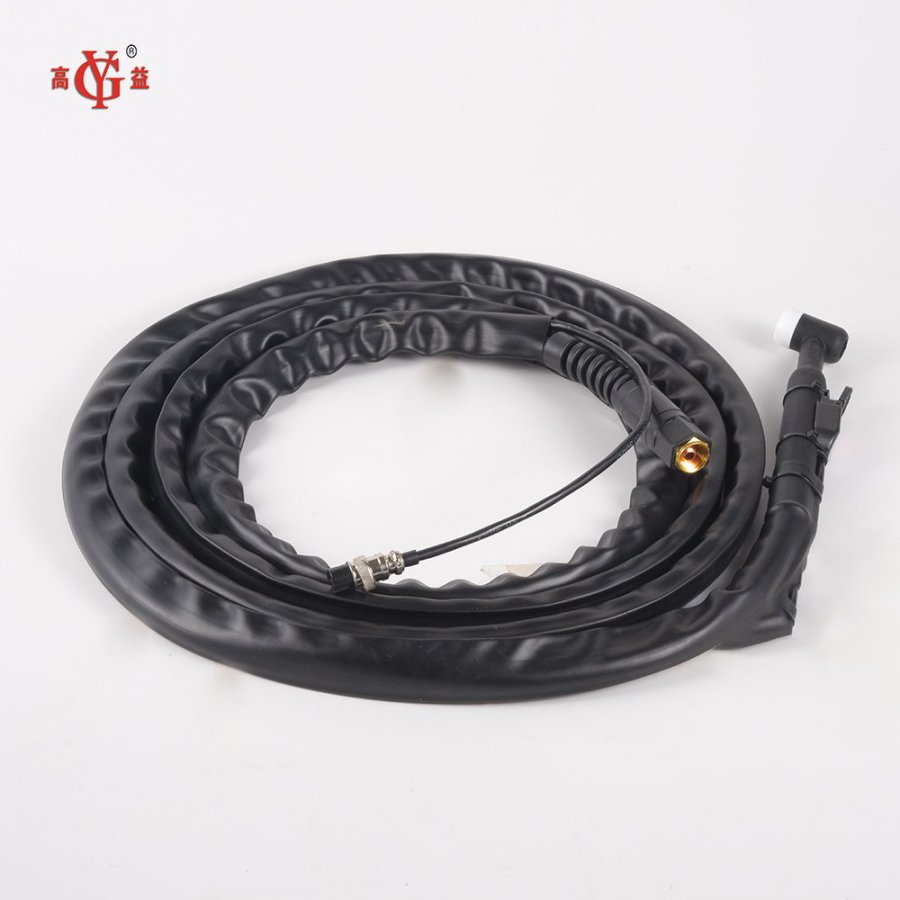
TIG (Tungsten Inert Gas) welding is a widely recognized process known for its precision and versatility. At the heart of this method is the TIG welding torch, an essential tool that significantly influences the quality and efficiency of the weld. The torch is designed to deliver a concentrated arc that melts the base material and filler rod, allowing for intricate and clean welds.
One of the primary components of a TIG welding torch is the tungsten electrode. This electrode is non-consumable and is responsible for producing the arc needed to melt the materials being joined. TIG welding torches are designed to accommodate various tungsten electrode sizes and types, which are selected based on the materials being welded and the thickness of the workpiece.
Another vital feature of the TIG welding torch is its gas delivery system, which protects the weld area from atmospheric contamination. Inert gases, typically argon or helium, are used to shield the molten weld pool. This shielding prevents oxidation and other reactions that could weaken the weld. Understanding the gas flow rate and how to adjust it based on your welding conditions is critical for achieving optimal results.
TIG welding torches come in various configurations, each designed for specific applications and user preferences. For instance, there are air-cooled and water-cooled torches. Air-cooled torches are lighter and easier to handle, making them suitable for light-duty applications. In contrast, water-cooled torches can manage higher heat levels and are ideal for heavy-duty welding tasks, particularly in industrial settings.
Ergonomics also play a significant role in the design of TIG welding torches. Many modern torches feature comfortable grips and adjustable angles, enabling welders to work in various positions without straining their hands or wrists. This consideration is particularly important for professionals who spend long hours welding.
In addition to the physical design, the choice of accessories is crucial for optimizing the performance of a TIG welding torch. Items such as collets, back caps, and nozzles should be selected based on the specific welding job. Each component can influence the heat distribution and the quality of the weld, so understanding how to choose and maintain these parts is essential for any welder.
In conclusion, the TIG welding torch is a fundamental tool that can greatly affect the quality and efficiency of your welding projects. By understanding its components, configurations, and the importance of proper gas shielding, welders can enhance their skills and achieve superior results. Whether you're working on intricate artistic projects or heavy-duty industrial applications, mastering the use of a TIG welding torch is essential for success in the welding field.
One of the primary components of a TIG welding torch is the tungsten electrode. This electrode is non-consumable and is responsible for producing the arc needed to melt the materials being joined. TIG welding torches are designed to accommodate various tungsten electrode sizes and types, which are selected based on the materials being welded and the thickness of the workpiece.
Another vital feature of the TIG welding torch is its gas delivery system, which protects the weld area from atmospheric contamination. Inert gases, typically argon or helium, are used to shield the molten weld pool. This shielding prevents oxidation and other reactions that could weaken the weld. Understanding the gas flow rate and how to adjust it based on your welding conditions is critical for achieving optimal results.
TIG welding torches come in various configurations, each designed for specific applications and user preferences. For instance, there are air-cooled and water-cooled torches. Air-cooled torches are lighter and easier to handle, making them suitable for light-duty applications. In contrast, water-cooled torches can manage higher heat levels and are ideal for heavy-duty welding tasks, particularly in industrial settings.
Ergonomics also play a significant role in the design of TIG welding torches. Many modern torches feature comfortable grips and adjustable angles, enabling welders to work in various positions without straining their hands or wrists. This consideration is particularly important for professionals who spend long hours welding.
In addition to the physical design, the choice of accessories is crucial for optimizing the performance of a TIG welding torch. Items such as collets, back caps, and nozzles should be selected based on the specific welding job. Each component can influence the heat distribution and the quality of the weld, so understanding how to choose and maintain these parts is essential for any welder.
In conclusion, the TIG welding torch is a fundamental tool that can greatly affect the quality and efficiency of your welding projects. By understanding its components, configurations, and the importance of proper gas shielding, welders can enhance their skills and achieve superior results. Whether you're working on intricate artistic projects or heavy-duty industrial applications, mastering the use of a TIG welding torch is essential for success in the welding field.
TAG:
Related Posts
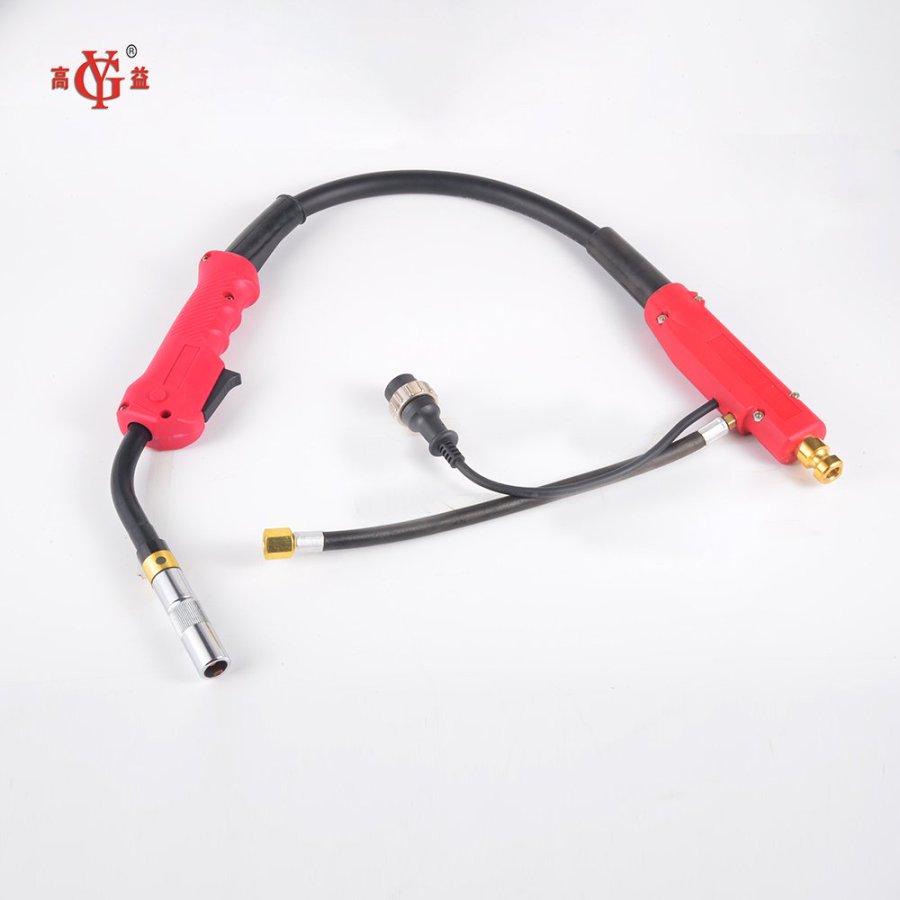
Understanding the Essentials of MIG Welding Torches: A Comprehensive Guide
MIG (Metal Inert Gas) welding torches are vital tools in the welding industry, particularly for professionals involved in electrical and electronic applications. Understanding the functionality, components, and maintenance of these torches can significantly enhance welding quality and efficiency.
A MIG welding torch primarily consists of a nozzle, contact tip, and gas diffuser. The nozzle directs