
MIG Contact Tip Plays a Key Role in Modern Welding Industry Development
May 14,2026

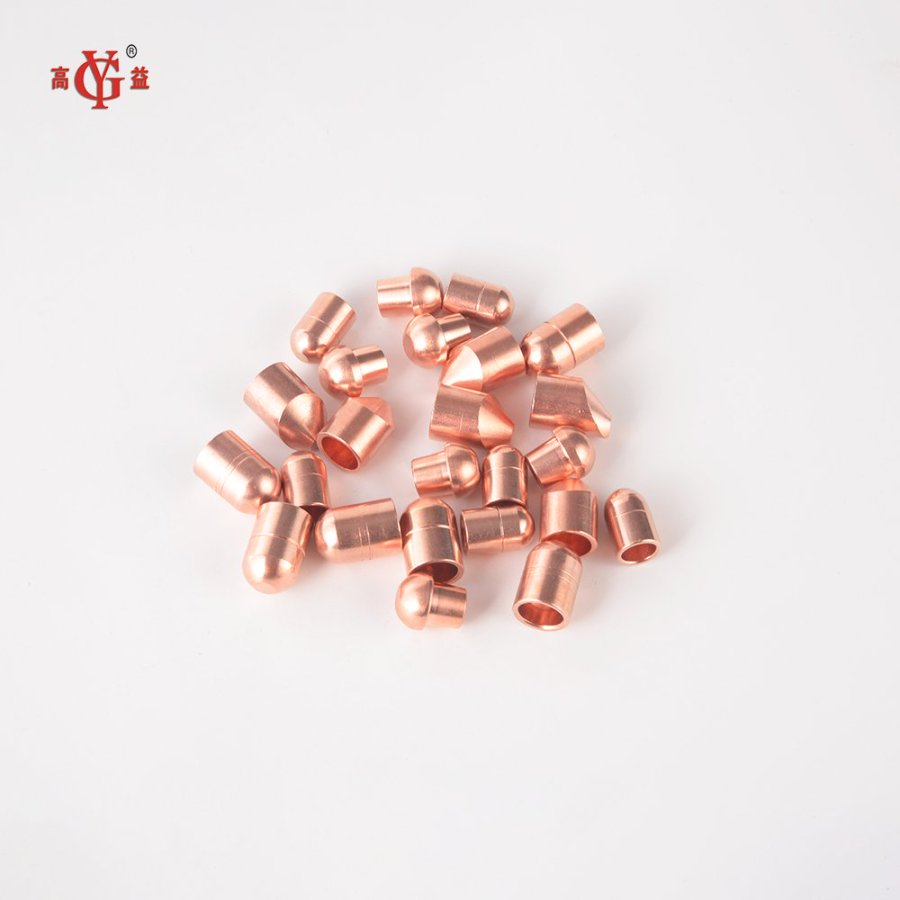
The MIG contact tip is becoming an increasingly important component in modern welding applications as industries continue to demand higher welding precision, efficiency, and reliability. As a critical part of MIG welding systems, the MIG contact tip is responsible for transferring electrical current to the welding wire while maintaining stable wire feeding during operation. Its performance directly affects welding quality, arc stability, and production efficiency across industries such as automotive manufacturing, construction, shipbuilding, heavy machinery, and metal fabrication.

With the rapid development of industrial manufacturing and automated welding systems, the demand for high-quality MIG contact tips continues to rise. Manufacturers are focusing on improving conductivity, heat resistance, wear resistance, and dimensional precision to meet increasingly demanding welding requirements. High-performance copper and copper alloy materials are commonly used to ensure excellent electrical transfer and long service life, even under high-temperature and continuous welding conditions.
Industry experts explain that the quality of a MIG contact tip significantly influences welding stability and overall equipment performance. Poor-quality contact tips may cause unstable arcs, excessive spatter, wire feeding issues, and reduced welding accuracy. In contrast, precision-engineered MIG contact tips help improve arc consistency, reduce downtime, and lower maintenance costs, making them essential for modern industrial production environments.
Advanced manufacturing technologies are also transforming the production of MIG contact tips. Many leading manufacturers now utilize CNC precision machining, automated quality inspection systems, and advanced material processing technologies to achieve tighter tolerances and more consistent product performance. Strict quality control procedures, including conductivity testing, hardness testing, and dimensional inspections, ensure that each MIG contact tip meets international industrial standards.
The increasing adoption of robotic welding systems has further expanded the market for high-performance MIG contact tips. Automated welding applications require highly stable components capable of maintaining consistent electrical contact during long production cycles. As a result, manufacturers are developing specialized contact tips with improved heat dissipation, anti-spatter coatings, and extended durability to support high-speed robotic welding operations.
Environmental sustainability and production efficiency are also becoming important trends in the welding consumables industry. Many manufacturers are optimizing material usage and adopting energy-efficient production methods to reduce waste and improve manufacturing sustainability. Recyclable copper materials and advanced machining technologies help improve resource efficiency while maintaining high product quality.
Global analysts predict that the market for MIG contact tips will continue growing as infrastructure development, industrial automation, and advanced manufacturing industries expand worldwide. OEM customers and international distributors are increasingly seeking customized welding components that meet different machine specifications and operational requirements. Customizable thread sizes, wire diameters, and coating options are becoming more popular in global markets.
As welding technology continues to evolve, the MIG contact tip will remain an essential component for achieving high-quality and efficient welding performance. Through ongoing innovation in materials, precision manufacturing, and industrial automation, the MIG contact tip industry is expected to support the future growth of modern welding and metal fabrication sectors worldwide.
Related Posts
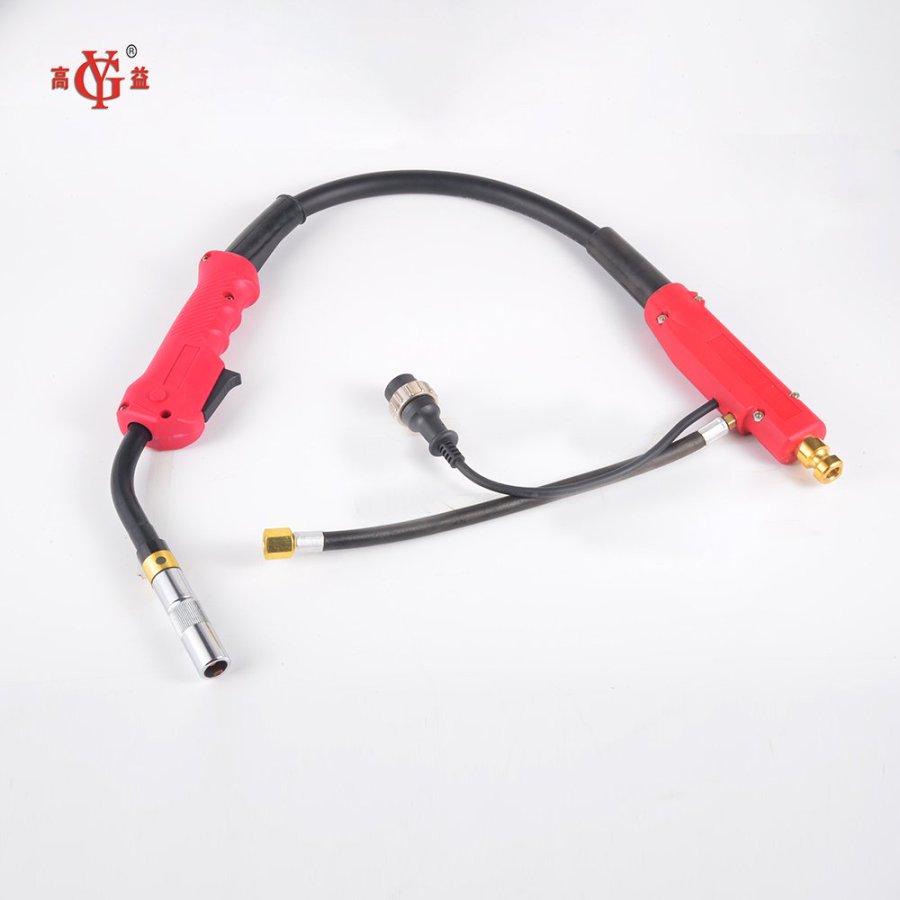
Understanding the Essentials of MIG Welding Torches: A Comprehensive Guide