
Understanding the Importance of Spot Welding Electrode Caps in Welding Applications
May 15,2026
Spot welding is a widely used technique in the manufacturing industry, particularly for joining metal sheets together. A critical component of this process is the spot welding electrode cap, which plays a pivotal role in ensuring high-quality welds. Understanding the function and significance of these electrode caps can enhance welding performance and longevity.
The primary purpose of a spot weldi
Spot welding is a widely used technique in the manufacturing industry, particularly for joining metal sheets together. A critical component of this process is the spot welding electrode cap, which plays a pivotal role in ensuring high-quality welds. Understanding the function and significance of these electrode caps can enhance welding performance and longevity.
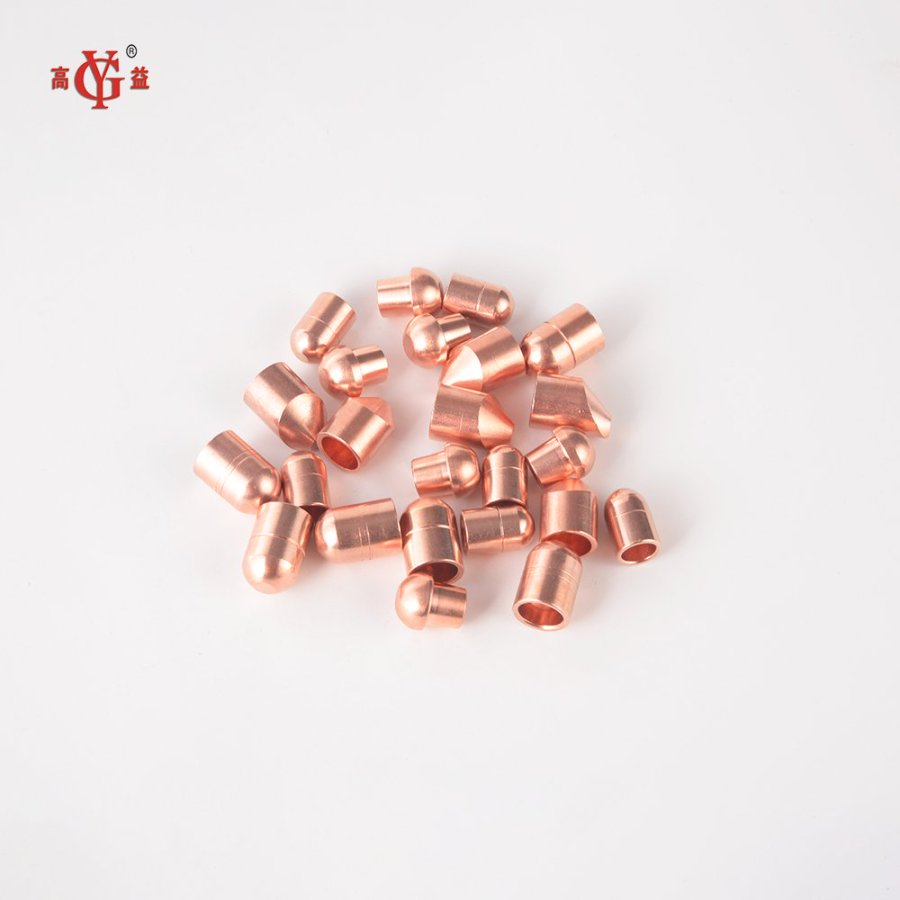
The primary purpose of a spot welding electrode cap is to concentrate the welding current and heat at the weld interface, providing the necessary energy to create a strong bond between the parent materials. Electrode caps are typically made from highly conductive materials, such as copper, due to its excellent electrical and thermal conductivity. This allows the cap to withstand the intense heat generated during the welding process and minimizes wear.
Over time, electrode caps can suffer from wear and tear due to the extreme conditions they are subjected to during welding. This can lead to a decrease in weld quality, increased cycle times, and potential production delays. Consequently, it is essential for professionals to monitor the condition of their electrode caps regularly and replace them when signs of deterioration become apparent.
When selecting spot welding electrode caps, it is crucial to consider the correct size and shape that suit your specific welding equipment and application. The design of the cap can significantly impact weld quality. For instance, caps with a larger surface area can distribute heat more evenly, leading to better welds. Additionally, different electrode cap geometries can be utilized to achieve specific welding results depending on the materials being joined.
Furthermore, maintaining proper cooling of the electrode caps is vital for ensuring consistent performance. Many modern welding systems incorporate water cooling mechanisms to help dissipate heat and prolong the life of the electrode cap. Proper cooling can not only enhance the durability of the caps but also improve the overall efficiency of the spot welding process.
In summary, the spot welding electrode cap serves as a crucial element in achieving strong, reliable welds. By understanding their functionality, material properties, and maintenance practices, professionals can ensure optimal performance in their welding operations. Regular monitoring and timely replacement of electrode caps will lead to improved welding quality and efficiency, ultimately contributing to the success of your electrical and welding projects. Emphasizing the importance of the electrode cap in spot welding can significantly influence the overall effectiveness of your production processes.
The primary purpose of a spot welding electrode cap is to concentrate the welding current and heat at the weld interface, providing the necessary energy to create a strong bond between the parent materials. Electrode caps are typically made from highly conductive materials, such as copper, due to its excellent electrical and thermal conductivity. This allows the cap to withstand the intense heat generated during the welding process and minimizes wear.
Over time, electrode caps can suffer from wear and tear due to the extreme conditions they are subjected to during welding. This can lead to a decrease in weld quality, increased cycle times, and potential production delays. Consequently, it is essential for professionals to monitor the condition of their electrode caps regularly and replace them when signs of deterioration become apparent.
When selecting spot welding electrode caps, it is crucial to consider the correct size and shape that suit your specific welding equipment and application. The design of the cap can significantly impact weld quality. For instance, caps with a larger surface area can distribute heat more evenly, leading to better welds. Additionally, different electrode cap geometries can be utilized to achieve specific welding results depending on the materials being joined.
Furthermore, maintaining proper cooling of the electrode caps is vital for ensuring consistent performance. Many modern welding systems incorporate water cooling mechanisms to help dissipate heat and prolong the life of the electrode cap. Proper cooling can not only enhance the durability of the caps but also improve the overall efficiency of the spot welding process.
In summary, the spot welding electrode cap serves as a crucial element in achieving strong, reliable welds. By understanding their functionality, material properties, and maintenance practices, professionals can ensure optimal performance in their welding operations. Regular monitoring and timely replacement of electrode caps will lead to improved welding quality and efficiency, ultimately contributing to the success of your electrical and welding projects. Emphasizing the importance of the electrode cap in spot welding can significantly influence the overall effectiveness of your production processes.
TAG:
Related Posts
Understanding the Essentials of MIG Welding Torches: A Comprehensive Guide
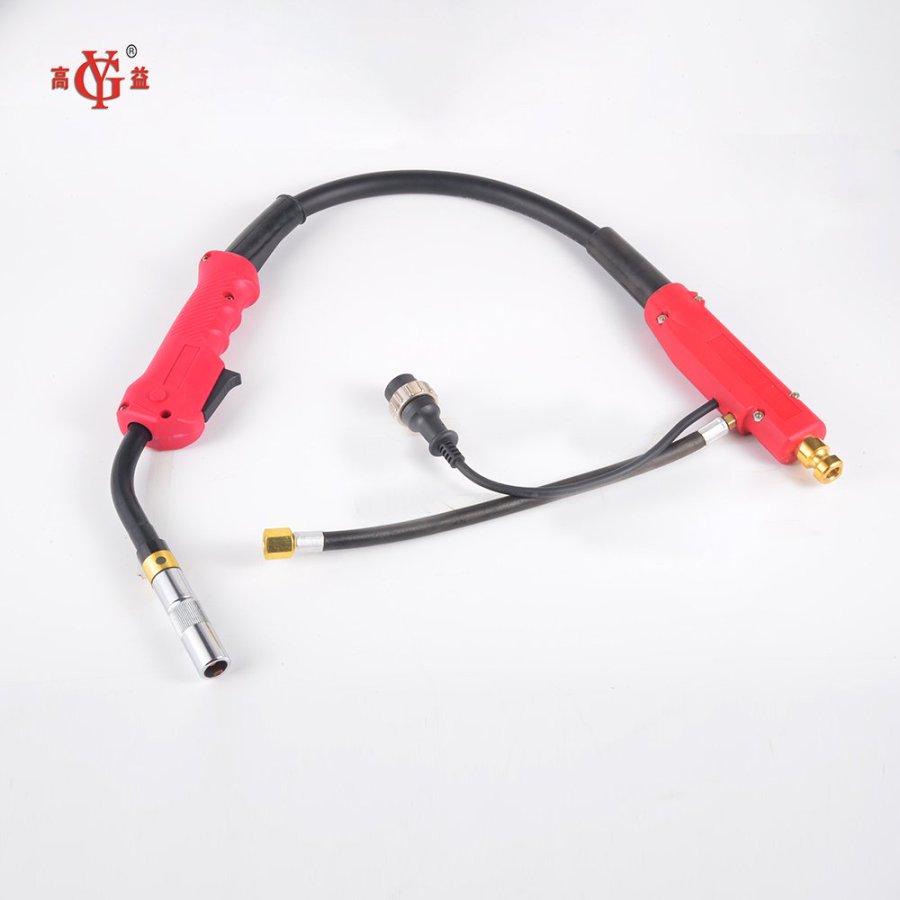
MIG (Metal Inert Gas) welding torches are vital tools in the welding industry, particularly for professionals involved in electrical and electronic applications. Understanding the functionality, components, and maintenance of these torches can significantly enhance welding quality and efficiency.
A MIG welding torch primarily consists of a nozzle, contact tip, and gas diffuser. The nozzle directs