
Innovative Designs in Welding Torch Nozzles: What You Need to Know
May 14,2026
Innovative Designs in Welding Torch Nozzles: What You Need to Know
Table of Contents
Understanding Welding Torch Nozzles
The Importance of Welding Torch Nozzle Design
Key Features of Modern Welding Torch Nozzles
Types of Welding Torch Nozzles
Innovative Materials Used in Welding Torch Nozzles
Recent Advancements in Nozzle Design
Choosing the Right Welding Torch Nozzle
Future Trend
Innovative Designs in Welding Torch Nozzles: What You Need to Know
Table of Contents
- Understanding Welding Torch Nozzles
- The Importance of Welding Torch Nozzle Design
- Key Features of Modern Welding Torch Nozzles
- Types of Welding Torch Nozzles
- Innovative Materials Used in Welding Torch Nozzles
- Recent Advancements in Nozzle Design
- Choosing the Right Welding Torch Nozzle
- Future Trends in Welding Torch Nozzle Design
- FAQs
- Conclusion
Understanding Welding Torch Nozzles
Welding torch nozzles play a crucial role in the welding process, directing the flow of gas and protecting the welding arc. These components are integral to various welding methods, including MIG, TIG, and Stick welding. A nozzle's design affects the quality of the weld, the speed of the operation, and the safety of the welder. Understanding the intricacies of nozzle design is essential for achieving superior welding results.
The Importance of Welding Torch Nozzle Design
The design of a welding torch nozzle can significantly influence the overall performance of the welding operation. A well-designed nozzle ensures proper shielding gas coverage, enhancing the weld's integrity and appearance. Additionally, the right design can lead to increased efficiency, reduced spatter, and lower operational costs.
Good nozzle design also contributes to safety by minimizing the risk of overheating. As welding techniques evolve, the demand for innovative designs that can accommodate various applications becomes paramount.
Key Features of Modern Welding Torch Nozzles
Modern welding torch nozzles incorporate several key features that enhance their functionality:
1. Ergonomic Design
Ergonomically designed nozzles reduce user fatigue and improve comfort during operation. This is crucial for welders who spend long hours on the job.
2. Adjustable Flow Rates
Adjustable flow rates allow for customization based on the specific welding application. This flexibility can lead to better control and improved outcomes.
3. Heat Resistance
Advanced materials provide better heat resistance, extending the nozzle's lifespan and maintaining performance under high-heat conditions.
4. Improved Gas Coverage
Innovative designs ensure optimal gas coverage over the weld area, preventing oxidation and contamination, which can compromise the weld's strength.
5. Quick Change Mechanisms
Quick-change mechanisms enable welders to switch nozzles swiftly, saving time and increasing productivity.
Types of Welding Torch Nozzles
There are several types of welding torch nozzles, each suited to different welding applications:
1. Gas Nozzles
Used primarily in gas welding, these nozzles are designed for use with acetylene and oxygen to produce a controlled flame.
2. MIG Nozzles
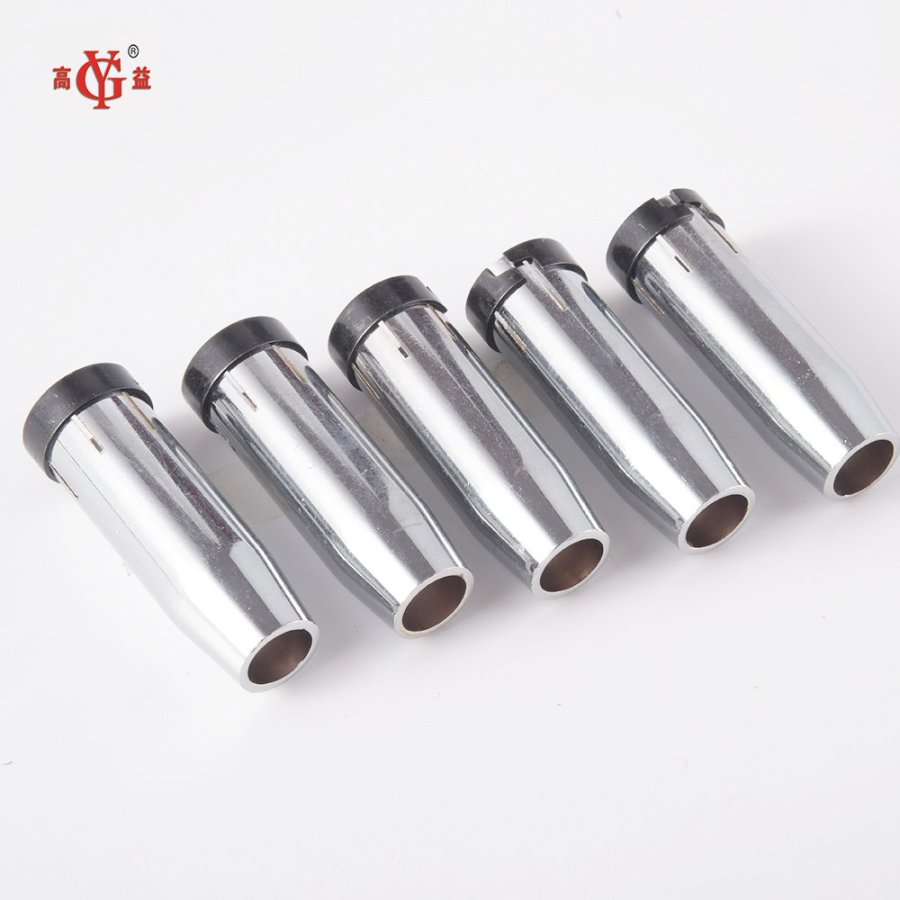
MIG welding nozzles are designed to direct shielding gas over the weld pool. They come in various sizes to accommodate different wire diameters.
3. TIG Nozzles
TIG welding nozzles are typically made from ceramic and provide excellent heat resistance. They are designed for precision welding applications.
4. Plasma Cutting Nozzles
These nozzles are engineered for plasma cutting processes, focusing the plasma arc for clean cuts in various materials.
Innovative Materials Used in Welding Torch Nozzles
The materials used in manufacturing welding torch nozzles have evolved significantly:
1. Copper Alloys
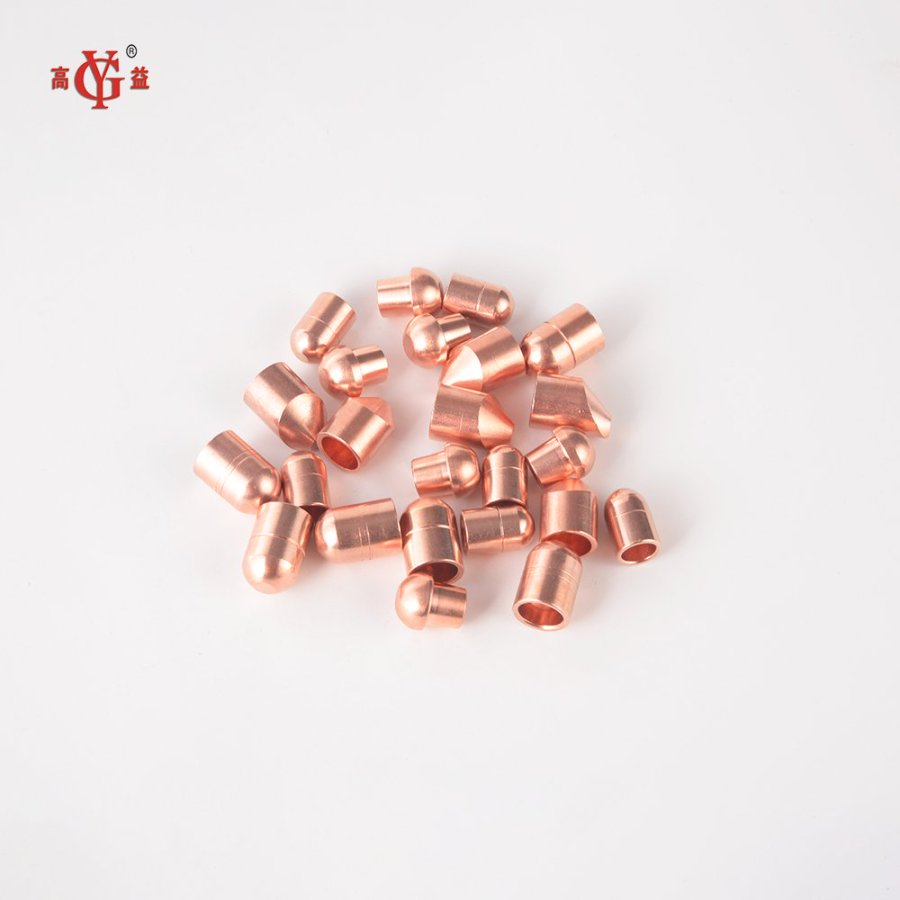
Copper alloys are commonly used for their excellent thermal conductivity and resistance to high temperatures.
2. Stainless Steel
Stainless steel nozzles provide enhanced corrosion resistance, making them suitable for various environmental conditions.
3. Ceramics
Ceramic materials are often used in TIG welding nozzles for their high-temperature resistance and durability.
4. Composite Materials
Some modern nozzles utilize composite materials which combine the strengths of different substances, resulting in improved performance and longevity.
Recent Advancements in Nozzle Design
Recent technological advancements have led to significant improvements in welding torch nozzle design:
1. Computational Fluid Dynamics (CFD)
CFD technology helps engineers design nozzles that optimize gas flow and coverage, enhancing weld quality while minimizing waste.
2. Additive Manufacturing
Additive manufacturing, or 3D printing, allows for the creation of complex nozzle shapes that were previously impossible to manufacture, leading to improved performance.
3. Nanotechnology
The application of nanotechnology in materials can enhance the thermal resistance and durability of welding nozzles, making them more efficient in extreme conditions.
Choosing the Right Welding Torch Nozzle
Selecting the appropriate welding torch nozzle is vital for achieving optimal results. Here are some considerations to keep in mind:
1. Application Type
Identify the type of welding process you will be using. Each process has specific requirements for nozzle design and functionality.
2. Material Thickness
Select a nozzle that suits the thickness of the material you are working with. Thicker materials may require larger nozzles for optimal gas flow.
3. Weld Position
Consider the position of the weld. Different nozzle designs may perform better in overhead or vertical welding applications.
4. Cost vs. Performance
While it may be tempting to choose a more affordable option, investing in high-quality nozzles can lead to better performance and lower costs in the long run.
Future Trends in Welding Torch Nozzle Design
The future of welding torch nozzle design is leaning toward greater efficiency and sustainability:
1. Smart Nozzles
The integration of smart technology into welding nozzles could allow for real-time monitoring and adjustments, improving the welding process.
2. Sustainable Materials
As the industry shifts towards sustainability, the use of recyclable and eco-friendly materials in nozzle production may become more prevalent.
3. Enhanced Compatibility
Future designs will likely prioritize compatibility with a wider range of welding machines and techniques, making them more versatile for users.
FAQs
1. What is the main function of a welding torch nozzle?
The primary function of a welding torch nozzle is to direct the flow of shielding gas over the weld area, protecting it from contamination and oxidation.
2. How do I choose the right nozzle for my welding project?
Consider the type of welding process, material thickness, weld position, and cost vs. performance when selecting a nozzle.
3. What materials are used in welding torch nozzles?
Common materials include copper alloys, stainless steel, ceramics, and composite materials, each offering unique benefits.
4. How has technology improved welding nozzle design?
Advancements such as computational fluid dynamics, additive manufacturing, and nanotechnology have led to more efficient and effective nozzle designs.
5. What are the benefits of using an ergonomic welding torch nozzle?
Ergonomic designs reduce user fatigue, improve comfort, and enhance control during the welding process, leading to better outcomes.
Conclusion
Innovative designs in welding torch nozzles have revolutionized the welding industry, offering enhanced performance, improved safety, and greater efficiency. Understanding the various types, materials, and advancements in nozzle design is crucial for welders looking to improve their craft. By choosing the right nozzle suited to specific applications, welders can achieve superior results while minimizing costs and maximizing productivity. As technology continues to evolve, the future of welding torch nozzles promises even more exciting developments, making it an essential area for professionals to stay informed about.
TAG:
Related Posts
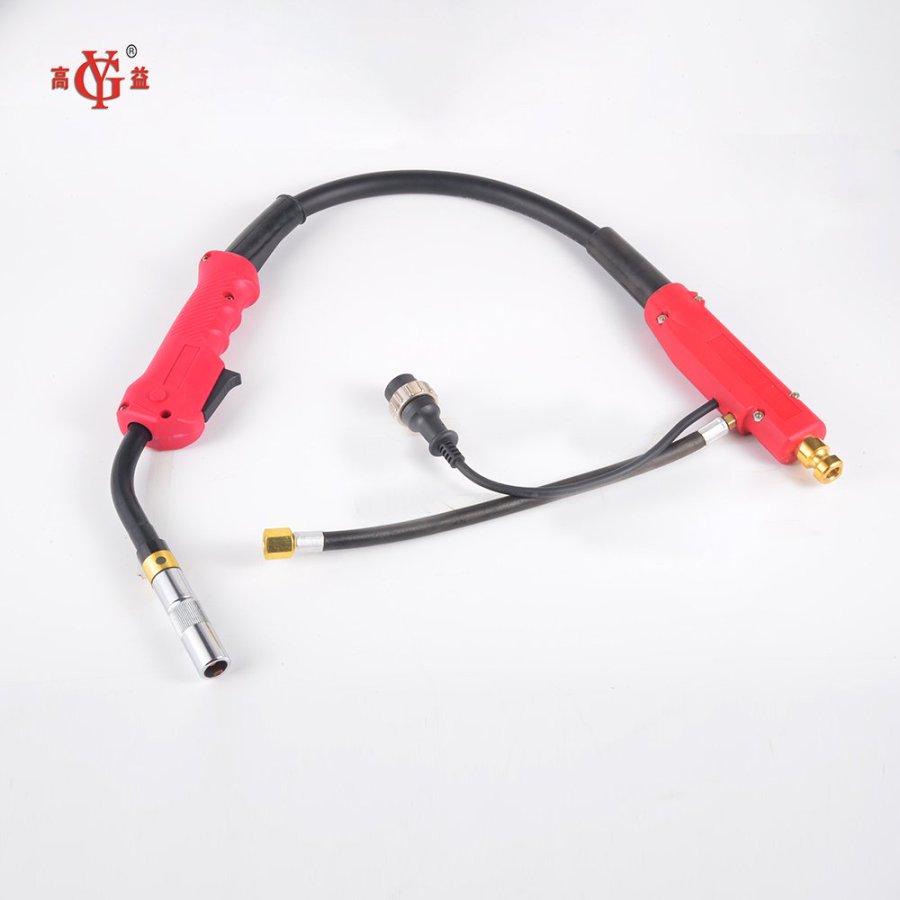
Understanding the Essentials of MIG Welding Torches: A Comprehensive Guide
MIG (Metal Inert Gas) welding torches are vital tools in the welding industry, particularly for professionals involved in electrical and electronic applications. Understanding the functionality, components, and maintenance of these torches can significantly enhance welding quality and efficiency.
A MIG welding torch primarily consists of a nozzle, contact tip, and gas diffuser. The nozzle directs