
Spot Welding Electrode Arm Safety: Best Practices to Follow for Maximum Efficiency and Safety
Aug 11,2026
Spot Welding Electrode Arm Safety: Best Practices to Follow for Maximum Efficiency and Safety
Table of Contents
1. Introduction to Spot Welding Electrode Arm Safety
2. Understanding Spot Welding and Its Importance
3. Common Safety Hazards in Spot Welding
4. Best Practices for Spot Welding Electrode Arm Safety
4.1 Personal Protective Equipment (PPE)
Spot Welding Electrode Arm Safety: Best Practices to Follow for Maximum Efficiency and Safety
Table of Contents
- 1. Introduction to Spot Welding Electrode Arm Safety
- 2. Understanding Spot Welding and Its Importance
- 3. Common Safety Hazards in Spot Welding
- 4. Best Practices for Spot Welding Electrode Arm Safety
- 4.1 Personal Protective Equipment (PPE)
- 4.2 Proper Equipment Maintenance
- 4.3 Training and Awareness Programs
- 5. Safety Checklist for Spot Welding Electrode Arms
- 6. Emergency Procedures in Spot Welding
- 7. Regulatory Compliance and Safety Standards
- 8. Conclusion
- 9. Frequently Asked Questions
1. Introduction to Spot Welding Electrode Arm Safety
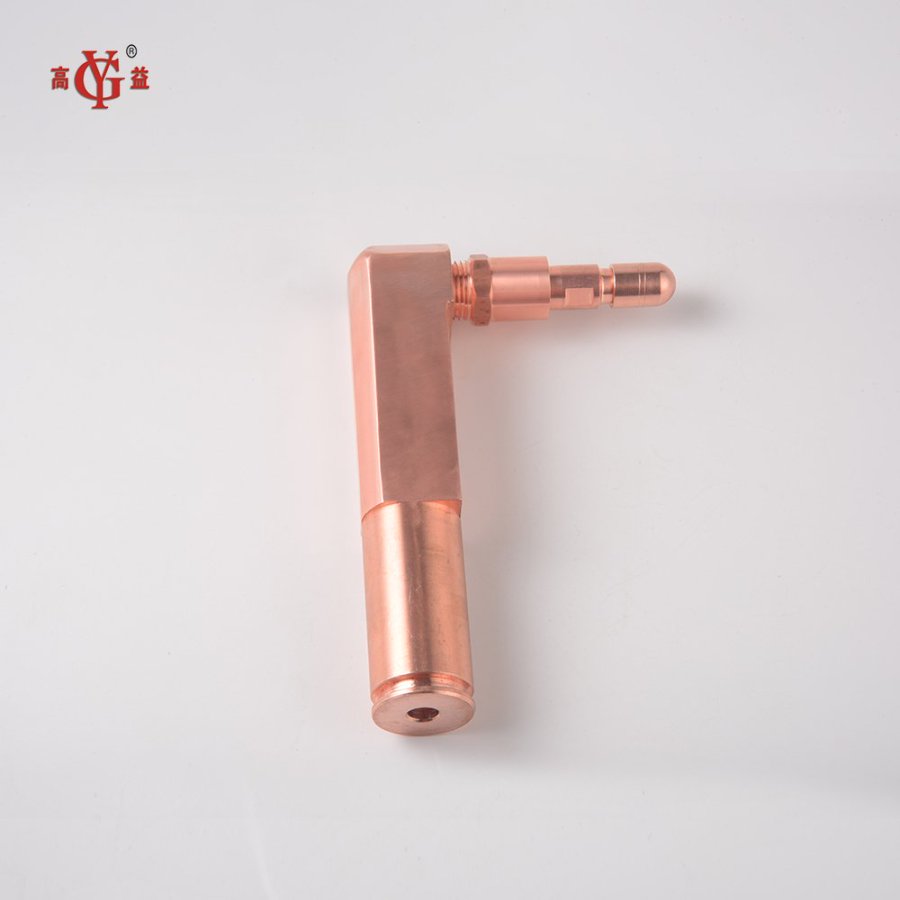
In the world of welding, **spot welding** is a crucial process that joins metal components by applying heat and pressure to small areas. While spot welding is efficient and effective, it comes with its own set of risks, particularly concerning the **electrode arm**. The electrode arm is the part of the welding machine that holds the electrodes in place and applies pressure to the materials being welded. Ensuring safety while using this equipment is paramount to preventing accidents and injuries in the workplace.
This article delves into the best practices for **spot welding electrode arm safety**, aiming to equip welders and safety officers with knowledge and strategies that enhance operational safety and efficiency.
2. Understanding Spot Welding and Its Importance
Spot welding is predominantly used in industries such as automotive manufacturing, construction, and appliance production. The process allows for quick and efficient joining of metals, making it a go-to method for mass production. Understanding the mechanics behind spot welding is essential for identifying potential safety risks associated with the equipment, particularly the electrode arms.
The importance of maintaining a safe working environment cannot be overstated. Every year, numerous accidents occur due to negligence and inadequate safety measures. By emphasizing safety protocols, organizations can minimize hazards and promote a culture of safety.
3. Common Safety Hazards in Spot Welding
Identifying common safety hazards is the first step toward establishing effective safety measures. Here are some prevalent risks associated with spot welding:
Electric Shock
Electric shock is a primary concern when working with any electrically powered equipment. Improper handling or equipment failure can lead to dangerous incidents.
Burns and Fire Hazards
The intense heat generated during the welding process can lead to severe burns if proper precautions are not taken. Additionally, flammable materials in the vicinity can ignite, posing further risks.
Injury from Moving Parts
The electrode arm operates with significant force and can cause injuries if it makes contact with workers. Awareness of the moving parts and maintaining a safe distance is crucial.
Noise Pollution
The spot welding process generates considerable noise, which can lead to hearing loss over time if adequate hearing protection is not used.
4. Best Practices for Spot Welding Electrode Arm Safety
To ensure safety and efficiency in the workplace, several best practices should be implemented.
4.1 Personal Protective Equipment (PPE)
Wearing the right **PPE** is essential in minimizing risks. Here are some recommended items:
- **Welding Helmets**: Protects the face and eyes from sparks and bright light.
- **Gloves**: Provides insulation from heat and protects against cuts.
- **Aprons**: Shields the body from sparks and molten metal.
- **Safety Shoes**: Offers protection against heavy objects and electrical hazards.
- **Ear Protection**: Helps mitigate the risks associated with noise exposure.
4.2 Proper Equipment Maintenance
Regular maintenance of the welding equipment ensures it operates safely and efficiently. Key maintenance tasks include:
- **Routine Inspections**: Check for wear and tear on the electrode arm and other components.
- **Cleaning**: Keep the equipment free from dust, grease, and other contaminants that could interfere with its operation.
- **Calibration**: Ensure the equipment is calibrated correctly for the specific welding tasks.
4.3 Training and Awareness Programs
Comprehensive training programs are vital for educating employees about safe practices. Elements to include in training sessions are:
- Understanding the equipment operation and safety features.
- Recognizing hazards and knowing how to mitigate them.
- Emergency procedures and first aid training.
5. Safety Checklist for Spot Welding Electrode Arms
Implementing a safety checklist can help maintain consistent safety standards in the workplace. Here’s a sample checklist:
- Ensure all PPE is worn and in good condition.
- Confirm the electrode arm is properly installed and functioning.
- Inspect the work area for hazards before starting.
- Verify that all safety guards are in place.
- Ensure the emergency stop is accessible.
- Keep a fire extinguisher nearby and fully charged.
6. Emergency Procedures in Spot Welding
In the event of an accident or emergency, it’s crucial to have established procedures in place. These should include:
- **Immediate Response**: Know how to respond to electrical shocks, burns, and injuries.
- **First Aid Kits**: Ensure kits are stocked and accessible.
- **Emergency Contacts**: Maintain a list of emergency contacts and procedures.
- **Regular Drills**: Conduct drills to ensure all employees are familiar with emergency protocols.
7. Regulatory Compliance and Safety Standards
Adhering to local and national safety regulations is critical for maintaining a safe workplace. Organizations should familiarize themselves with relevant standards, such as those set forth by OSHA (Occupational Safety and Health Administration) and ANSI (American National Standards Institute). Compliance not only enhances safety but also protects businesses from potential legal issues and liabilities.
8. Conclusion
Ensuring the safety of spot welding electrode arms is a multifaceted endeavor that requires attention to detail, proper training, and adherence to safety standards. By implementing the best practices outlined in this guide, organizations can significantly reduce the risk of accidents and injuries while promoting a culture of safety within the workplace. Investing in safety is not just a regulatory requirement; it is a commitment to the well-being of employees and overall operational efficiency.
9. Frequently Asked Questions
1. What is spot welding?
Spot welding is a process used to join two or more metal pieces together through the application of heat and pressure at specific points.
2. Why is safety important in spot welding?
Safety in spot welding is essential to prevent injuries, property damage, and ensure compliance with regulatory standards.
3. What type of PPE should be worn during spot welding?
Welders should wear helmets, gloves, aprons, safety shoes, and ear protection to safeguard against heat, sparks, and noise.
4. How can I ensure my welding equipment is safe to use?
Regular maintenance, inspections, and cleaning of equipment are vital in ensuring its safety and efficiency.
5. What should I do in case of an emergency during spot welding?
Immediately stop all operations, administer first aid if necessary, and contact emergency services as needed. Familiarize yourself with established emergency procedures.
By following the outlined guidelines and enhancing awareness, we can create a safer work environment that minimizes risks associated with spot welding while maximizing productivity and efficiency.
TAG:
Related Posts
Understanding Non-Inductive Welding Cables for Stable Arc Performance
In the realm of welding, maintaining a stable arc is crucial for achieving high-quality results. One of the key components that facilitate this is the use of non-inductive welding cables. These cables are designed to minimize inductance, which can lead to fluctuations in the arc, thereby ensuring a consistent and reliable performance.
Non-inductive welding cables typically feature a unique constru