
Maximizing Efficiency with Spot Welding Electrode Caps: A Comprehensive Guide
Aug 12,2026
Spot welding is a widely used technique in various manufacturing processes, particularly in the automotive and electronics industries. One crucial component of this process is the spot welding electrode cap. Understanding the function and significance of these caps can significantly improve your welding efficiency and the quality of your welds.
Spot welding electrode caps are designed to cover the

Spot welding is a widely used technique in various manufacturing processes, particularly in the automotive and electronics industries. One crucial component of this process is the spot welding electrode cap. Understanding the function and significance of these caps can significantly improve your welding efficiency and the quality of your welds.
Spot welding electrode caps are designed to cover the tips of the electrodes used in the welding process. Their primary role is to protect the electrode tips from wear and damage, which can occur due to the intense heat generated during welding. The caps help to ensure the electrodes maintain their shape and provide a consistent welding current, which is essential for producing strong and reliable welds.
When selecting spot welding electrode caps, several factors should be considered. Material selection is crucial, as different materials offer varying levels of conductivity, heat resistance, and durability. Common materials used for electrode caps include copper alloys and special composites designed to withstand high temperatures. The choice of material can impact the performance and lifespan of the electrode caps, so it's essential to choose based on the specific requirements of your welding applications.
Maintaining the electrode caps is equally important for ensuring optimal performance. Regular inspection for signs of wear or damage is recommended, as even minor imperfections can lead to inconsistent welds. Cleaning the caps to remove any built-up residue can also contribute to better conductivity and heat distribution, ultimately enhancing the quality of the welds.
In addition to maintenance, the proper installation of the electrode caps is vital. Ensure that they are securely fitted onto the electrodes to prevent slippage during the welding process. Loose caps can cause misalignment, resulting in poor-quality welds. Adjustments may be necessary to accommodate various electrode sizes or types, so always refer to your equipment specifications for guidance.
Moreover, understanding the welding parameters, such as current, pressure, and timing, can influence the performance of the electrode caps. By optimizing these parameters, you can extend the life of your caps and improve the overall efficiency of your welding operations.
In conclusion, spot welding electrode caps play a significant role in the welding process by protecting electrode tips and ensuring consistent performance. By choosing the right materials, maintaining the caps diligently, and optimizing welding parameters, professionals in the electrical and welding industries can enhance their operations and achieve superior results. Remember, the effectiveness of your welding projects often hinges on the quality and condition of the accessories you use, including the seemingly modest electrode cap.
TAG:
Related Posts
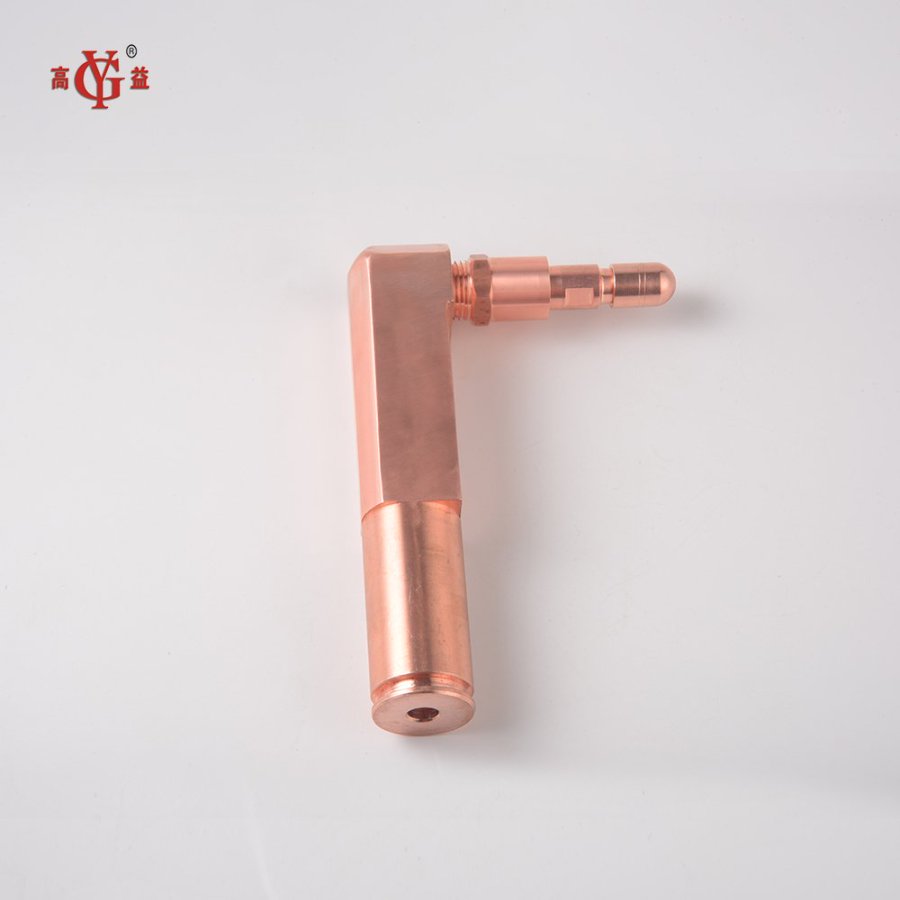
Advancements in Spot Welding Electrode Arm Technology: Shaping the Future of Welding
Advancements in Spot Welding Electrode Arm Technology
Table of Contents
1. Introduction to Spot Welding and its Importance
2. The Role of Electrode Arms in Spot Welding
3. Historical Perspective on Spot Welding Electrode Arm Technology
4. Recent Innovations in Electrode Arm Design
4.1 Ergonomic Designs for Enhanced Operator Comfort
4.2 Lightweight Materials for Increased Efficiency
5. The Impact o