
Understanding Non-Inductive Welding Cables for Stable Arc Performance
Nov 09,2026
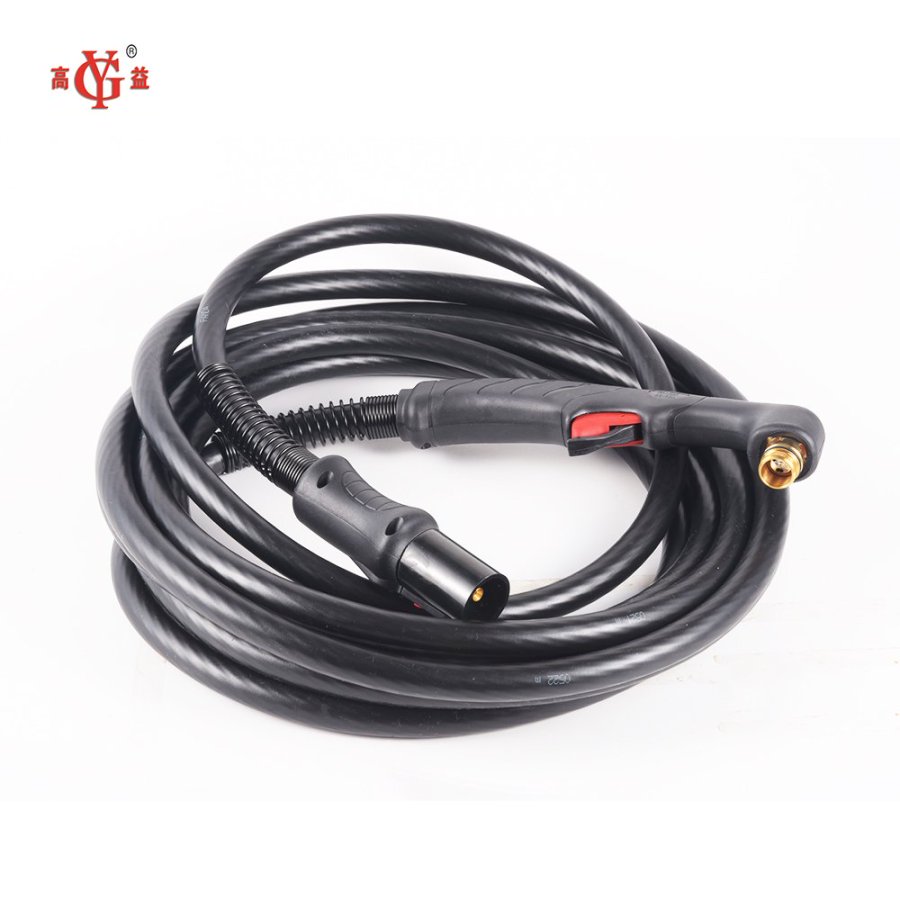
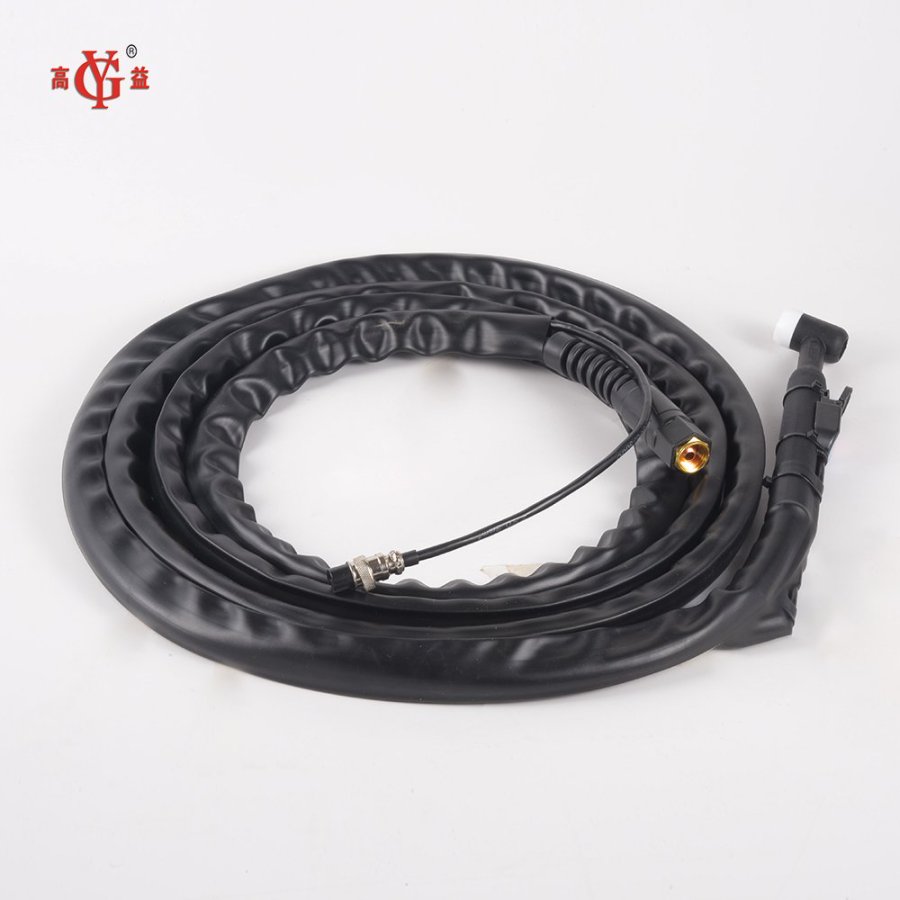
In the realm of welding, maintaining a stable arc is crucial for achieving high-quality results. One of the key components that facilitate this is the use of non-inductive welding cables. These cables are designed to minimize inductance, which can lead to fluctuations in the arc, thereby ensuring a consistent and reliable performance.
Non-inductive welding cables typically feature a unique constru
In the realm of welding, maintaining a stable arc is crucial for achieving high-quality results. One of the key components that facilitate this is the use of non-inductive welding cables. These cables are designed to minimize inductance, which can lead to fluctuations in the arc, thereby ensuring a consistent and reliable performance.
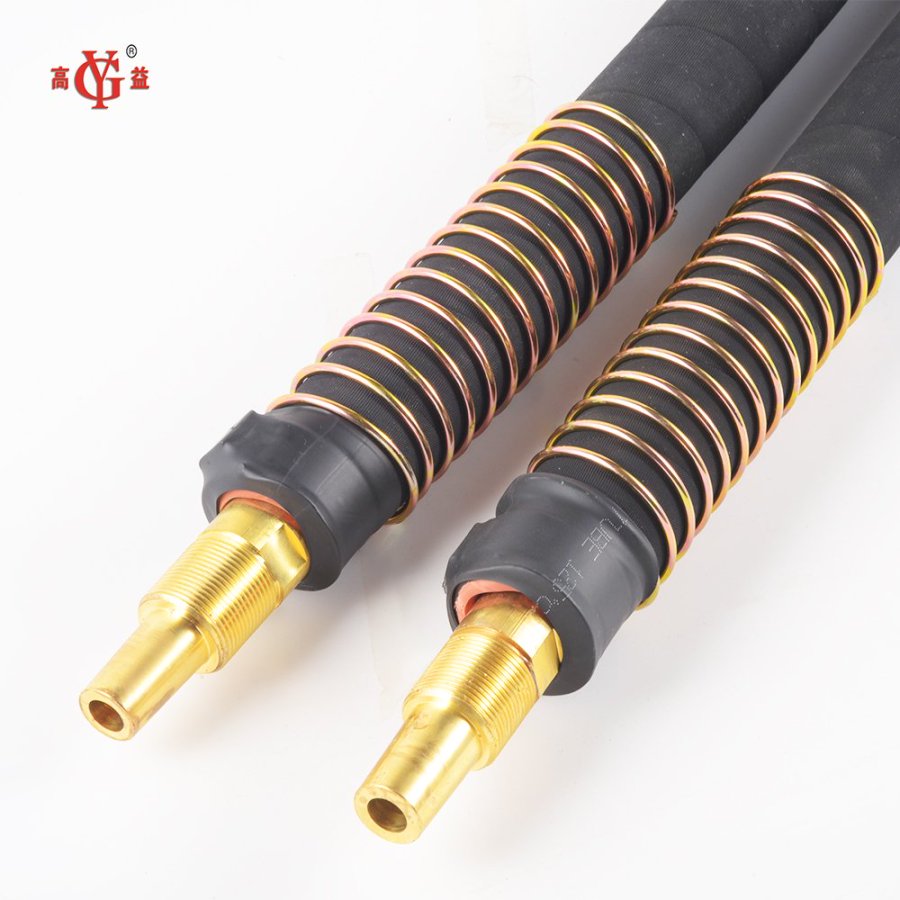
Non-inductive welding cables typically feature a unique construction that includes low capacitance and low inductance materials. This design allows for improved electrical conductivity and reduced energy loss. As a result, welders can experience a more stable arc, leading to better control over the welding process. This stability is particularly important when working on intricate projects or in environments where precision is paramount.
When selecting a non-inductive welding cable, it is essential to consider factors such as the cable's ampacity, voltage rating, and flexibility. These attributes directly influence the cable's performance and suitability for specific welding applications. A well-chosen welding cable can not only enhance the quality of the weld but also improve the efficiency of the overall operation, as it allows for a more uniform heat distribution.
Moreover, non-inductive welding cables are often constructed with durable materials that resist abrasion and environmental factors. This durability is critical in industrial settings where cables may be exposed to harsh conditions. The longevity of these cables translates to reduced downtime and lower replacement costs, ultimately benefiting the bottom line of any welding operation.
In addition to their practical benefits, non-inductive welding cables can contribute to safety in the workplace. By ensuring a more stable arc, the risk of arc flash incidents may be diminished. This aspect is particularly vital for professionals in the electric and cable industry, as safety should always be a top priority.
Finally, it is worth noting that while non-inductive welding cables have many advantages, proper handling and installation are crucial. Professionals should ensure that they are using the correct type of cable for their specific welding tasks and follow manufacturers’ guidelines to maximize the benefits.
In conclusion, non-inductive welding cables are an indispensable asset for ensuring stable arc performance in various welding applications. Their unique construction and properties not only enhance the quality of welds but also offer durability and safety benefits. By understanding the importance of these cables, professionals can make informed decisions that will lead to superior welding outcomes.
TAG:
Related Posts
Understanding Non-Inductive Welding Cables for Stable Arc Performance
In the realm of welding, maintaining a stable arc is crucial for achieving high-quality results. One of the key components that facilitate this is the use of non-inductive welding cables. These cables are designed to minimize inductance, which can lead to fluctuations in the arc, thereby ensuring a consistent and reliable performance.
Non-inductive welding cables typically feature a unique constru