
Understanding Non-Inductive Welding Cables for Stable Arc Performance
Aug 10,2026
When it comes to welding applications, the choice of cables is crucial for achieving optimal performance and efficiency. Non-inductive welding cables are engineered specifically to provide stable arc characteristics, which are vital in ensuring high-quality welds. Unlike traditional inductive cables, non-inductive options minimize the inductive reactance that can lead to fluctuations in arc stabil

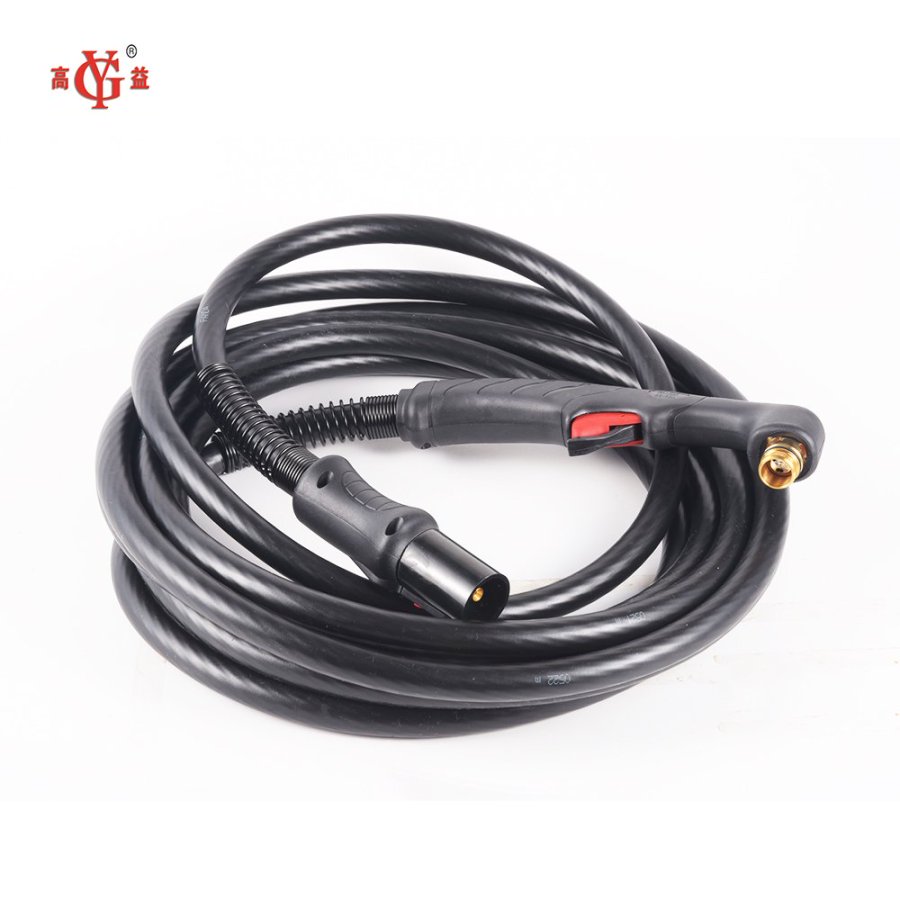
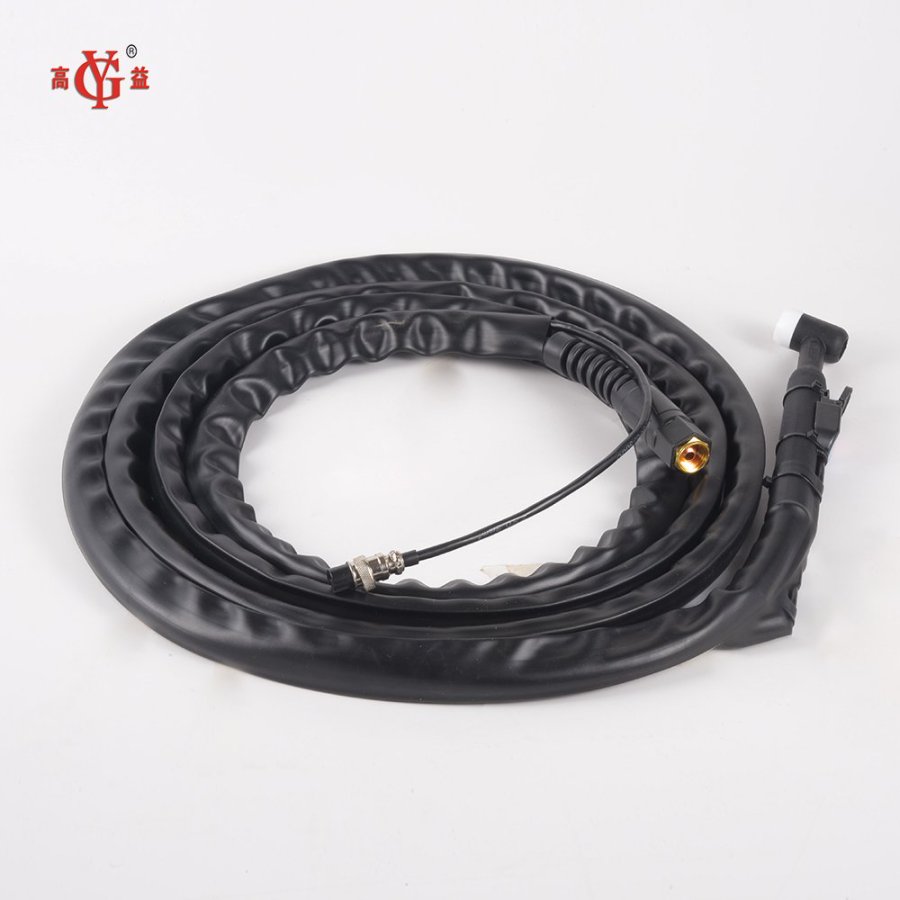
When it comes to welding applications, the choice of cables is crucial for achieving optimal performance and efficiency. Non-inductive welding cables are engineered specifically to provide stable arc characteristics, which are vital in ensuring high-quality welds. Unlike traditional inductive cables, non-inductive options minimize the inductive reactance that can lead to fluctuations in arc stability. This article delves into the technical aspects of non-inductive welding cables and why they are essential for professionals in the electrical and wiring sectors.
One of the primary benefits of using non-inductive welding cables is their superior ability to maintain a consistent electrical current. This stability is particularly important in applications where precision is essential, such as in the welding of thin materials or when working with intricate designs. The reduced inductance in these cables means that the arc remains stable, even during rapid changes in welding speed or direction. This leads to better control, reduced spatter, and ultimately, higher-quality welds.
Furthermore, non-inductive welding cables are typically constructed with high-quality conductors and insulation materials. The conductors are often made from copper or aluminum, providing excellent conductivity while minimizing heat generation during operation. The insulation is designed to withstand harsh conditions, including exposure to high temperatures and various environmental factors. This durability ensures that these cables can operate reliably in demanding settings, making them ideal for industrial and commercial welding applications.
Another technical consideration is the flexibility of non-inductive welding cables. Many of these cables are designed to be highly flexible, allowing for ease of handling and maneuverability in tight spaces. This is particularly beneficial for welders who need to navigate around obstacles or work in confined areas, as it minimizes the risk of kinking or damaging the cable during use.
When selecting non-inductive welding cables, it is essential to consider factors such as the cable's voltage rating, current-carrying capacity, and diameter. These specifications will determine the cable's suitability for your specific welding application, ensuring that it meets both safety standards and performance requirements.
In conclusion, non-inductive welding cables play a critical role in achieving stable arc performance in welding applications. Their ability to maintain consistent electrical flow, combined with robust construction and flexibility, makes them a preferred choice for professionals in the electrical and wiring industry. By understanding the technical advantages of these cables, welders can make informed decisions that enhance their performance and output quality.
TAG:
Related Posts
How a Handheld Tip Dresser Can Significantly Enhance Your Welding Quality
How a Handheld Tip Dresser Can Significantly Enhance Your Welding Quality
In the world of welding, achieving optimal results is critical for both industrial applications and DIY projects. One of the most effective tools in a welder's arsenal is the handheld tip dresser. This often-overlooked device plays a crucial role in maintaining and improving the quality of welding operations. In this article