
The Art of TIG Welding: Mastering Your Torch for Perfect Results
Oct 18,2026
The Art of TIG Welding: Mastering Your Torch for Perfect Results
TIG (Tungsten Inert Gas) welding is a sophisticated process that requires a deep understanding of technique, equipment, and material behavior. In this extensive guide, we will explore the nuances of mastering your TIG torch, focusing on achieving perfect results in your welding projects.
Table of Contents
1. Introduction to TIG Weldi
The Art of TIG Welding: Mastering Your Torch for Perfect Results
TIG (Tungsten Inert Gas) welding is a sophisticated process that requires a deep understanding of technique, equipment, and material behavior. In this extensive guide, we will explore the nuances of mastering your TIG torch, focusing on achieving perfect results in your welding projects.
Table of Contents
1. Introduction to TIG Welding
2. Understanding the TIG Welding Torch
2.1 Components of a TIG Torch
2.2 Types of TIG Torches
3. Essential Equipment for Successful TIG Welding
3.1 Choosing the Right TIG Welder
3.2 Importance of Tungsten Electrodes
4. Techniques for Mastering Your Torch
4.1 Setting Up Your TIG Torch
4.2 Adjusting Gas Flow for Optimal Results
5. Common Challenges in TIG Welding and How to Overcome Them
5.1 Controlling Heat Input
5.2 Managing Contamination
6. Tips for Achieving Perfect Welds
7. Maintenance of TIG Welding Equipment
8. Frequently Asked Questions (FAQs)
9. Conclusion
1. Introduction to TIG Welding
TIG welding stands out among various welding techniques for its precision and versatility. Known for producing high-quality welds, this method is widely used in industries ranging from aerospace to automotive. It utilizes a non-consumable tungsten electrode to create an arc between the electrode and the workpiece, while an inert gas, typically argon, protects the weld pool from contamination.
Understanding the fundamentals of TIG welding not only helps in achieving better results but also aids in the overall appreciation of the craft. This guide aims to provide a deep dive into mastering your TIG torch, ensuring you can produce impeccable welds with confidence.
2. Understanding the TIG Welding Torch
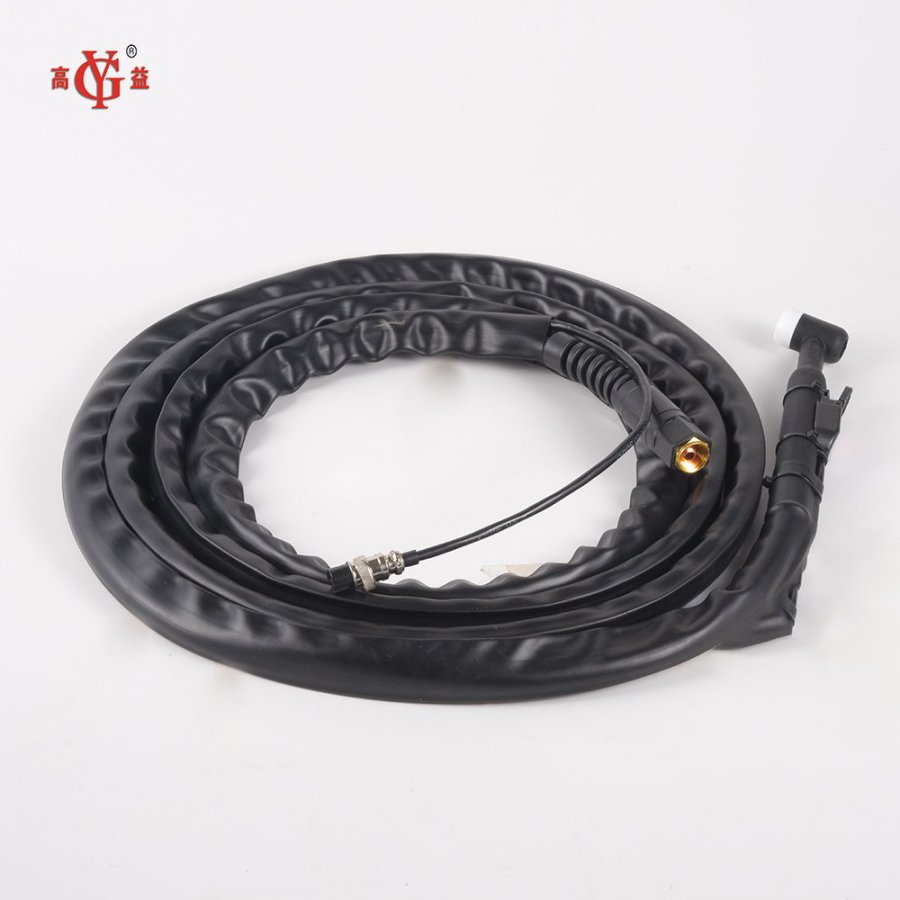
The torch is the heart of the TIG welding process. Understanding its components and how they function is essential for any welder looking to improve their skills.
2.1 Components of a TIG Torch
A typical TIG torch comprises several critical components that work together to facilitate the welding process:
- **Tungsten Electrode**: This non-consumable electrode is responsible for generating the arc. It is available in various diameters and materials, each suited for different applications.
- **Nozzle**: The nozzle directs the shielding gas to protect the weld area, preventing oxidation and contamination.
- **Collet and Collet Body**: These components hold the tungsten electrode in place and must be matched to the electrode size for effective operation.
- **Gas Valve**: Controls the flow of shielding gas; a critical component for ensuring adequate protection.
Each component plays a vital role in the performance of the torch, and understanding their functions will greatly enhance your welding efficiency.
2.2 Types of TIG Torches
There are two primary types of TIG torches: air-cooled and water-cooled.
- **Air-Cooled Torches**: These are suitable for lighter welding tasks and are easier to handle due to their lightweight design. However, they can overheat during prolonged use.
- **Water-Cooled Torches**: Designed for heavy-duty applications, these torches utilize water to cool the welding area, allowing for extended use without overheating.
Choosing the right type of torch based on your welding needs is crucial for achieving optimal results.
3. Essential Equipment for Successful TIG Welding
In addition to the TIG torch, several other pieces of equipment are essential for successful welding.
3.1 Choosing the Right TIG Welder
Selecting the appropriate TIG welder involves considering factors such as power output, duty cycle, and additional features like pulse welding capabilities. An inverter-based welder is recommended for its portability and efficiency, allowing for flexibility in various welding environments.
3.2 Importance of Tungsten Electrodes
The choice of tungsten electrode significantly influences the quality of your welds. Different materials, including pure tungsten, thoriated, and ceriated tungsten, each offer distinct characteristics. For example, thoriated tungsten allows for a stable arc and is ideal for welding stainless steel, while ceriated tungsten is excellent for aluminum.
Understanding the properties of various tungsten electrodes ensures that you can select the best option for your specific welding application.
4. Techniques for Mastering Your Torch
Mastering your TIG torch involves refining your techniques through practice and understanding the mechanics at play.
4.1 Setting Up Your TIG Torch
Before you begin welding, it’s essential to set up your TIG torch correctly. This includes:
- **Selecting the Right Electrode**: Match the electrode size and type to your project material.
- **Adjusting the Nozzle Size**: Choose a nozzle size that allows sufficient gas coverage without obstructing your view of the weld pool.
- **Ensuring Proper Gas Flow**: Set the gas flow rate according to the material thickness and type.
Taking these steps will help ensure a smoother welding experience.
4.2 Adjusting Gas Flow for Optimal Results
A common mistake among novice welders is improper gas flow. Too little flow can lead to contamination, while excessive flow can cause turbulence in the weld pool. Finding the right balance is essential for achieving clean, strong welds. It is generally recommended to set the gas flow rate between 15-20 CFH (cubic feet per hour) for most welding applications.
5. Common Challenges in TIG Welding and How to Overcome Them
TIG welding, while rewarding, presents several challenges that can hinder the quality of your work.
5.1 Controlling Heat Input
One of the most critical factors in TIG welding is managing heat input. Too much heat can cause warping or burn-through, while too little can result in weak welds. Techniques such as adjusting travel speed, amperage, and using proper filler material can help maintain the ideal heat for your specific application.
5.2 Managing Contamination
Contamination can occur from various sources, including dirty materials, improper gas flow, or even oils and grease on the workpiece. To mitigate these risks, ensure your work area is clean and that materials are properly prepped before welding.
6. Tips for Achieving Perfect Welds
Here are some essential tips that can enhance your TIG welding results:
- **Practice Control**: Develop a steady hand to maintain consistent travel speed and torch angle.
- **Use the Right Filler Material**: Match the filler rod to the base material to prevent compatibility issues.
- **Experiment with Techniques**: Try different techniques such as push or pull welding to find what works best for you.
Consistent practice will lead to improved muscle memory and better control over your torch.
7. Maintenance of TIG Welding Equipment
Proper maintenance of your TIG welding equipment is vital for longevity and performance. Regularly inspect your torch and components for wear and tear, clean the tungsten electrode after use, and ensure that the gas supply is free from leaks.
Investing time in maintaining your equipment will ultimately save you time and money in the long run.
8. Frequently Asked Questions (FAQs)
Q1: What type of materials can I weld using TIG welding?
A1: TIG welding is versatile and can be used on a wide range of materials, including stainless steel, aluminum, copper, and even exotic metals like titanium.
Q2: How do I choose the correct tungsten electrode?
A2: The choice depends on the material being welded. For stainless steel, thoriated tungsten is ideal, while ceriated tungsten is better suited for aluminum.
Q3: What shielding gas do I need for TIG welding?
A3: Argon is the most commonly used shielding gas for TIG welding due to its effectiveness in protecting the weld from contamination.
Q4: Can I use TIG welding on thicker materials?
A4: Yes, while TIG welding is often used for thinner materials, it can also be applied to thicker pieces by increasing the heat input and using a larger tungsten electrode.
Q5: How can I prevent tungsten contamination in my welds?
A5: Maintaining a clean work area, using the correct gas flow rate, and ensuring your tungsten is free from contaminants will help prevent issues.
9. Conclusion
Mastering your TIG welding torch is essential for achieving perfect results in your welding projects. By understanding the components of the torch, selecting the right equipment, and honing your techniques, you can elevate your skills to new heights. Consistent practice, proper maintenance, and a commitment to learning will ultimately lead to flawless welds and a deep appreciation for this intricate craft. Whether you are a beginner or a seasoned professional, the art of TIG welding offers endless opportunities for creativity and precision.
TAG:
Related Posts
The Art of TIG Welding: Mastering Your Torch for Perfect Results
The Art of TIG Welding: Mastering Your Torch for Perfect Results
TIG (Tungsten Inert Gas) welding is a sophisticated process that requires a deep understanding of technique, equipment, and material behavior. In this extensive guide, we will explore the nuances of mastering your TIG torch, focusing on achieving perfect results in your welding projects.
Table of Contents
1. Introduction to TIG Weldi