
Ultimate Guide to MIG Welding Torches: Choosing the Right Tool for Your Welding Needs
Jul 19,2026
MIG welding, or Metal Inert Gas welding, is a widely used technique in various industries due to its efficiency and versatility. The MIG welding torch is a critical component of this process, acting as the conduit through which the electrode wire is fed and the shielding gas is delivered. Understanding the intricacies of MIG welding torches can significantly enhance your welding experience and out
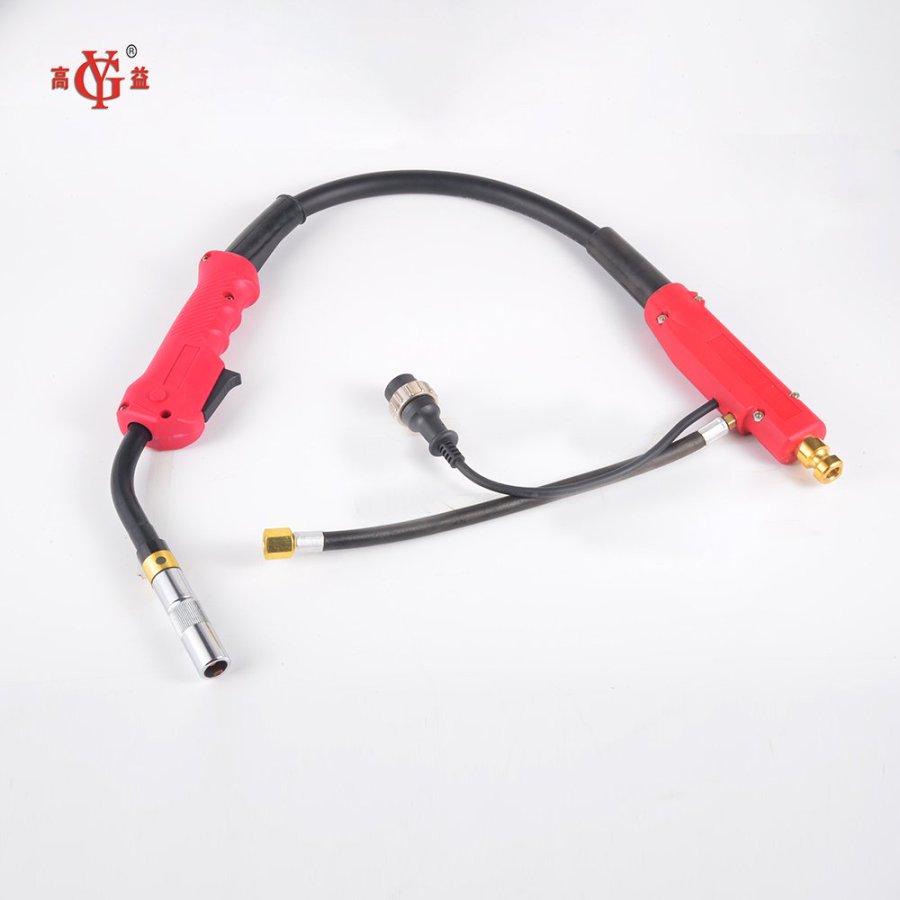
MIG welding, or Metal Inert Gas welding, is a widely used technique in various industries due to its efficiency and versatility. The MIG welding torch is a critical component of this process, acting as the conduit through which the electrode wire is fed and the shielding gas is delivered. Understanding the intricacies of MIG welding torches can significantly enhance your welding experience and output quality.
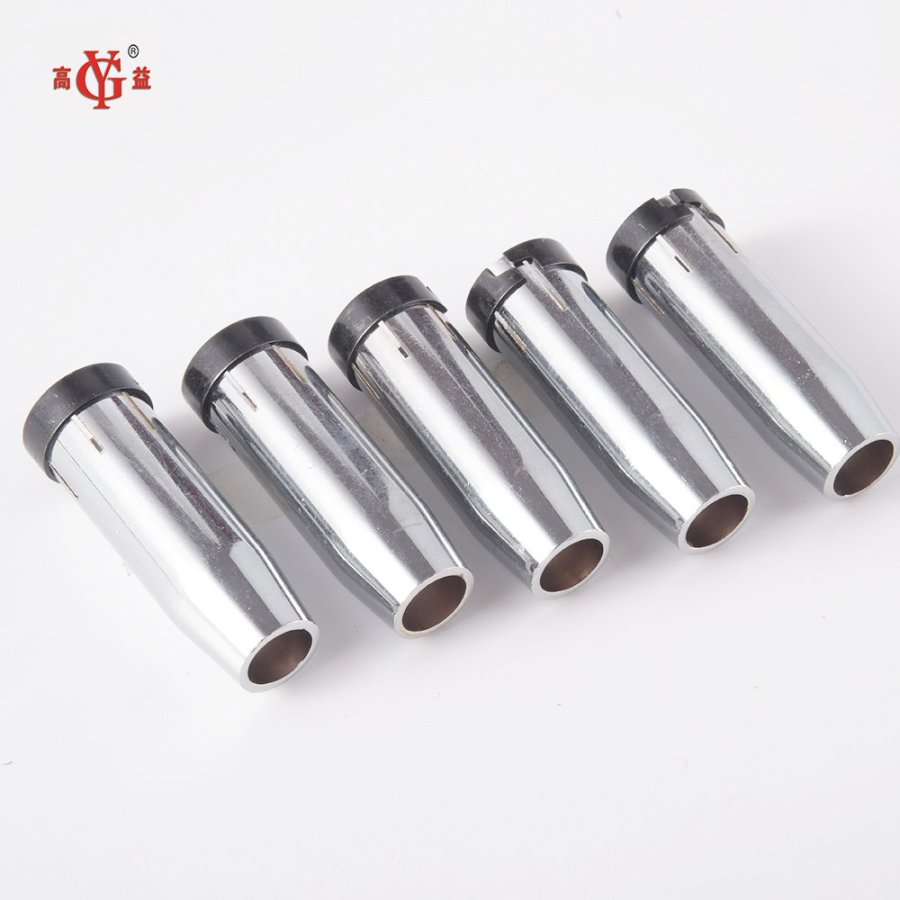
First and foremost, it's important to understand the main components of a MIG welding torch. Typically, a torch consists of a nozzle, gas diffuser, contact tip, and a trigger mechanism. The nozzle protects the weld pool from contamination by the atmosphere, while the gas diffuser ensures even gas flow. The contact tip is where the welding wire is fed and melted, ultimately forming the weld. A good torch design will ensure a reliable electrical connection, which is crucial for achieving high-quality welds.
When selecting a MIG welding torch, consider the amperage rating and the type of welding wire you will be using. Different torches are designed to handle varying levels of heat and can accommodate different wire sizes. For instance, a torch rated for higher amperage will be better suited for thicker materials, while a lower-rated torch is ideal for lighter applications. Always match the torch specifications with your project's requirements to ensure optimal performance.
Moreover, the ergonomic design of the torch is another vital consideration. A comfortable grip and lightweight construction can greatly reduce fatigue during prolonged welding sessions. Additionally, some torches come with extra features such as a rotatable neck, which can improve accessibility in tight spaces, allowing for easier maneuverability and better control over the weld.
Maintenance is key to ensuring the longevity and efficiency of your MIG welding torch. Regularly inspect the nozzle and contact tip for wear and replace them as needed to maintain a clean and efficient weld. Additionally, it’s advisable to keep the torch clean from spatter and other contaminants. A buildup of debris can lead to poor gas flow and affect the quality of your welds.
In conclusion, understanding the components, selection criteria, and proper maintenance of MIG welding torches is essential for anyone involved in welding work. By choosing the right torch and taking care of it, you can enhance your welding capabilities and achieve high-quality results consistently. Whether you're a seasoned welder or just starting, investing time in learning about MIG welding torches will pay off in your projects.
First and foremost, it's important to understand the main components of a MIG welding torch. Typically, a torch consists of a nozzle, gas diffuser, contact tip, and a trigger mechanism. The nozzle protects the weld pool from contamination by the atmosphere, while the gas diffuser ensures even gas flow. The contact tip is where the welding wire is fed and melted, ultimately forming the weld. A good torch design will ensure a reliable electrical connection, which is crucial for achieving high-quality welds.
When selecting a MIG welding torch, consider the amperage rating and the type of welding wire you will be using. Different torches are designed to handle varying levels of heat and can accommodate different wire sizes. For instance, a torch rated for higher amperage will be better suited for thicker materials, while a lower-rated torch is ideal for lighter applications. Always match the torch specifications with your project's requirements to ensure optimal performance.
Moreover, the ergonomic design of the torch is another vital consideration. A comfortable grip and lightweight construction can greatly reduce fatigue during prolonged welding sessions. Additionally, some torches come with extra features such as a rotatable neck, which can improve accessibility in tight spaces, allowing for easier maneuverability and better control over the weld.
Maintenance is key to ensuring the longevity and efficiency of your MIG welding torch. Regularly inspect the nozzle and contact tip for wear and replace them as needed to maintain a clean and efficient weld. Additionally, it’s advisable to keep the torch clean from spatter and other contaminants. A buildup of debris can lead to poor gas flow and affect the quality of your welds.
In conclusion, understanding the components, selection criteria, and proper maintenance of MIG welding torches is essential for anyone involved in welding work. By choosing the right torch and taking care of it, you can enhance your welding capabilities and achieve high-quality results consistently. Whether you're a seasoned welder or just starting, investing time in learning about MIG welding torches will pay off in your projects.
TAG:
Related Posts
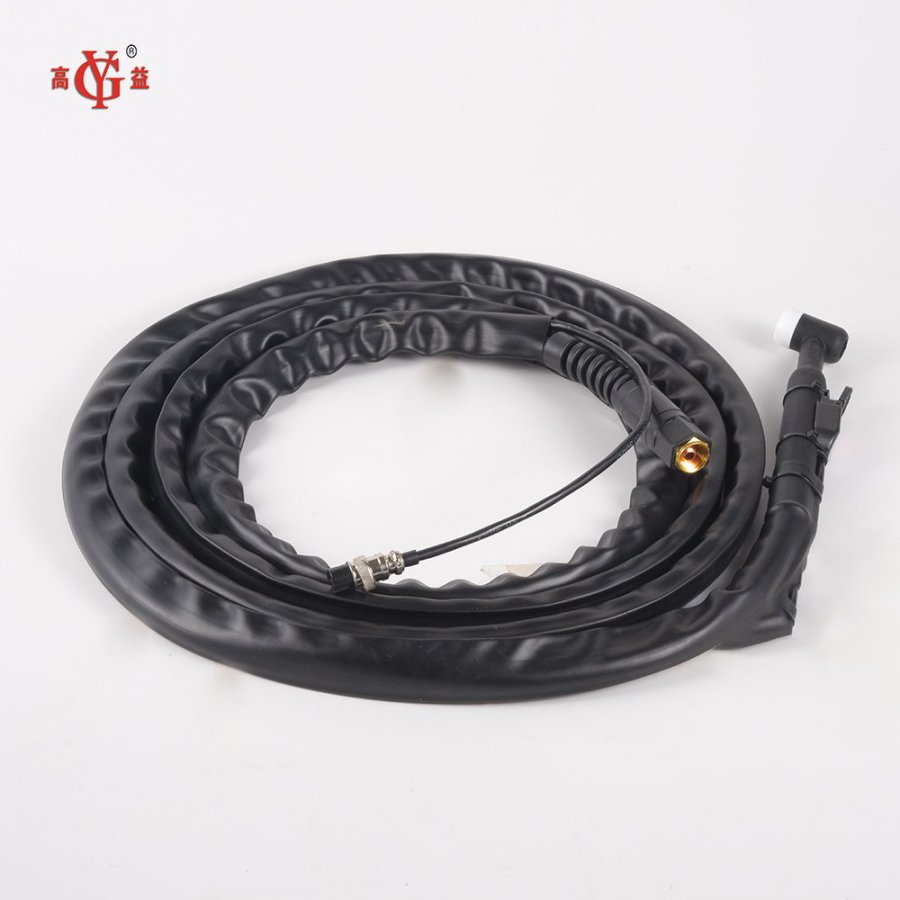
The Art of TIG Welding: Mastering Your Torch for Perfect Results
The Art of TIG Welding: Mastering Your Torch for Perfect Results
TIG (Tungsten Inert Gas) welding is a sophisticated process that requires a deep understanding of technique, equipment, and material behavior. In this extensive guide, we will explore the nuances of mastering your TIG torch, focusing on achieving perfect results in your welding projects.
Table of Contents
1. Introduction to TIG Weldi