
Welding Torch Nozzles: Essential Factors to Consider for Beginners
Oct 16,2026
Welding Torch Nozzles: Essential Factors to Consider for Beginners
Table of Contents
Understanding Welding Torch Nozzles
Types of Welding Torch Nozzles
Material Choice for Welding Torch Nozzles
Size and Diameter Considerations
Nozzle Design and Shape
Common Mistakes to Avoid with Welding Torch Nozzles
Maintenance and Care of Welding Torch Nozzles
Conclusion
FAQs
Understanding W
Welding Torch Nozzles: Essential Factors to Consider for Beginners
Table of Contents
- Understanding Welding Torch Nozzles
- Types of Welding Torch Nozzles
- Material Choice for Welding Torch Nozzles
- Size and Diameter Considerations
- Nozzle Design and Shape
- Common Mistakes to Avoid with Welding Torch Nozzles
- Maintenance and Care of Welding Torch Nozzles
- Conclusion
- FAQs
Understanding Welding Torch Nozzles
Welding torch nozzles play an integral role in the welding process. As the part of the welding torch that directs the flow of shielding gas, nozzles protect the weld pool from atmospheric contamination. A well-chosen nozzle can significantly improve the quality of your welds. For beginners, understanding the function and importance of welding torch nozzles is the first step towards becoming proficient in welding.
What is a Welding Torch Nozzle?
A **welding torch nozzle** is a critical component used in various welding techniques, including MIG (Metal Inert Gas) and TIG (Tungsten Inert Gas) welding. Its primary purpose is to control the flow of gas and to maintain the stability of the welding arc. The nozzle also helps in shaping the weld bead and affects penetration depth.
Why Are Nozzles Important?
The choice of nozzle can influence several key aspects of the welding process, including:
- **Heat Control:** Proper nozzle selection helps in regulating the heat provided to the weld area.
- **Gas Coverage:** Ensures that the weld pool is adequately protected from oxidation and contamination.
- **Weld Quality:** A suitable nozzle can significantly improve the appearance and strength of the weld.
Types of Welding Torch Nozzles
There are several types of welding torch nozzles available, each designed for specific welding applications and techniques. Understanding these types is crucial for beginners.
MIG Welding Nozzles
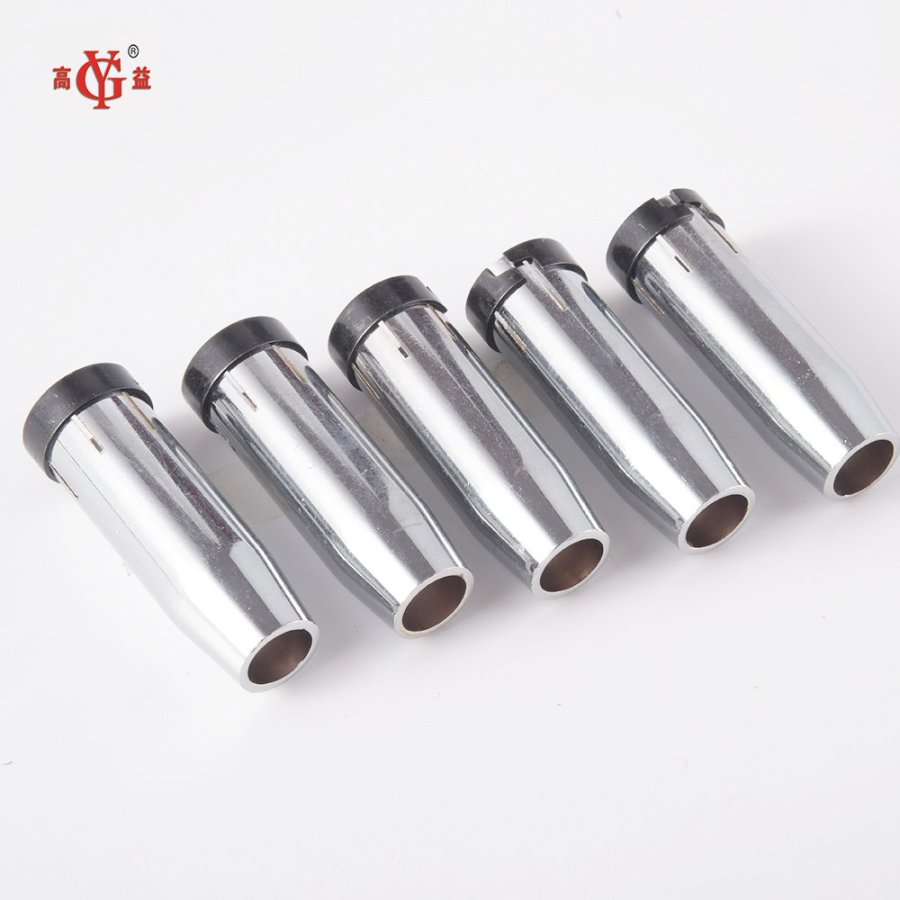
MIG welding nozzles are typically made from brass or copper and can be either standard or tapered. **Standard nozzles** have a larger opening, allowing for a higher flow of shielding gas, while **tapered nozzles** provide greater control for intricate welding tasks.
TIG Welding Nozzles
TIG welding nozzles, often referred to as cups, come in various sizes and shapes. They are essential for maintaining an inert gas envelop around the tungsten electrode and the weld pool. TIG nozzles can be made from ceramic or metal, with ceramic providing better thermal resistance.
Plasma Cutting Nozzles
For plasma cutting, the nozzle is a crucial factor that influences the quality of the cut. The design of plasma cutting nozzles allows for precise cutting with a focused arc.
Material Choice for Welding Torch Nozzles
The material of the welding torch nozzle affects its durability and functionality. Here's a breakdown of common materials used.
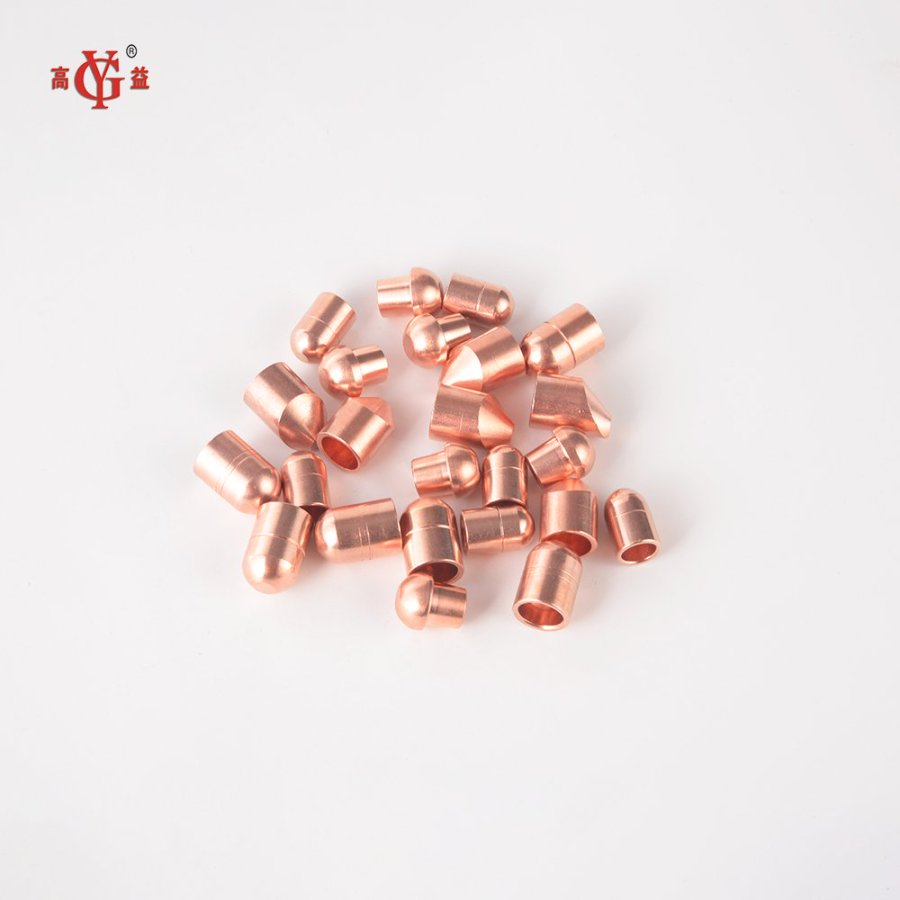
Copper Nozzles
Copper is a popular choice for its excellent thermal conductivity. It allows for efficient heat dissipation, making it ideal for high-heat applications. However, copper nozzles may not be suitable for all welding types due to potential wear.
Brass Nozzles
Brass offers a good balance between durability and cost. It resists corrosion effectively and is often used in MIG welding applications where high thermal conductivity is less critical.
Ceramic Nozzles
Ceramic nozzles are commonly used in TIG welding because they resist high temperatures and provide a stable gas flow. They can handle the heat without warping, making them ideal for precision welding tasks.
Size and Diameter Considerations
Selecting the right size and diameter for your welding torch nozzle is vital for achieving optimal results.
Nozzle Size
Nozzle sizes range from small to large, impacting gas flow and weld bead appearance. Smaller nozzles provide better control for intricate work, while larger nozzles allow for a higher gas flow, suitable for thick materials.
Diameter Specifications
The diameter of the nozzle must match the welding wire and application. A mismatch can lead to poor shielding and undesirable weld characteristics.
Nozzle Design and Shape
The design and shape of a welding torch nozzle can influence both functionality and ease of use.
Standard vs. Tapered Nozzles
Standard nozzles are straight and provide consistent gas flow, while tapered nozzles offer enhanced control for detailed welding tasks. Beginners should consider their specific welding applications when selecting a nozzle shape.
Long vs. Short Nozzles
Long nozzles allow for better access to tight spaces, making them invaluable for complex welds. Short nozzles are more manageable for general purposes but may limit reach.
Common Mistakes to Avoid with Welding Torch Nozzles
Many beginners make common mistakes when using welding torch nozzles. Here are some pitfalls to avoid:
Using the Wrong Nozzle Size
Selecting a nozzle size that does not match your welding application can lead to poor results. Always check compatibility with your welding wire and process.
Neglecting Maintenance
Failing to clean and maintain your nozzles can lead to clogging and reduced efficiency. Regular inspection and cleaning are essential for prolonging the life of your nozzles.
Overheating the Nozzle
Excessive heat can damage the nozzle, affecting its performance. Always monitor the heat output and adjust as necessary.
Maintenance and Care of Welding Torch Nozzles
To ensure the longevity and efficiency of your welding torch nozzles, proper maintenance is crucial.
Regular Cleaning
After each use, clean the nozzle to remove any slag or debris that can block gas flow. A simple brush or compressed air can effectively remove most obstructions.
Inspect for Damage
Regularly inspect your nozzles for signs of wear or damage. Cracks, warping, or excessive discoloration can indicate that it’s time for a replacement.
Store Properly
When not in use, store your welding nozzles in a dry and safe place to prevent accidental damage or contamination.
Conclusion
Understanding the key factors of welding torch nozzles is essential for any beginner in the welding industry. From types and materials to size and maintenance, making informed choices will significantly impact the quality of your welds. Whether you are engaging in MIG, TIG, or plasma cutting, selecting the right nozzle will enhance your welding experience and outcomes. Take the time to explore your options and ensure proper maintenance, and you'll be well on your way to becoming a skilled welder.
FAQs
1. What is the main function of a welding torch nozzle?
The primary function of a welding torch nozzle is to direct the flow of shielding gas, protecting the weld pool from atmospheric contamination and ensuring optimal weld quality.
2. How do I know which size nozzle to choose?
The size of the nozzle should be compatible with the welding wire and the thickness of the material being welded. Generally, smaller nozzles provide better control, while larger ones allow for higher gas flow.
3. What materials are commonly used for welding torch nozzles?
Common materials include copper, brass, and ceramic. Each material offers different advantages depending on the welding application.
4. How can I prevent clogging in my welding nozzle?
Regular cleaning after each use and proper storage can help prevent clogging and maintain the efficiency of your welding nozzle.
5. When should I replace my welding torch nozzle?
Replace your nozzle when you notice signs of damage, such as cracks or warping, or if it no longer provides consistent gas flow. Regular inspections will help you identify when a replacement is necessary.
TAG:
Related Posts
Welding Torch Nozzles: Essential Factors to Consider for Beginners
Welding Torch Nozzles: Essential Factors to Consider for Beginners
Table of Contents
Understanding Welding Torch Nozzles
Types of Welding Torch Nozzles
Material Choice for Welding Torch Nozzles
Size and Diameter Considerations
Nozzle Design and Shape
Common Mistakes to Avoid with Welding Torch Nozzles
Maintenance and Care of Welding Torch Nozzles
Conclusion
FAQs
Understanding W