
Understanding the Science of Heat Control in TIG Welding Torches: Mastering Precision and Efficiency
Jul 20,2026
Understanding the Science of Heat Control in TIG Welding Torches
Table of Contents
1. Introduction to TIG Welding and Heat Control
2. What is TIG Welding?
3. The Importance of Heat Control in TIG Welding
4. Components of TIG Welding Torches
4.1. The Torch Body
4.2. The Electrode
4.3. The Collet and Collet Body
4.4. The Nozzl
Understanding the Science of Heat Control in TIG Welding Torches
Table of Contents
- 1. Introduction to TIG Welding and Heat Control
- 2. What is TIG Welding?
- 3. The Importance of Heat Control in TIG Welding
- 4. Components of TIG Welding Torches
- 5. Heat Management Techniques in TIG Welding
- 6. Challenges in Achieving Optimal Heat Control
- 7. Practical Applications of Heat Control in TIG Welding
- 8. Conclusion
1. Introduction to TIG Welding and Heat Control
TIG welding, or Tungsten Inert Gas welding, is revered for its precision and versatility across various industries. Understanding the **science of heat control** is pivotal when using TIG welding torches. Proper heat management not only affects the integrity of the weld but also enhances the overall efficiency of the welding process. In this article, we will explore the essential components of TIG welding torches and the techniques utilized to control heat effectively.
2. What is TIG Welding?
TIG welding is a non-consumable arc welding process that employs a tungsten electrode to produce a weld. An inert gas, typically argon, shields the weld area from contamination. This method is particularly useful for welding thin sections of stainless steel, aluminum, and other metals. The process allows for control over the heat input, which is crucial for achieving high-quality welds.
3. The Importance of Heat Control in TIG Welding
Heat control plays a critical role in determining the quality and characteristics of the weld. Excessive heat can lead to distortion, burn-through, and weakened joints, while insufficient heat can result in poor penetration and incomplete fusion. Understanding and managing the heat during welding ensures optimal metallurgical properties, including strength, ductility, and corrosion resistance.
4. Components of TIG Welding Torches
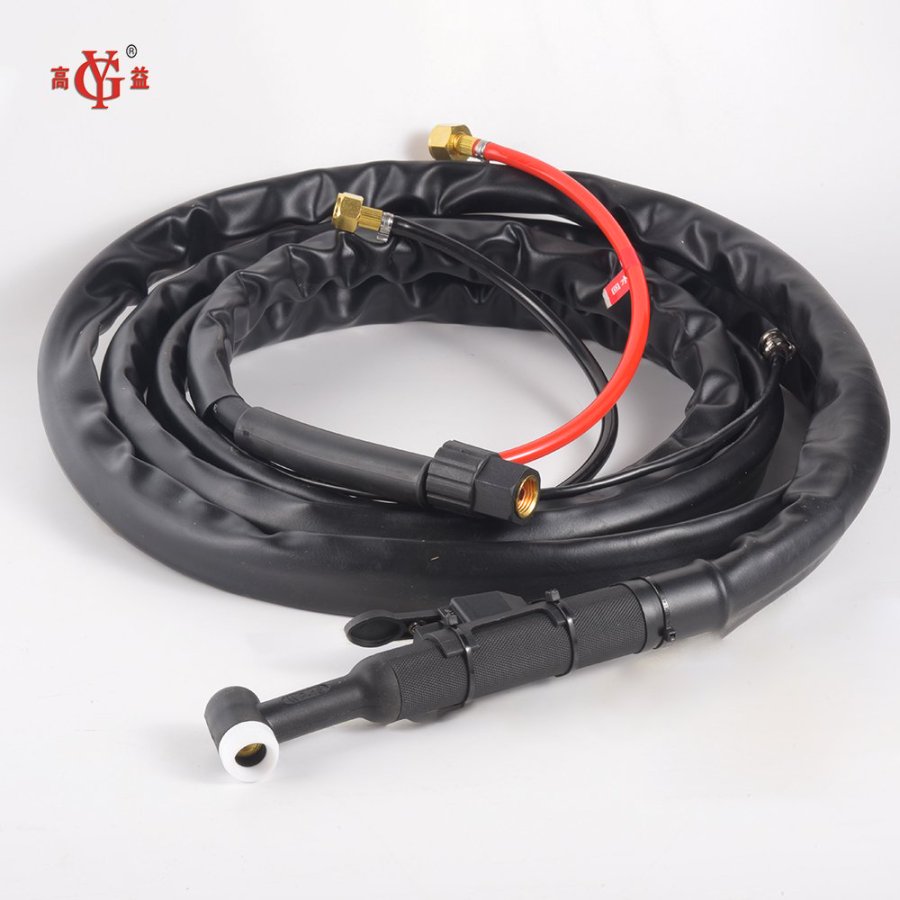
To effectively manage heat, one must comprehend the anatomy of TIG welding torches. Each component contributes uniquely to the welding process.
4.1. The Torch Body
The torch body houses the internal components and is typically made of durable materials capable of withstanding high temperatures. A well-designed body facilitates heat dissipation, contributing to overall control.
4.2. The Electrode
The tungsten electrode, central to the TIG welding process, is responsible for the creation of the arc. The electrode's diameter and length significantly influence the heat generated. Selecting the appropriate type of tungsten is essential for effective heat control.
4.3. The Collet and Collet Body
The collet secures the electrode in place while allowing for easy replacement. A snug fit is vital, as it prevents arc instability, which can lead to inconsistent heat distribution.
4.4. The Nozzle
The nozzle directs the shielding gas over the weld zone, protecting it from atmospheric contamination. The size and design of the nozzle significantly impact the gas flow and, consequently, the heat control during the welding process.
5. Heat Management Techniques in TIG Welding
Mastering heat control in TIG welding involves implementing several techniques that optimize the welding conditions.
5.1. The Role of Argon Gas Flow
Argon gas serves as the shielding medium that protects the molten weld pool. Proper gas flow rate is crucial; insufficient flow can lead to oxidation, while excessive flow may disturb the arc stability. Adjusting the gas flow according to the thickness of the material being welded is important for maintaining heat control.
5.2. Torch Angle and Distance
The angle at which the torch is held, as well as the distance from the workpiece, affect the heat concentration in the weld zone. A correct torch angle and an optimal distance ensure that heat is applied precisely where it is needed, preventing overheating or underheating.
5.3. Welding Speed Adjustments
Welding speed is another critical factor influencing heat control. Slower speeds increase heat input, ideal for thicker materials, while faster speeds are suitable for thinner sections. Adjusting the speed according to the material and joint design is essential for achieving the desired weld quality.
6. Challenges in Achieving Optimal Heat Control
Despite the various techniques available, welders often encounter challenges in heat management. Factors such as wind, inconsistent gas flow, and operator experience can all impact heat control. Understanding these challenges and developing strategies to mitigate them is crucial for consistent welding performance.
7. Practical Applications of Heat Control in TIG Welding
Effective heat control through TIG welding is utilized in a diverse range of applications, from automotive manufacturing to aerospace engineering. Mastery of heat management techniques enables welders to tackle complex projects with precision and reliability, ensuring that structural integrity and aesthetic quality are maintained.
8. Conclusion
In summary, understanding the science of heat control in TIG welding torches is fundamental for achieving high-quality, reliable welds. By mastering the components of the torch and employing effective heat management techniques, welders can enhance their skills and ensure optimal performance in various applications. As technology advances, continued learning and adaptation will enable practitioners to maintain excellence in the field of welding.
FAQs
1. What type of tungsten electrode should I use for TIG welding?
The choice of tungsten electrode depends on the material being welded and the welding conditions. Typically, a pure tungsten electrode is used for aluminum, while a thoriated tungsten is more suitable for steel.
2. How does gas flow affect TIG welding?
Proper gas flow is essential for protecting the weld from contamination. Insufficient flow can lead to oxidation, while excessive flow can destabilize the arc.
3. What is the ideal torch angle for TIG welding?
The ideal torch angle is typically between 15 to 30 degrees from vertical, allowing optimal control of heat and shielding gas coverage.
4. How can I prevent overheating during TIG welding?
To prevent overheating, ensure proper torch distance, adjust welding speed, and monitor the heat input according to material thickness.
5. What are some common materials suitable for TIG welding?
TIG welding is effective on various metals, including stainless steel, aluminum, magnesium, and copper alloys.
TAG:
Related Posts
The Art of TIG Welding: Mastering Your Torch for Perfect Results
The Art of TIG Welding: Mastering Your Torch for Perfect Results
TIG (Tungsten Inert Gas) welding is a sophisticated process that requires a deep understanding of technique, equipment, and material behavior. In this extensive guide, we will explore the nuances of mastering your TIG torch, focusing on achieving perfect results in your welding projects.
Table of Contents
1. Introduction to TIG Weldi