
How to Choose the Correct Size Welding Torch Nozzle for Your Needs
Jul 18,2026
How to Choose the Correct Size Welding Torch Nozzle for Your Needs
Understanding Welding Torch Nozzles
Welding torch nozzles play a crucial role in the welding process, directly impacting the quality of the weld and the efficiency of the project. They serve as a channel through which the shielding gas flows, protecting the molten weld pool from contamination. The nozzle size you choose can dramati
How to Choose the Correct Size Welding Torch Nozzle for Your Needs
Understanding Welding Torch Nozzles
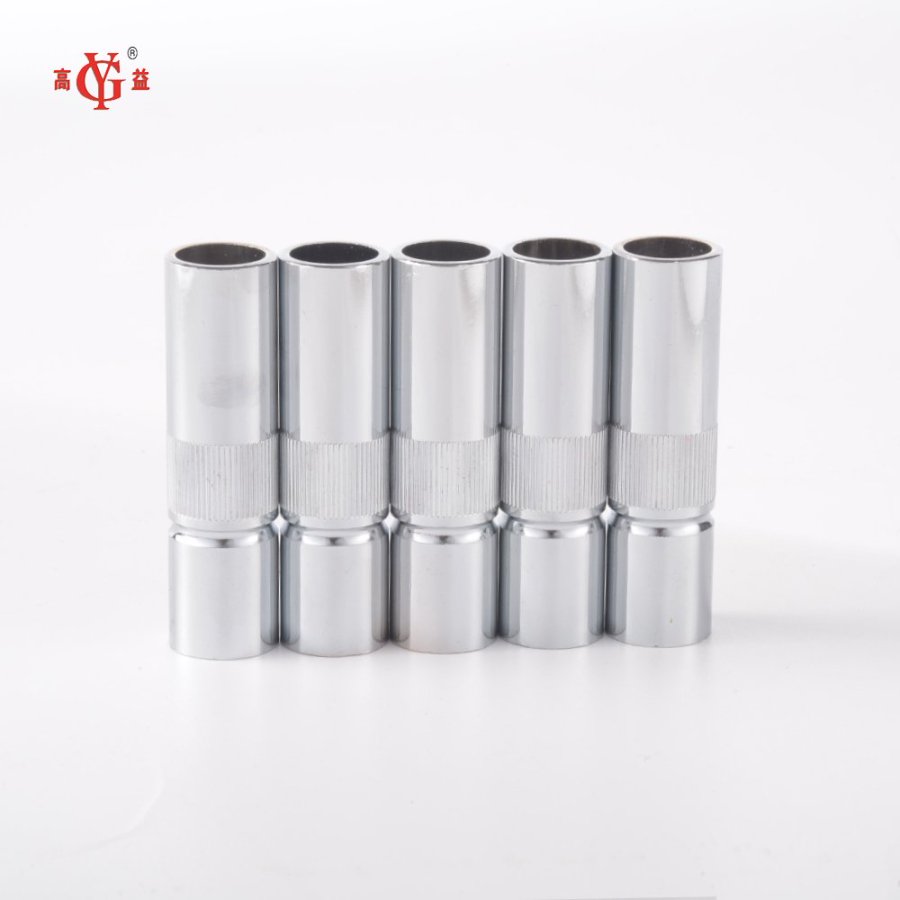
Welding torch nozzles play a crucial role in the welding process, directly impacting the quality of the weld and the efficiency of the project. They serve as a channel through which the shielding gas flows, protecting the molten weld pool from contamination. The nozzle size you choose can dramatically affect your welding performance, making it essential to understand the factors influencing this decision.
The Importance of Nozzle Size in Welding
Selecting the correct nozzle size is vital for several reasons:
1. **Gas Flow Rate**: A nozzle that is too small may restrict gas flow, leading to an unstable arc and poor weld quality. Conversely, a nozzle that is too large can result in excessive gas flow, causing turbulence and contamination.
2. **Weld Penetration and Heat**: Different welding applications require different levels of heat and penetration. The nozzle size can influence these aspects, making it essential to match the nozzle to the specific project requirements.
3. **Ease of Use**: The right nozzle size can enhance maneuverability and control, making it easier to achieve the desired results, especially in tight spaces.
Factors to Consider When Choosing a Nozzle Size
When selecting a welding torch nozzle, several key factors come into play:
1. Type of Welding Process
Different welding processes, such as MIG, TIG, or Stick welding, have specific requirements regarding nozzle size. Understanding the welding process you will be using is the first step in making an informed decision.
2. Base Material Thickness
The thickness of the materials you are welding will dictate the necessary heat input and penetration. Thicker materials generally require larger nozzles to accommodate higher gas flow rates and heat levels.
3. Electrode Size
The diameter of the electrode being used in your welding process is crucial. Typically, a nozzle that closely matches the diameter of the electrode will provide optimal performance.
4. Type of Shielding Gas
The type of shielding gas you plan to use—such as argon, CO2, or a mixture—also affects nozzle selection. Different gases have varying flow characteristics, which can influence the required nozzle size.
5. Welding Position
The position in which you will be welding—flat, horizontal, vertical, or overhead—can impact the nozzle size needed. For example, overhead welding might require a nozzle that minimizes gas flow to prevent excessive turbulence.
How to Measure Nozzle Size
Understanding how to measure nozzle size is crucial for making the right choice. Here’s how you can measure and assess the size of a welding torch nozzle effectively.
Identifying Nozzle Sizes
Nozzle sizes are typically measured in inches or millimeters and correspond to the inner diameter of the nozzle. Common sizes include:
- 0.030 inches (0.76 mm)
- 0.045 inches (1.14 mm)
- 0.062 inches (1.57 mm)
- 0.093 inches (2.36 mm)
Using a Nozzle Gauge
A nozzle gauge is a useful tool for accurately measuring the diameter of your nozzle. Place the gauge inside the nozzle opening and determine the size based on the markings. This ensures you select a compatible size for your welding projects.
Common Types of Welding Torch Nozzles
Understanding the types of welding torch nozzles available will help you make a more informed choice.
1. Standard Nozzles
Standard nozzles are versatile and commonly used across various welding applications. They provide a balanced gas flow and heat distribution, making them suitable for most welding tasks.
2. Flared Nozzles
Flared nozzles offer an increased gas flow area, which can be beneficial for projects requiring higher heat input. They are particularly useful in applications involving thicker materials.
3. Conical Nozzles
These nozzles feature a tapered design that allows for precise control over the weld pool. They are ideal for intricate work and fine welding tasks.
4. Extended Nozzles
Extended nozzles provide added reach, making them suitable for welding in tight spaces. They allow for better access without compromising gas flow.
Tips for Choosing the Right Size Welding Torch Nozzle
Here are some practical tips to help you select the right nozzle size for your welding needs:
1. Assess Your Welding Project
Evaluate the specifics of your welding project, including material type, thickness, and the welding technique being employed. This will provide a solid foundation for selecting the appropriate nozzle size.
2. Consult Manufacturer Guidelines
Welding equipment manufacturers often provide recommendations for nozzle sizes based on their products. Consulting these guidelines can streamline your decision-making process.
3. Experiment with Different Sizes
If you’re uncertain about the ideal nozzle size, consider experimenting with a few different options. This hands-on approach can help you identify what works best for your specific applications.
4. Maintain Your Nozzles
Regular maintenance of your welding nozzles is essential for optimal performance. Clean and inspect your nozzles frequently to ensure they are free of obstructions and wear.
Frequently Asked Questions (FAQs)
1. What happens if I use the wrong size welding nozzle?
Using the wrong size nozzle can lead to poor gas flow, contamination of the weld pool, and compromised weld quality. It can also result in increased spatter and difficult control of the welding arc.
2. How can I tell if my welding nozzle is too big?
If your welding nozzle is too large, you may notice excessive turbulence and poor shielding gas coverage, causing contamination and inconsistent weld quality.
3. Can I use a smaller nozzle for larger projects?
Using a smaller nozzle for larger projects may lead to insufficient gas flow and poor heat distribution, ultimately affecting the quality of the weld. It’s best to match the nozzle size to the project requirements.
4. Are there universal nozzles for all welding types?
While some nozzles are designed to be versatile, each welding process has specific requirements. It’s always best to choose a nozzle tailored to the specific type of welding you will be performing.
5. How often should I replace my welding nozzle?
The lifespan of a welding nozzle depends on usage and maintenance. Regular inspections will help you determine if it’s time for a replacement. Look for signs of wear, such as cracks or excessive buildup.
Conclusion
Choosing the correct size welding torch nozzle is essential for achieving optimal results in your welding projects. By considering key factors such as the type of welding process, material thickness, and electrode size, you can make an informed decision that enhances your welding performance. Remember to assess your projects thoroughly, consult manufacturer guidelines, and maintain your nozzles for the best results. With the right nozzle, you'll not only improve the quality of your welds but also enhance your overall efficiency and satisfaction with your work. Happy welding!
TAG:
Related Posts
How to Choose the Correct Size Welding Torch Nozzle for Your Needs
How to Choose the Correct Size Welding Torch Nozzle for Your Needs
Understanding Welding Torch Nozzles
Welding torch nozzles play a crucial role in the welding process, directly impacting the quality of the weld and the efficiency of the project. They serve as a channel through which the shielding gas flows, protecting the molten weld pool from contamination. The nozzle size you choose can dramati