
Essential Maintenance Tips for Your MIG Welding Wire Feeder: A Comprehensive Guide
Jun 20,2026
Essential Maintenance Tips for Your MIG Welding Wire Feeder
Maintaining your MIG welding wire feeder is crucial for achieving optimal welding performance and extending the lifespan of your equipment. Regular upkeep not only ensures consistent wire feed and welding quality but also minimizes the risk of costly repairs. In this comprehensive guide, we will delve into the best practices for maintaini
Essential Maintenance Tips for Your MIG Welding Wire Feeder
Maintaining your MIG welding wire feeder is crucial for achieving optimal welding performance and extending the lifespan of your equipment. Regular upkeep not only ensures consistent wire feed and welding quality but also minimizes the risk of costly repairs. In this comprehensive guide, we will delve into the best practices for maintaining your MIG welding wire feeder, with insights into cleaning, inspection, and troubleshooting.
Table of Contents
1. Understanding the Role of the MIG Welding Wire Feeder
2. Key Components of a MIG Welding Wire Feeder
3. Importance of Regular Maintenance
4. Essential Maintenance Tips for MIG Welding Wire Feeders
4.1 Cleaning the Wire Feeder
4.2 Inspecting the Drive Rollers
4.3 Checking the Electrical Connections
4.4 Lubrication of Moving Parts
4.5 Monitoring Wire Feed Speed
5. Troubleshooting Common Issues
5.1 Wire Jamming Problems
5.2 Inconsistent Wire Feed
5.3 Poor Welding Quality
6. Choosing the Right MIG Welding Wire Feeder
7. Frequently Asked Questions (FAQs)
8. Conclusion
1. Understanding the Role of the MIG Welding Wire Feeder
The MIG welding wire feeder is a vital component in the Metal Inert Gas (MIG) welding process. It delivers continuous wire to the welding gun, where it is melted by an electric arc to join metal pieces together. Understanding how your wire feeder operates is the first step in maintaining it effectively. This device ensures a smooth, consistent feed of welding wire, which is essential for high-quality welds.
2. Key Components of a MIG Welding Wire Feeder
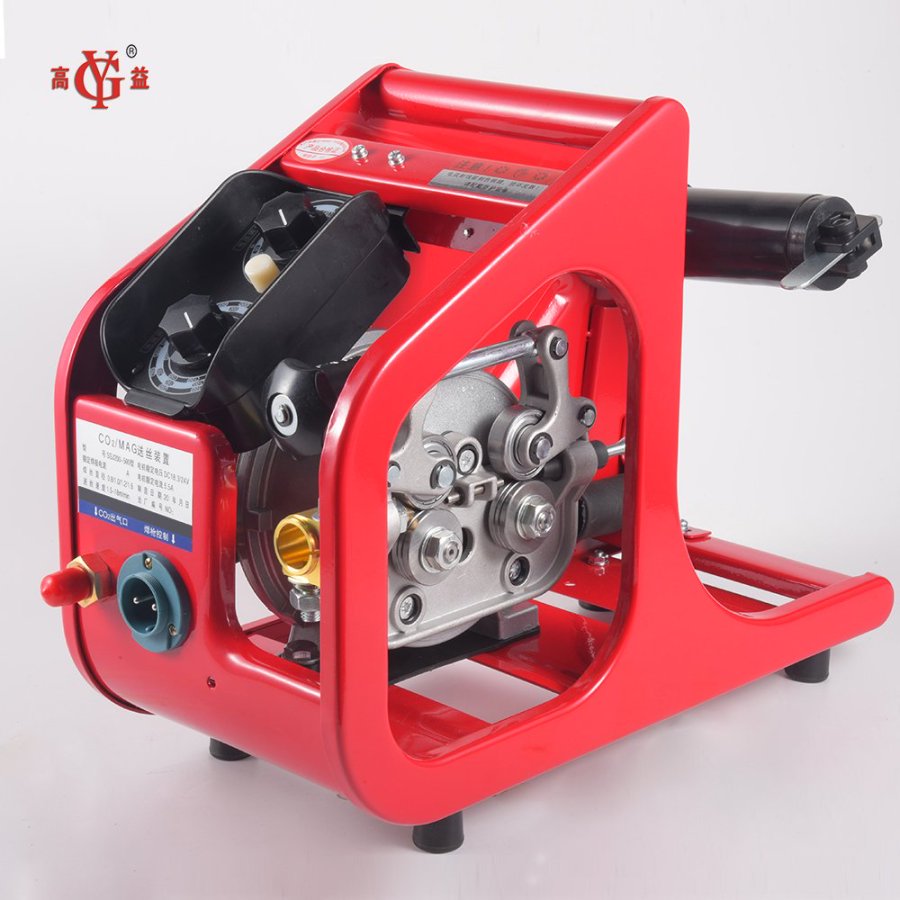
A typical MIG welding wire feeder consists of several key components:
- **Drive Rollers**: These are responsible for pushing the welding wire through the feeder and into the welding gun.
- **Wire Spool Holder**: This component holds the spool of welding wire in place.
- **Electrical Connections**: These power the motor that drives the rollers and control the feed speed.
- **Control Panel**: This allows the welder to adjust settings such as wire feed speed and voltage.
Understanding these components will help you identify areas that require maintenance.
3. Importance of Regular Maintenance
Regular maintenance of your MIG welding wire feeder is crucial for several reasons:
- **Performance Optimization**: Clean and well-maintained equipment operates more efficiently, resulting in higher-quality welds.
- **Cost-Effectiveness**: Preventative maintenance can reduce the likelihood of expensive repairs due to neglect.
- **Safety**: Regular checks can identify potential hazards, ensuring a safer working environment.
In essence, investing time in maintenance can save you money and enhance your welding outcomes.
4. Essential Maintenance Tips for MIG Welding Wire Feeders
4.1 Cleaning the Wire Feeder
Keeping your MIG welding wire feeder clean is vital to its performance. Dust, dirt, and metal shavings can interfere with the feed mechanism and cause feed issues. To clean the feeder:
1. **Disconnect the Power**: Always ensure the machine is unplugged before performing any maintenance.
2. **Remove the Wire Spool**: Take off the wire spool and clean the area where the spool sits.
3. **Use Compressed Air**: Blow out any debris from the drive rollers, feed tubes, and other components.
4. **Wipe Down Surfaces**: Use a clean cloth to wipe surfaces, removing any buildup.
4.2 Inspecting the Drive Rollers
The drive rollers are integral for proper wire feeding. Over time, they can wear down or become misaligned. Regular inspection is necessary:
- **Check for Wear**: Look for grooves or flat spots on the drive rollers. Replace them if necessary.
- **Alignment Check**: Ensure the rollers are correctly aligned with the wire path to prevent jamming.
4.3 Checking the Electrical Connections
Faulty electrical connections can lead to inconsistent performance. Regularly check the following:
- **Wiring Condition**: Inspect wires for fraying or damage.
- **Connection Tightness**: Ensure all electrical connections are secure.
4.4 Lubrication of Moving Parts
Proper lubrication keeps the feeder operating smoothly. Identify moving parts that require lubrication and use appropriate lubricants:
- **Select Lubricant Wisely**: Use light machine oil or a specific lubricant recommended by the manufacturer.
- **Apply Sparingly**: Too much lubricant can attract dust and debris, so apply it sparingly.
4.5 Monitoring Wire Feed Speed
The wire feed speed directly impacts the quality of your welds. Regularly monitor and adjust the feed speed settings based on the material thickness and type.
- **Test Settings**: Run test welds to determine the optimal wire feed speed for each project.
- **Adjust Accordingly**: Make adjustments as needed for different materials or welding positions.
5. Troubleshooting Common Issues
Even with regular maintenance, issues can arise. Here are common problems and how to address them:
5.1 Wire Jamming Problems
Wire jams can halt your work and cause frustration. Common causes include:
- **Incorrect Roller Tension**: Adjust the tension of the drive rollers to ensure they grip the wire correctly.
- **Dirt and Debris**: Clean the feed path to remove any obstructions.
5.2 Inconsistent Wire Feed
If your wire feed is inconsistent, check the following:
- **Roller Alignment**: Misalignment can cause uneven feeding. Realign the rollers if necessary.
- **Wire Quality**: Use high-quality welding wire to ensure consistent feeding.
5.3 Poor Welding Quality
Poor welding quality can stem from various factors:
- **Improper Settings**: Ensure your voltage and wire feed speed settings are appropriate for the materials being welded.
- **Dirty Equipment**: Regularly clean your welding gun and feeder to prevent contamination.
6. Choosing the Right MIG Welding Wire Feeder
When selecting a MIG welding wire feeder, consider the following factors:
- **Type of Welding**: Choose a feeder compatible with the type of welding you intend to perform.
- **Wire Size**: Ensure the feeder can accommodate the size of wire you will be using.
- **Features**: Look for additional features such as digital controls or built-in safety measures.
A well-chosen MIG welding wire feeder can significantly enhance your welding experience.
7. Frequently Asked Questions (FAQs)
**Q1: How often should I clean my MIG welding wire feeder?**
A: It is advisable to clean your MIG welding wire feeder after every use to prevent debris accumulation.
**Q2: What type of lubricant should I use for my wire feeder?**
A: Use light machine oil or a lubricant specifically recommended by the manufacturer.
**Q3: How can I tell if my drive rollers need replacing?**
A: If you notice grooves, flat spots, or inconsistent wire feeding, it may be time to replace the drive rollers.
**Q4: What should I do if my wire keeps jamming?**
A: Check the tension on the drive rollers and clean the feed path to remove any obstructions.
**Q5: Can I adjust the wire feed speed during welding?**
A: Yes, you can adjust the wire feed speed while welding to accommodate different materials and thicknesses.
8. Conclusion
In conclusion, maintaining your MIG welding wire feeder is essential for ensuring optimal performance and achieving high-quality welds. By regularly cleaning, inspecting critical components, and addressing common issues, you can enhance the longevity and effectiveness of your welding equipment. Adopting these maintenance practices not only saves you time and money but also contributes to a safer working environment. Take the time to care for your MIG welding wire feeder, and it will reward you with reliable performance for years to come.
TAG:
Related Posts
Essential Maintenance Tips for Your MIG Welding Wire Feeder: A Comprehensive Guide
Essential Maintenance Tips for Your MIG Welding Wire Feeder
Maintaining your MIG welding wire feeder is crucial for achieving optimal welding performance and extending the lifespan of your equipment. Regular upkeep not only ensures consistent wire feed and welding quality but also minimizes the risk of costly repairs. In this comprehensive guide, we will delve into the best practices for maintaini