
Understanding the Role of Spot Welding Electrode Caps in Electrical Applications
Jun 19,2026
Spot welding is a vital process in various industries, providing strong and reliable joints in metal assemblies. At the heart of this process lies the spot welding electrode cap, a crucial component that significantly impacts the efficiency and quality of welding operations. Understanding the role and importance of electrode caps can help enhance welding performance and ensure longevity in equipme

Spot welding is a vital process in various industries, providing strong and reliable joints in metal assemblies. At the heart of this process lies the spot welding electrode cap, a crucial component that significantly impacts the efficiency and quality of welding operations. Understanding the role and importance of electrode caps can help enhance welding performance and ensure longevity in equipment.
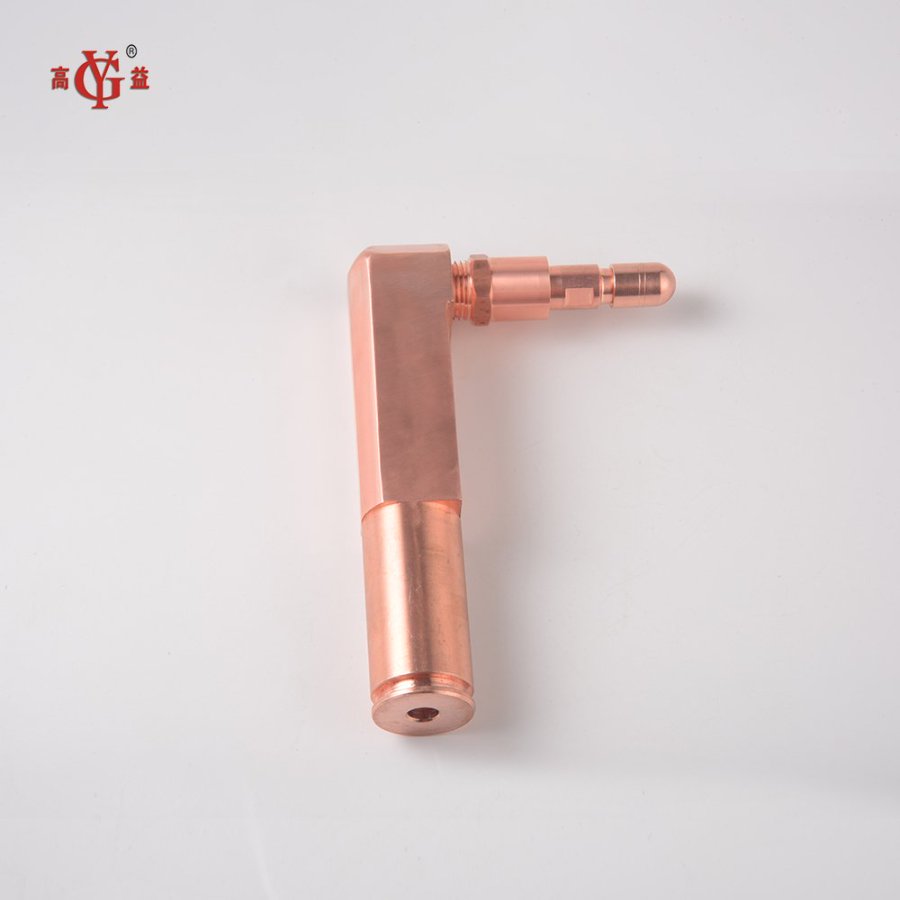
Spot welding electrode caps are designed to cover the tips of welding electrodes, protecting them from wear and damage during the welding process. These caps serve multiple functions, including heat dissipation, electrical conductivity, and mechanical strength. The materials used to manufacture electrode caps are typically selected for their durability and ability to withstand the extreme temperatures generated during welding. Common materials include copper alloys, which offer excellent conductivity and thermal management.
One of the key benefits of using spot welding electrode caps is their ability to prolong the lifespan of welding electrodes. Without proper protection, electrodes can face significant wear due to the high temperatures and pressure exerted during the welding process. This wear can lead to inconsistent weld quality, increased maintenance costs, and frequent replacements. By utilizing electrode caps, welders can minimize direct contact between the electrode and the workpiece, thereby extending the service life of the electrode and improving overall efficiency.
There are various types of spot welding electrode caps available, each designed for specific applications and materials. For instance, caps can differ in shape, size, and material composition based on the thickness of the metals being welded and the required welding parameters. It is essential for welders to select the appropriate cap to match their specific requirements, as this will significantly affect the quality of the weld seam.
Maintenance of spot welding electrode caps is also critical to ensure optimum performance. Regular inspection is necessary to identify signs of wear or damage, which may compromise the welding process. Replacing worn or damaged caps in a timely manner can help maintain consistent weld quality and reduce the risk of defects. Additionally, proper cleaning techniques should be employed to remove any buildup of contaminants that may interfere with the welding process.
In conclusion, spot welding electrode caps play a pivotal role in enhancing the efficiency and effectiveness of welding operations. By providing protection to electrodes, facilitating better heat management, and improving the overall quality of welds, these components are indispensable in the welding industry. Understanding their function, types, and maintenance requirements can help professionals make informed decisions, ultimately leading to improved performance and reduced costs in welding applications.
Spot welding electrode caps are designed to cover the tips of welding electrodes, protecting them from wear and damage during the welding process. These caps serve multiple functions, including heat dissipation, electrical conductivity, and mechanical strength. The materials used to manufacture electrode caps are typically selected for their durability and ability to withstand the extreme temperatures generated during welding. Common materials include copper alloys, which offer excellent conductivity and thermal management.
One of the key benefits of using spot welding electrode caps is their ability to prolong the lifespan of welding electrodes. Without proper protection, electrodes can face significant wear due to the high temperatures and pressure exerted during the welding process. This wear can lead to inconsistent weld quality, increased maintenance costs, and frequent replacements. By utilizing electrode caps, welders can minimize direct contact between the electrode and the workpiece, thereby extending the service life of the electrode and improving overall efficiency.
There are various types of spot welding electrode caps available, each designed for specific applications and materials. For instance, caps can differ in shape, size, and material composition based on the thickness of the metals being welded and the required welding parameters. It is essential for welders to select the appropriate cap to match their specific requirements, as this will significantly affect the quality of the weld seam.
Maintenance of spot welding electrode caps is also critical to ensure optimum performance. Regular inspection is necessary to identify signs of wear or damage, which may compromise the welding process. Replacing worn or damaged caps in a timely manner can help maintain consistent weld quality and reduce the risk of defects. Additionally, proper cleaning techniques should be employed to remove any buildup of contaminants that may interfere with the welding process.
In conclusion, spot welding electrode caps play a pivotal role in enhancing the efficiency and effectiveness of welding operations. By providing protection to electrodes, facilitating better heat management, and improving the overall quality of welds, these components are indispensable in the welding industry. Understanding their function, types, and maintenance requirements can help professionals make informed decisions, ultimately leading to improved performance and reduced costs in welding applications.
TAG:
Related Posts
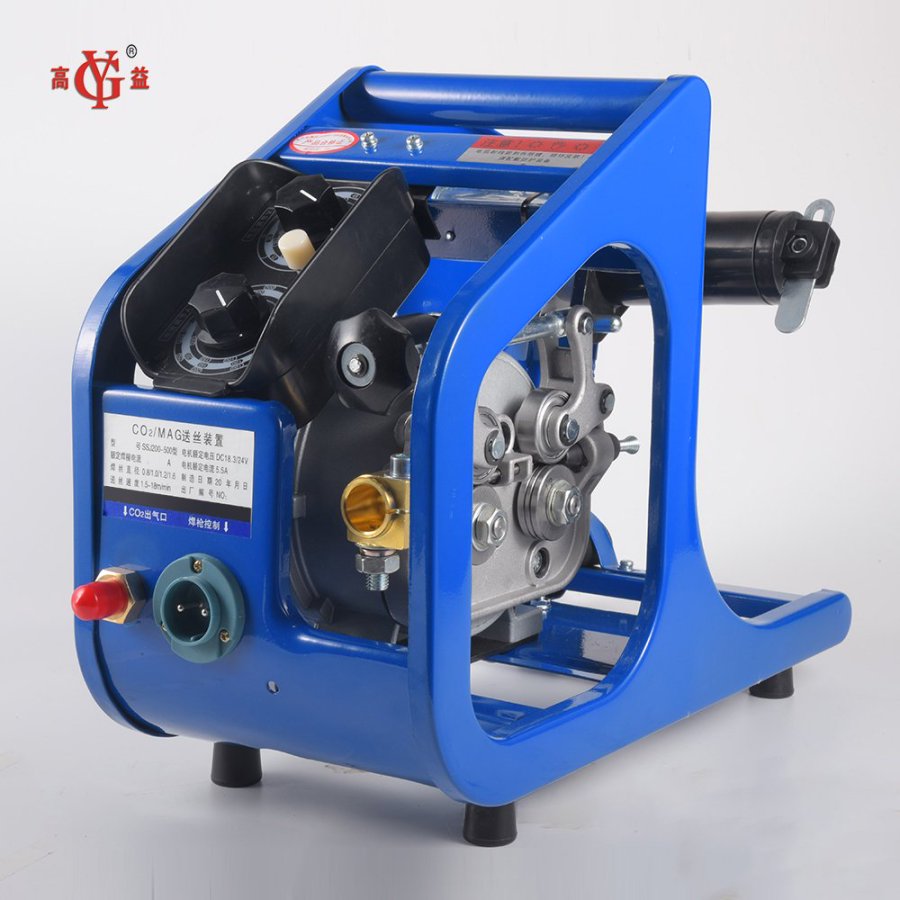
Comparing Different Types of Welding Wire Feeders for MIG Systems: A Comprehensive Guide
Comparing Different Types of Welding Wire Feeders for MIG Systems
Table of Contents
1. Introduction to MIG Welding and Wire Feeders
2. Types of Welding Wire Feeders
2.1 Semi-Automatic Wire Feeders
2.2 Fully Automatic Wire Feeders
2.3 Push-Pull Wire Feeders
2.4 Dual Gear Feeders
3. Benefits of Using Welding Wire Feeders