
Essential Insights on Non-Inductive Welding Cable for Stable Arc Performance
Jun 17,2026
Non-inductive welding cables are a crucial component in welding applications, especially when it comes to maintaining a stable arc. Unlike traditional cables, non-inductive cables are designed to minimize inductance and improve overall performance. This quality is particularly essential in various welding processes, including MIG, TIG, and stick welding, where a consistent and stable arc is paramo
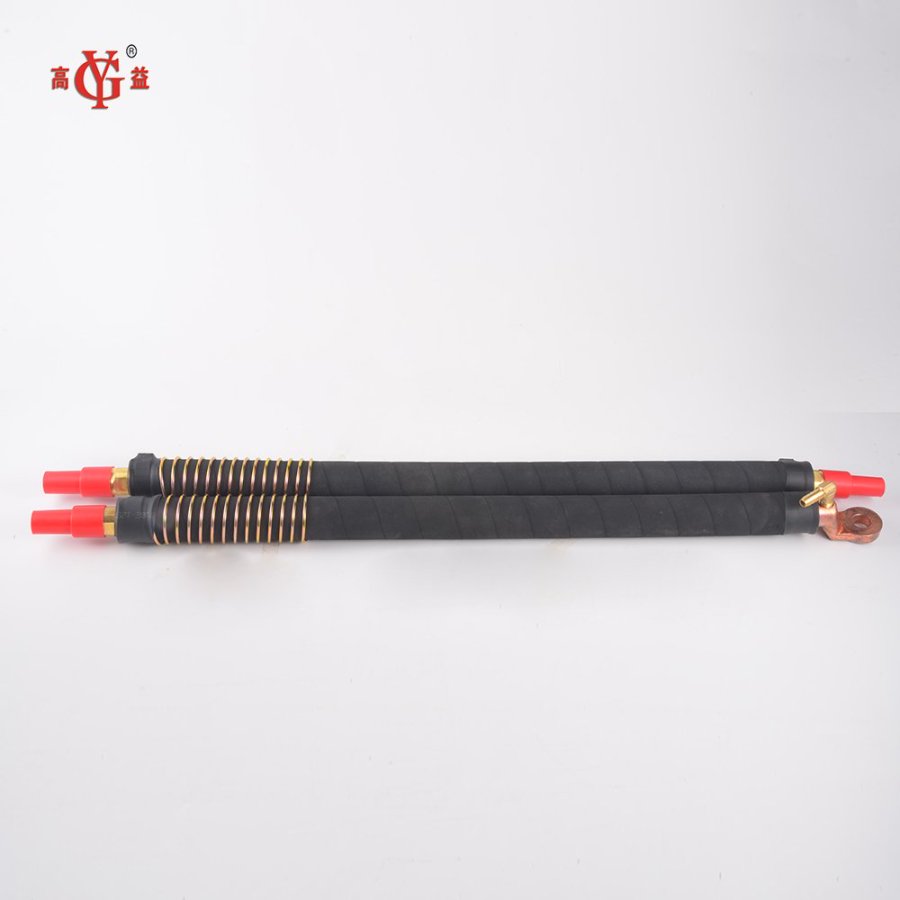
Non-inductive welding cables are a crucial component in welding applications, especially when it comes to maintaining a stable arc. Unlike traditional cables, non-inductive cables are designed to minimize inductance and improve overall performance. This quality is particularly essential in various welding processes, including MIG, TIG, and stick welding, where a consistent and stable arc is paramount for quality results.
The unique construction of non-inductive welding cables typically involves the use of high-quality conductors that are arranged to minimize inductive reactance. This design not only helps in maintaining a steady arc but also reduces the likelihood of voltage drops, which can lead to arc instability. When selecting a welding cable, it is essential to consider its resistance to wear and tear, as well as its ability to handle high current loads without overheating. Non-inductive welding cables often feature robust insulation materials that provide excellent durability and flexibility, allowing for ease of handling in various welding environments.
An important aspect of non-inductive welding cables is their capacity to enhance the overall efficiency of the welding process. A stable arc means less spatter, improved penetration, and better weld quality, which can significantly reduce the need for rework. This efficiency not only saves time but also improves productivity, making it a wise choice for both professional welders and hobbyists alike.
Moreover, the use of non-inductive welding cables can contribute to a safer working environment. By ensuring a more stable arc, the risk of erratic behavior during the welding process is diminished, which can lead to fewer accidents and enhanced safety for the operator. Furthermore, these cables often have excellent heat resistance, minimizing the risk of damage due to excessive heat generated during welding operations.
In conclusion, opting for non-inductive welding cables is a strategic choice for anyone looking to achieve superior welding results characterized by stability and efficiency. Whether you are working on industrial projects or personal tasks, investing in high-quality non-inductive welding cables can lead to better performance, reduced downtime, and enhanced safety. As the demand for reliable welding solutions continues to grow, understanding the advantages of these specialized cables will ensure that you make informed decisions for your welding needs.
The unique construction of non-inductive welding cables typically involves the use of high-quality conductors that are arranged to minimize inductive reactance. This design not only helps in maintaining a steady arc but also reduces the likelihood of voltage drops, which can lead to arc instability. When selecting a welding cable, it is essential to consider its resistance to wear and tear, as well as its ability to handle high current loads without overheating. Non-inductive welding cables often feature robust insulation materials that provide excellent durability and flexibility, allowing for ease of handling in various welding environments.
An important aspect of non-inductive welding cables is their capacity to enhance the overall efficiency of the welding process. A stable arc means less spatter, improved penetration, and better weld quality, which can significantly reduce the need for rework. This efficiency not only saves time but also improves productivity, making it a wise choice for both professional welders and hobbyists alike.
Moreover, the use of non-inductive welding cables can contribute to a safer working environment. By ensuring a more stable arc, the risk of erratic behavior during the welding process is diminished, which can lead to fewer accidents and enhanced safety for the operator. Furthermore, these cables often have excellent heat resistance, minimizing the risk of damage due to excessive heat generated during welding operations.
In conclusion, opting for non-inductive welding cables is a strategic choice for anyone looking to achieve superior welding results characterized by stability and efficiency. Whether you are working on industrial projects or personal tasks, investing in high-quality non-inductive welding cables can lead to better performance, reduced downtime, and enhanced safety. As the demand for reliable welding solutions continues to grow, understanding the advantages of these specialized cables will ensure that you make informed decisions for your welding needs.
TAG:
Previous
Related Posts
Essential Insights on Non-Inductive Welding Cable for Stable Arc Performance
Non-inductive welding cables are a crucial component in welding applications, especially when it comes to maintaining a stable arc. Unlike traditional cables, non-inductive cables are designed to minimize inductance and improve overall performance. This quality is particularly essential in various welding processes, including MIG, TIG, and stick welding, where a consistent and stable arc is paramo