
The Impact of Spot Welding Electrode Arms on Production Efficiency
Jun 18,2026
The Impact of Spot Welding Electrode Arms on Production Efficiency
Introduction to Spot Welding Electrode Arms
Spot welding is a vital process in various manufacturing industries, particularly in electrical and automotive sectors. The efficiency of this process hinges not only on the welding machines themselves but also on the components that facilitate their operation. Among these components, **s
The Impact of Spot Welding Electrode Arms on Production Efficiency
Introduction to Spot Welding Electrode Arms
Spot welding is a vital process in various manufacturing industries, particularly in electrical and automotive sectors. The efficiency of this process hinges not only on the welding machines themselves but also on the components that facilitate their operation. Among these components, **spot welding electrode arms** play a crucial role in determining production effectiveness.
In this article, we will explore the correlation between spot welding electrode arms and production efficiency, emphasizing the importance of design, material choice, and maintenance. Understanding these factors enables manufacturers to optimize their welding processes and enhance overall productivity.
Understanding Spot Welding: A Brief Overview
Spot welding is a resistance welding process that joins two or more metal sheets together by applying pressure and electric current. The electrodes, which are typically copper, create a localized weld nugget at the joint. The efficiency of this process relies heavily on various factors, including the configuration and performance of the electrode arms.
The Role of Electrode Arms in Spot Welding
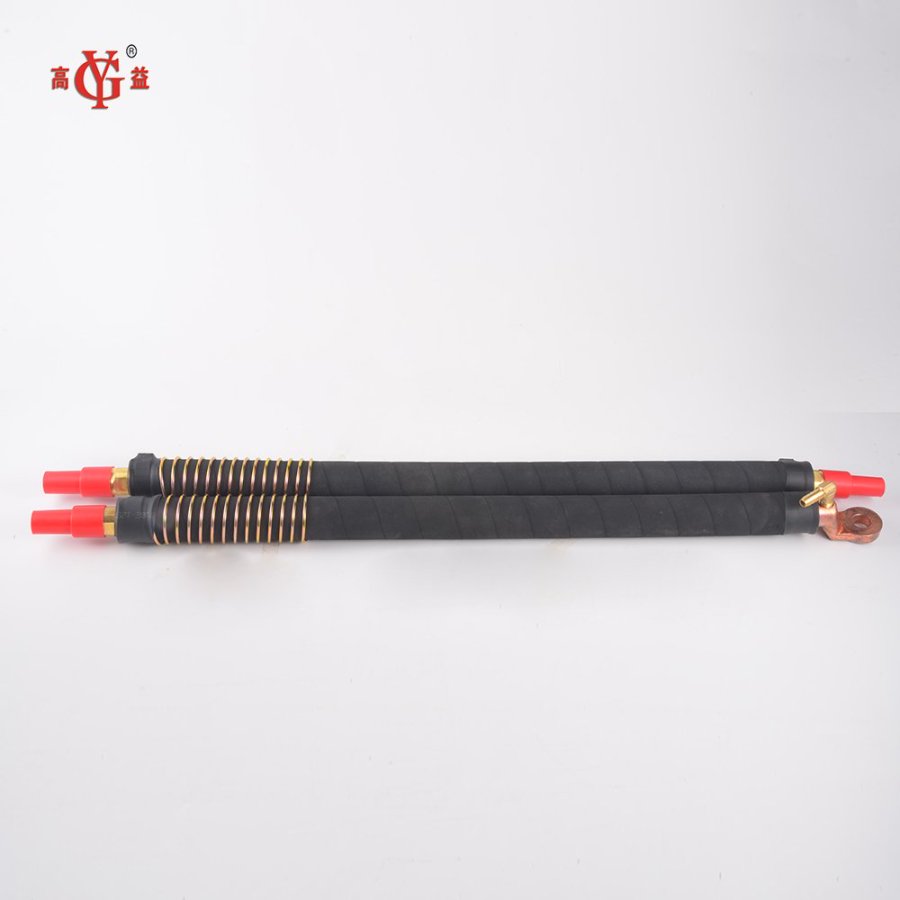
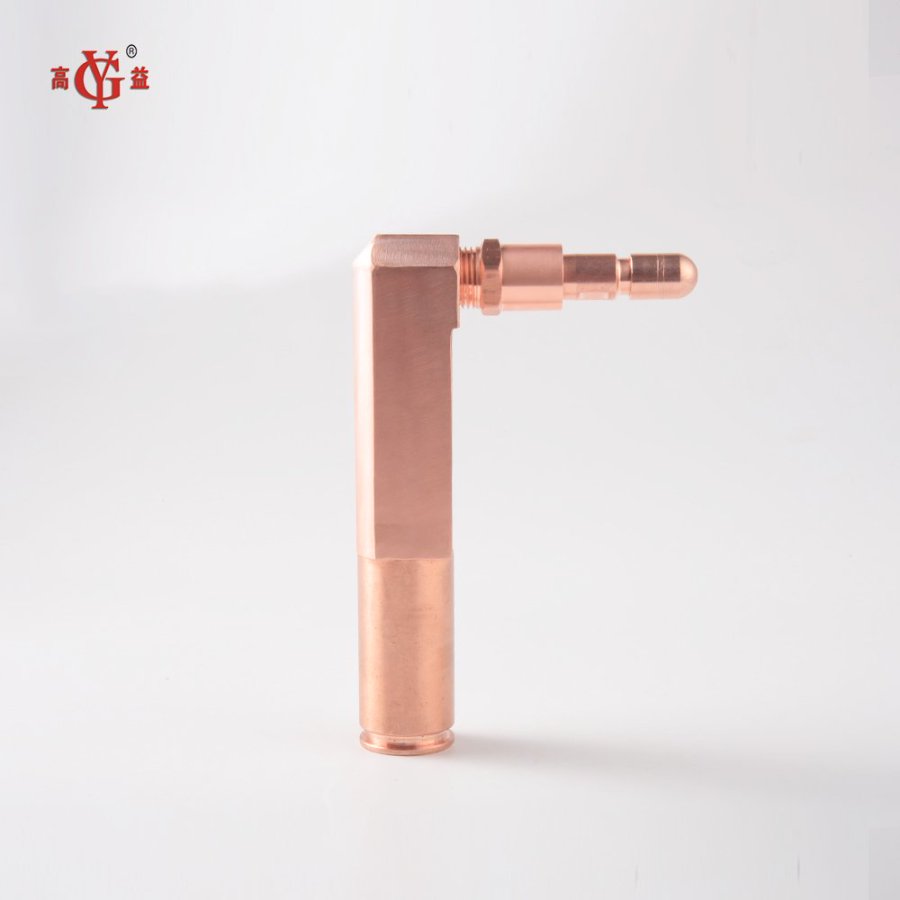
Electrode arms are the mechanical components that hold the welding electrodes in position and supply them with electrical energy. Their design and functionality significantly influence the welding process's quality and speed.
Key Functions of Electrode Arms
1. **Alignment**: Ensuring the electrodes are correctly positioned for optimal welding.
2. **Pressure Application**: Providing the necessary force to bring the metal surfaces into contact.
3. **Heat Transfer**: Facilitating efficient heat conduction from the electrodes to the workpieces.
Each of these functions is critical to achieving high-quality welds while minimizing production downtime.
Factors Influencing Production Efficiency
To maximize the impact of spot welding electrode arms on production efficiency, several factors must be considered:
1. Design and Ergonomics
The design of electrode arms should promote ease of use and accessibility, allowing operators to change electrodes quickly and perform maintenance with minimal downtime. Ergonomically designed arms reduce operator fatigue and enhance productivity.
2. Material Selection
The materials used in constructing electrode arms affect their durability and performance. High-conductivity copper alloys are typically preferred due to their excellent thermal and electrical conductivity, which contributes to efficient heat transfer and prolonged electrode life.
3. Maintenance Practices
Routine maintenance is essential for ensuring that electrode arms operate at peak efficiency. Regular inspection and servicing can prevent wear and tear, ensuring consistent weld quality and reducing the risk of production interruptions.
Benefits of Optimal Spot Welding Electrode Arms
Implementing well-designed electrode arms can lead to significant improvements in production efficiency. Here are some key benefits:
1. Enhanced Weld Quality
Optimized electrode arms ensure precise alignment and consistent pressure during the welding process. This results in stronger, more reliable welds, reducing the need for rework and scrap.
2. Increased Throughput
Efficient electrode arms enable faster welding cycles, increasing the number of welds completed in a given timeframe. This boost in throughput directly translates to higher production rates.
3. Reduced Downtime
A well-maintained electrode arm system minimizes breakdowns and production halts, leading to increased overall operational efficiency. By investing in quality components and maintenance, manufacturers can achieve significant cost savings.
Innovations in Electrode Arm Technology
As technology advances, so do the designs and capabilities of spot welding electrode arms. Innovations in materials and automation are transforming traditional welding practices.
Smart Electrode Arms
The emergence of smart technology in manufacturing has led to the development of **smart electrode arms** equipped with sensors that monitor the welding process in real-time. These sensors can detect issues such as electrode wear or misalignment, allowing for immediate corrective actions to maintain production efficiency.
Automated Welding Systems
Automation in welding processes is rapidly gaining traction. Automated electrode arms can adjust their position and pressure dynamically based on feedback from the welding machine, optimizing performance and reducing human error.
Training and Skills Development for Operators
Investing in training for operators is crucial for maximizing the benefits of advanced electrode arm technology. Skilled operators are better equipped to maintain equipment, troubleshoot issues, and implement best practices in the welding process.
1. Understanding Equipment Functionality
Operators should have a thorough understanding of how electrode arms function and their impact on welding quality and efficiency. Training programs can include hands-on workshops and simulations.
2. Emphasis on Safety Protocols
Safety is paramount in welding operations. Proper training ensures that operators follow safety protocols while handling equipment, reducing the likelihood of accidents and injuries.
Case Studies: Success Stories in Enhanced Production Efficiency
To illustrate the tangible benefits of optimized spot welding electrode arms, several case studies demonstrate how companies improved their production processes.
Case Study 1: Automotive Manufacturer
An automotive manufacturer implemented advanced electrode arms in their assembly line, resulting in a 25% increase in production efficiency. The new arms allowed for quicker electrode changes and reduced downtime caused by equipment failures.
Case Study 2: Electronics Industry
A company in the electronics sector enhanced their spot welding capabilities by introducing smart electrode arms. The integration of sensors allowed for real-time adjustments, leading to a 15% decrease in defective products and a 20% increase in overall throughput.
FAQs About Spot Welding Electrode Arms
1. What materials are commonly used for spot welding electrode arms?
Copper alloys are typically used due to their high thermal and electrical conductivity, which improves welding efficiency.
2. How often should electrode arms be maintained?
Regular maintenance should be performed at least once a month, with more frequent inspections during high-production periods.
3. Can automation improve spot welding efficiency?
Yes, automated systems can optimize the welding process by adjusting parameters in real-time, significantly enhancing production efficiency.
4. What are the signs of wear on electrode arms?
Common signs include inconsistent weld quality, increased cycle times, and visible damage to the electrodes.
5. How can I optimize my welding process with electrode arms?
Regular maintenance, proper training for operators, and the use of high-quality materials and designs can greatly enhance the efficiency of your welding process.
Conclusion
The impact of spot welding electrode arms on production efficiency cannot be overstated. By focusing on the design, material selection, and maintenance of these vital components, manufacturers can significantly enhance their welding processes. Innovations in technology, such as smart electrode arms and automation, offer exciting opportunities for improving efficiency further. Investing in operator training and embracing best practices will ensure that businesses remain competitive in an ever-evolving industry landscape. Ultimately, optimizing spot welding electrode arms is a crucial step toward achieving higher production efficiency and superior product quality.
TAG:
Related Posts
The Impact of Spot Welding Electrode Arms on Production Efficiency
The Impact of Spot Welding Electrode Arms on Production Efficiency
Introduction to Spot Welding Electrode Arms
Spot welding is a vital process in various manufacturing industries, particularly in electrical and automotive sectors. The efficiency of this process hinges not only on the welding machines themselves but also on the components that facilitate their operation. Among these components, **s