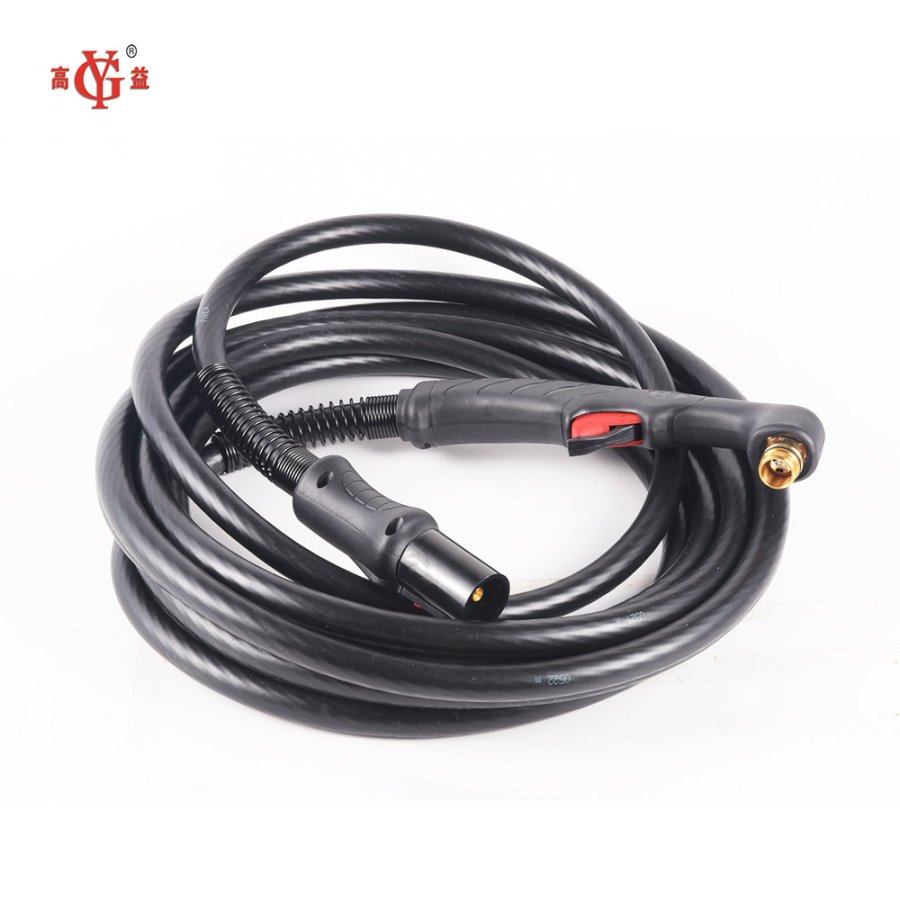

Troubleshooting Common Issues with Spot Welding Electrode Arms: A Comprehensive Guide
Jun 07,2026
Troubleshooting Common Issues with Spot Welding Electrode Arms: A Comprehensive Guide
Introduction to Spot Welding Electrode Arms
Spot welding is a critical process in the electrical and manufacturing industries, known for its ability to join metals quickly and efficiently. The heart of this process relies on the effective operation of electrode arms. Understanding common issues related to the
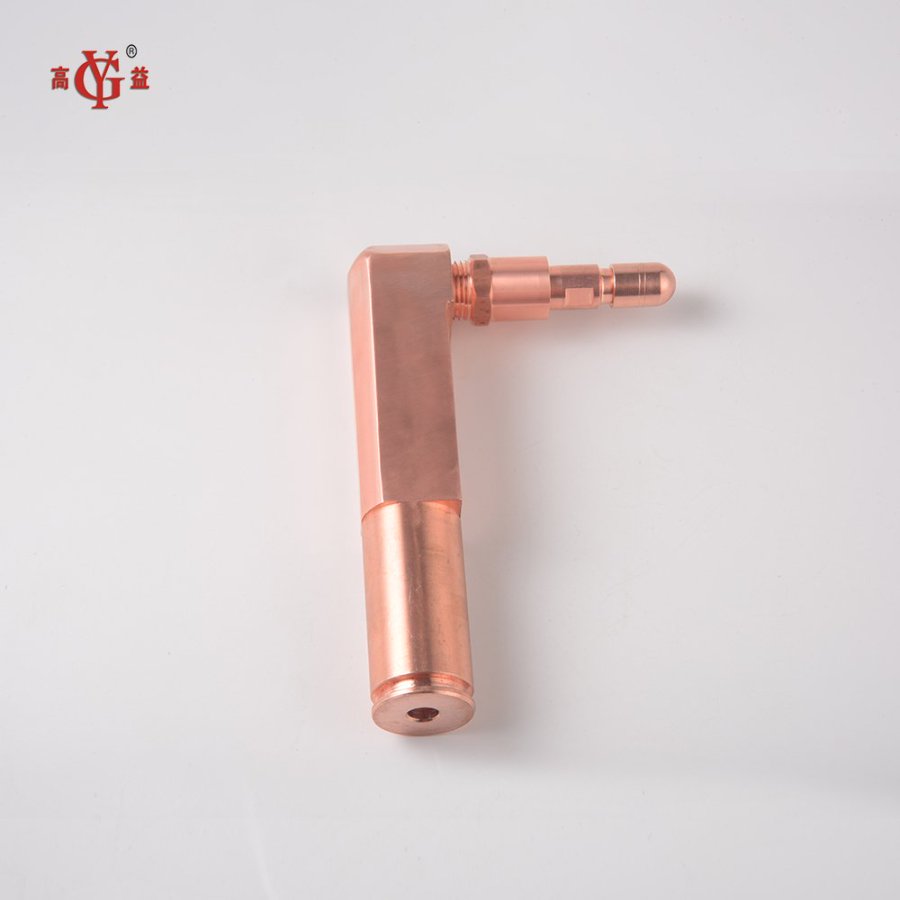
Troubleshooting Common Issues with Spot Welding Electrode Arms: A Comprehensive Guide
Introduction to Spot Welding Electrode Arms
Spot welding is a critical process in the electrical and manufacturing industries, known for its ability to join metals quickly and efficiently. The heart of this process relies on the effective operation of electrode arms. Understanding common issues related to these components not only enhances efficiency but also extends the lifespan of your welding equipment. In this guide, we delve into the troubleshooting techniques that can help resolve these issues, ensuring your spot welding operations run smoothly.
Understanding Spot Welding and Its Components
Spot welding involves the use of heat generated by an electrical current to join metal pieces. The fundamental components of a spot welding machine include:
Electrode Arms
The **electrode arms** are pivotal in delivering the required current and pressure to the workpieces. They are designed to hold the electrodes in place, ensuring accurate and consistent welds.
Electrodes
Electrodes are the parts that physically touch the metal pieces. They are typically made of copper or copper alloys due to their excellent conductivity.
Control System
The control system manages the electrical current and timing during the welding process, ensuring optimal fusion of the workpieces.
Common Issues with Spot Welding Electrode Arms
While spot welding is generally an efficient process, several issues can arise with electrode arms. Here are the most common problems and their solutions.
1. Uneven Pressure Application
**Symptoms:** Inconsistent weld quality, weak joints, or burn-through.
**Causes:** Worn-out springs, bent electrode arms, or misalignment.
**Solutions:** Regularly check the condition of the springs and replace them as necessary. Ensure that the arms are aligned correctly and adjust them to apply even pressure.
2. Excessive Wear on Electrodes
**Symptoms:** Increased spatter, inconsistent weld penetration, or poor weld appearance.
**Causes:** Incorrect electrode material, overheating, or improper maintenance.
**Solutions:** Use appropriate electrode materials for your specific welding applications. Implement a strict maintenance schedule to clean and inspect the electrodes frequently.
3. Electrical Issues
**Symptoms:** Inconsistent weld quality, unexpected machine shutdowns, or burn marks on the arms.
**Causes:** Loose connections, damaged wires, or improper grounding.
**Solutions:** Periodically inspect all electrical connections for security. Replace any worn-out wires and ensure that the machine is properly grounded.
4. Temperature Control Problems
**Symptoms:** Overheating, deformation of electrode arms, or burn marks on the metal pieces.
**Causes:** Incorrect current settings, prolonged welding times, or insufficient cooling.
**Solutions:** Monitor the current settings closely and adjust as needed. Incorporate cooling systems to maintain optimal temperatures during extended welding sessions.
5. Misalignment of Electrodes
**Symptoms:** Poor weld quality, inconsistent penetration, or damage to the workpieces.
**Causes:** Operator error, mechanical failure, or wear and tear.
**Solutions:** Regularly check the alignment of the electrodes and make adjustments to ensure they are positioned correctly before starting the welding process.
Best Practices for Maintaining Spot Welding Electrode Arms
Preventive maintenance is key to avoiding issues with spot welding electrode arms. Here are best practices to follow:
Routine Inspection and Maintenance
Conduct regular inspections of the electrode arms and associated components. Look for signs of wear, misalignment, or damage. Implement a maintenance schedule that includes cleaning and replacing worn parts.
Proper Training for Operators
Ensure that operators are properly trained in the use of spot welding equipment. Understanding the fundamentals of the welding process and the specific responsibilities related to the maintenance of electrode arms can prevent many common issues.
Utilization of Quality Materials
Invest in high-quality electrodes and components. Using subpar materials can lead to premature wear and increased operational issues.
Monitoring Work Conditions
Keep an eye on the work environment. Factors such as temperature, humidity, and dust can affect the performance of spot welding machines. Maintain a clean and controlled environment to ensure optimal functioning.
Adjustment of Welding Parameters
Regularly review and adjust the welding parameters such as time, pressure, and current according to the materials being welded. This will help in achieving better weld quality and prolonging the life of the electrode arms.
Frequently Asked Questions (FAQs)
1. What are the main causes of poor weld quality in spot welding?
Poor weld quality can stem from several factors, including incorrect electrode alignment, inadequate pressure application, insufficient cooling, and improper current settings.
2. How often should I inspect my spot welding machine?
It is recommended to conduct inspections on a weekly basis, with more detailed maintenance checks every month, depending on usage frequency.
3. Can I use different types of electrodes for the same welding job?
While it is technically possible, using different electrode types can lead to inconsistent welds. It's best to use electrodes specifically designed for the materials being welded.
4. How can I improve the lifespan of my electrode arms?
Regular maintenance, using quality materials, and proper operator training can significantly extend the lifespan of electrode arms.
5. What should I do if my electrode arms become misaligned during operation?
If misalignment occurs, immediately stop the welding process, realign the electrode arms, and resume only when you are certain they are correctly positioned.
Conclusion
Troubleshooting common issues with spot welding electrode arms is essential for maintaining operational efficiency and ensuring high-quality welds. By understanding the common challenges and implementing best practices for maintenance, manufacturers can minimize downtime and extend the life of their welding equipment. Regular inspections, proper operator training, and the use of quality materials are crucial steps in preventing problems before they arise. Stay proactive in your maintenance efforts, and your spot welding operations will thrive in productivity and reliability.
TAG:
Related Posts
Troubleshooting Common Issues with Spot Welding Electrode Arms: A Comprehensive Guide
Troubleshooting Common Issues with Spot Welding Electrode Arms: A Comprehensive Guide
Introduction to Spot Welding Electrode Arms
Spot welding is a critical process in the electrical and manufacturing industries, known for its ability to join metals quickly and efficiently. The heart of this process relies on the effective operation of electrode arms. Understanding common issues related to the