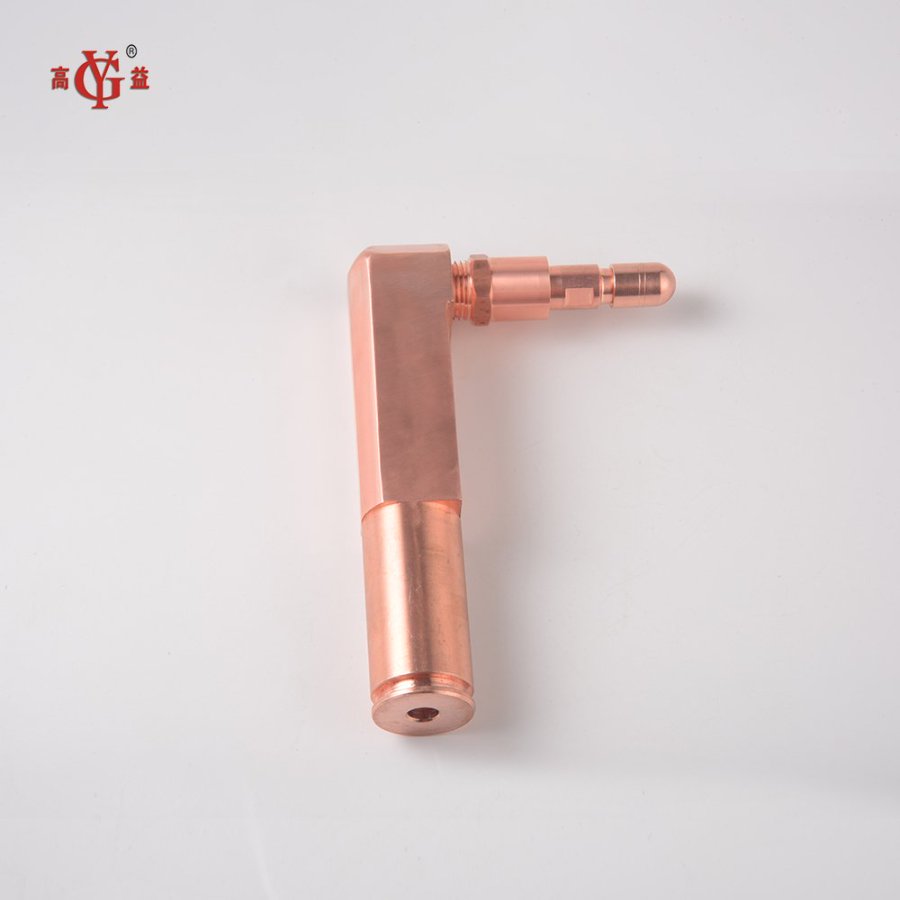

Enhancing Spot Welding Efficiency: The Role of Electrode Caps
Jun 08,2026
Spot welding is a widely used method in manufacturing, primarily for joining metal sheets. The efficiency and quality of spot welding heavily depend on the proper use of various components, one of which is the electrode cap. These caps play a crucial role in transferring electrical current to the workpieces, ensuring a consistent and effective weld.
**What are Spot Welding Electrode Caps?**
Spot w
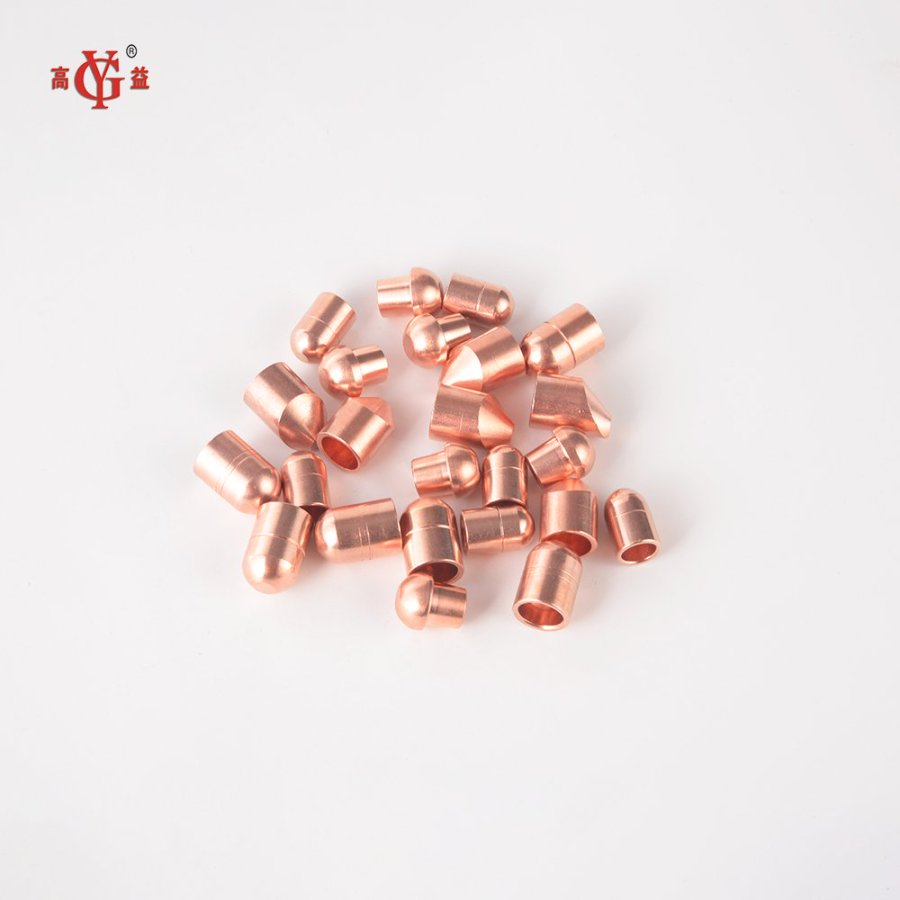
Spot welding is a widely used method in manufacturing, primarily for joining metal sheets. The efficiency and quality of spot welding heavily depend on the proper use of various components, one of which is the electrode cap. These caps play a crucial role in transferring electrical current to the workpieces, ensuring a consistent and effective weld.
**What are Spot Welding Electrode Caps?**
Spot welding electrode caps are protective covers attached to the tips of welding electrodes. They serve multiple functions, including reducing wear on the electrode tips, improving the heat distribution during the welding process, and helping to maintain a consistent weld quality. The material and design of these caps can significantly influence the overall performance of the welding operation.
**Types of Electrode Caps**
There are various types of spot welding electrode caps, each designed to suit specific applications. Common materials used for these caps include copper, which has excellent conductivity, and different alloys that can withstand high temperatures. Some caps are specifically designed for high-volume production, while others are optimized for precision welding tasks. It is essential to select the right type of electrode cap based on the welding requirements and the materials being joined.
**Best Practices for Using Electrode Caps**
1. **Regular Inspection:** Regularly check electrode caps for signs of wear or damage. Worn-out caps can lead to inconsistent welds and increased electrode tip wear.
2. **Proper Installation:** Ensure that electrode caps are correctly installed on the electrodes. Any misalignment can cause uneven current distribution, affecting the quality of the weld.
3. **Temperature Management:** Monitor the temperature during the welding process. Overheating can degrade the electrode cap material, leading to premature failure and potentially compromising the weld integrity.
4. **Compatibility:** Always verify that the electrode cap is compatible with the specific welding equipment and materials being used. Mismatched components can hinder performance and result in substandard welds.
5. **Maintenance:** Implement a regular maintenance routine for your welding equipment. Proper care of electrode caps and other components can extend their lifespan and improve overall welding efficiency.
In conclusion, spot welding electrode caps are an indispensable aspect of the welding process that should not be overlooked. By understanding their significance, types, and best practices, professionals in the electrical engineering and welding sectors can enhance their operations, resulting in higher quality welds and improved productivity. Prioritizing the selection and maintenance of electrode caps is essential for anyone looking to optimize their welding performance.
**What are Spot Welding Electrode Caps?**
Spot welding electrode caps are protective covers attached to the tips of welding electrodes. They serve multiple functions, including reducing wear on the electrode tips, improving the heat distribution during the welding process, and helping to maintain a consistent weld quality. The material and design of these caps can significantly influence the overall performance of the welding operation.
**Types of Electrode Caps**
There are various types of spot welding electrode caps, each designed to suit specific applications. Common materials used for these caps include copper, which has excellent conductivity, and different alloys that can withstand high temperatures. Some caps are specifically designed for high-volume production, while others are optimized for precision welding tasks. It is essential to select the right type of electrode cap based on the welding requirements and the materials being joined.
**Best Practices for Using Electrode Caps**
1. **Regular Inspection:** Regularly check electrode caps for signs of wear or damage. Worn-out caps can lead to inconsistent welds and increased electrode tip wear.
2. **Proper Installation:** Ensure that electrode caps are correctly installed on the electrodes. Any misalignment can cause uneven current distribution, affecting the quality of the weld.
3. **Temperature Management:** Monitor the temperature during the welding process. Overheating can degrade the electrode cap material, leading to premature failure and potentially compromising the weld integrity.
4. **Compatibility:** Always verify that the electrode cap is compatible with the specific welding equipment and materials being used. Mismatched components can hinder performance and result in substandard welds.
5. **Maintenance:** Implement a regular maintenance routine for your welding equipment. Proper care of electrode caps and other components can extend their lifespan and improve overall welding efficiency.
In conclusion, spot welding electrode caps are an indispensable aspect of the welding process that should not be overlooked. By understanding their significance, types, and best practices, professionals in the electrical engineering and welding sectors can enhance their operations, resulting in higher quality welds and improved productivity. Prioritizing the selection and maintenance of electrode caps is essential for anyone looking to optimize their welding performance.
TAG:
Previous
Related Posts
Enhancing Spot Welding Efficiency: The Role of Electrode Caps
Spot welding is a widely used method in manufacturing, primarily for joining metal sheets. The efficiency and quality of spot welding heavily depend on the proper use of various components, one of which is the electrode cap. These caps play a crucial role in transferring electrical current to the workpieces, ensuring a consistent and effective weld.
**What are Spot Welding Electrode Caps?**
Spot w