
The Impact of Wire Feeders on MIG Welding Quality: A Comprehensive Guide
Jun 09,2026
The Impact of Wire Feeders on MIG Welding Quality
Table of Contents
1. Introduction to MIG Welding and Wire Feeders
2. Understanding Wire Feeders
2.1 Types of Wire Feeders
2.2 Components of Wire Feeders
3. The Importance of Wire Feeders in MIG Welding
4. Effects of Wire Feeders on Welding Quality
4.1 Consistent Wi
The Impact of Wire Feeders on MIG Welding Quality
Table of Contents
- 1. Introduction to MIG Welding and Wire Feeders
- 2. Understanding Wire Feeders
- 3. The Importance of Wire Feeders in MIG Welding
- 4. Effects of Wire Feeders on Welding Quality
- 5. Best Practices for Using Wire Feeders
- 6. Maintenance Tips for Wire Feeders
- 7. Common Challenges in Wire Feeder Performance
- 8. Conclusion
- 9. FAQs
1. Introduction to MIG Welding and Wire Feeders
MIG welding, or Metal Inert Gas welding, is a widely used welding process that employs a continuous wire feed to create a strong bond between metals. Wire feeders are essential components in MIG welding systems, responsible for delivering the welding wire to the arc. The performance and quality of MIG welding largely depend on the efficiency of these wire feeders. This article delves into the various aspects of wire feeders and their significant impact on the quality of MIG welding.
2. Understanding Wire Feeders
2.1 Types of Wire Feeders
Wire feeders come in various types, each designed to meet specific welding requirements. The most common types include:
- **Classic Wire Feeders**: These are the standard feeders that use rollers to feed the wire consistently. They are suitable for most MIG welding applications.
- **Push-Pull Feeders**: These feeders are designed for more complex applications, especially when welding aluminum or other soft materials. They consist of a push mechanism at the welding machine and a pull mechanism at the torch.
- **Dual-Groove Feeders**: These feeders accommodate different wire sizes and types, allowing flexibility in welding projects.
2.2 Components of Wire Feeders
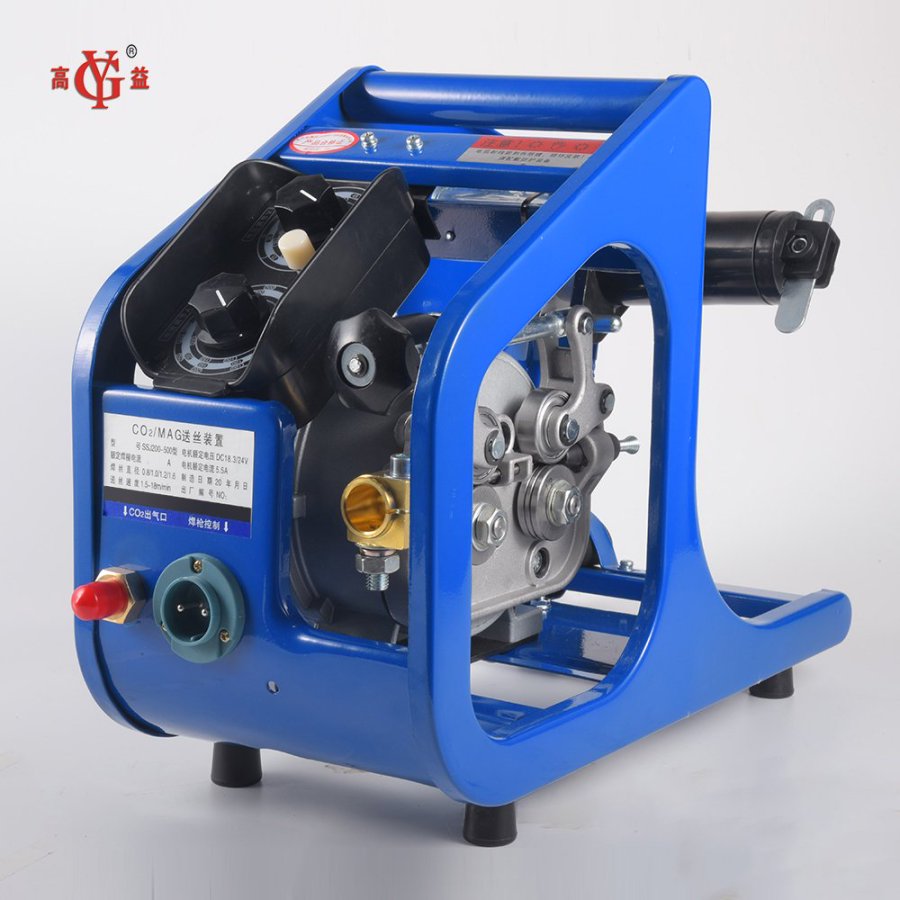
Understanding the components of wire feeders is key to maximizing their performance. Key components include:
- **Drive Rollers**: These rollers grip the wire and feed it through the system. The choice of drive roller—flat or grooved—depends on the wire type.
- **Guides**: Wire guides direct the wire flow and help prevent tangling or knotting.
- **Control Systems**: Modern wire feeders have electronic controls that allow for precise adjustments to wire speed and tension.
3. The Importance of Wire Feeders in MIG Welding
Wire feeders play a vital role in ensuring that the welding wire reaches the weld pool with the correct speed and tension. This affects the heat input, penetration, and overall weld quality. A well-functioning wire feeder contributes to:
- **Increased Productivity**: Consistent wire feeding reduces downtime and improves overall efficiency.
- **Better Weld Quality**: The quality of the weld is directly linked to the stability of the wire feed. A reliable feeder minimizes defects such as porosity and undercuts.
- **User Comfort**: Proper wire feeding reduces the physical strain on the welder, allowing them to focus on technique rather than troubleshooting equipment issues.
4. Effects of Wire Feeders on Welding Quality
4.1 Consistent Wire Speed
A wire feeder’s ability to maintain consistent wire speed is crucial. Variations in wire speed can lead to inconsistent welds, affecting the overall aesthetic and structural integrity of the weld. A precise wire speed ensures:
- **Uniform Bead Appearance**: Consistent feeding leads to a smooth and uniform bead, enhancing the visual appeal of the weld.
- **Controlled Heat Input**: Proper wire speed allows for optimal heat management, reducing the risk of overheating or underheating the workpieces.
4.2 Improved Arc Stability
The quality of the arc produced during MIG welding is directly influenced by the wire feeder. An effective wire feeder contributes to:
- **Stable Arc**: A consistent wire feed helps maintain a stable arc, which is essential for achieving high-quality welds.
- **Reduced Spatter**: Improved arc stability leads to less spatter, which simplifies post-welding cleanup and enhances overall efficiency.
5. Best Practices for Using Wire Feeders
To maximize the benefits of wire feeders, consider the following best practices:
- **Regular Calibration**: Ensure that the wire feed speed is regularly calibrated to match welding requirements.
- **Choose the Right Wire**: Selecting the appropriate wire type and diameter based on the material and application can significantly impact results.
- **Monitor Tension Settings**: Adjust the tension settings on the drive rollers to prevent slippage or over-compression of the wire.
6. Maintenance Tips for Wire Feeders
Proper maintenance of wire feeders is essential for their longevity and performance. Here are some maintenance tips:
- **Keep it Clean**: Regularly clean the wire feeder to remove dust, debris, and spatter that can affect performance.
- **Inspect Components**: Periodically check components such as drive rollers and guides for wear and tear. Replace defective parts as necessary.
- **Lubricate Moving Parts**: Ensure that moving components are adequately lubricated to reduce friction and wear.
7. Common Challenges in Wire Feeder Performance
Despite their importance, wire feeders can encounter various challenges. Some common issues include:
- **Wire Jamming**: This can occur due to improper alignment or incorrect tension settings. Regular checks can help prevent this issue.
- **Inconsistent Feed**: Variability in wire feed can arise from worn rollers or incorrect wire type. Regular maintenance is key to addressing this.
- **Overheating**: Continuous operation at high speeds can lead to overheating, affecting the quality of the weld. Monitoring operational parameters can mitigate this risk.
8. Conclusion
Wire feeders are indispensable tools in the MIG welding process, directly influencing the quality and consistency of the weld. By understanding their functions, types, and best practices, welders can significantly enhance their welding outcomes. Regular maintenance and awareness of common challenges ensure that wire feeders perform optimally, resulting in high-quality and durable welds.
9. FAQs
1. What is the primary function of a wire feeder in MIG welding?
The primary function of a wire feeder in MIG welding is to deliver a consistent supply of welding wire to the welding arc, ensuring stable and high-quality welds.
2. How does wire speed affect MIG welding quality?
Wire speed directly affects the heat input and penetration of the weld. Consistent wire speed results in uniform welds with better structural integrity.
3. What maintenance is required for wire feeders?
Regular cleaning, inspecting components for wear, and lubricating moving parts are essential maintenance tasks for wire feeders.
4. Can I use different types of wire with the same wire feeder?
Yes, but it's important to ensure that the wire feeder is compatible with the wire type and size to avoid feeding issues.
5. What are the signs of a malfunctioning wire feeder?
Common signs include inconsistent wire feed, jamming, abnormal noises, and spatter during welding. Regular checks can help identify these issues early.
By ensuring the optimal performance of wire feeders, welders can achieve exceptional results, enhancing not only their productivity but also the quality of their work.
TAG:
Previous:
Related Posts
The Impact of Wire Feeders on MIG Welding Quality: A Comprehensive Guide
The Impact of Wire Feeders on MIG Welding Quality
Table of Contents
1. Introduction to MIG Welding and Wire Feeders
2. Understanding Wire Feeders
2.1 Types of Wire Feeders
2.2 Components of Wire Feeders
3. The Importance of Wire Feeders in MIG Welding
4. Effects of Wire Feeders on Welding Quality
4.1 Consistent Wi