
Essential Guide to MIG Welding Torches: Best Practices for Professionals
Jun 02,2026
MIG (Metal Inert Gas) welding is a widely used process in the metal fabrication industry, known for its versatility and efficiency. One of the critical components of a MIG welding setup is the MIG welding torch, which plays a vital role in delivering the welding wire and shielding gas to the workpiece. Understanding the intricacies of MIG welding torches is essential for any welding professional l
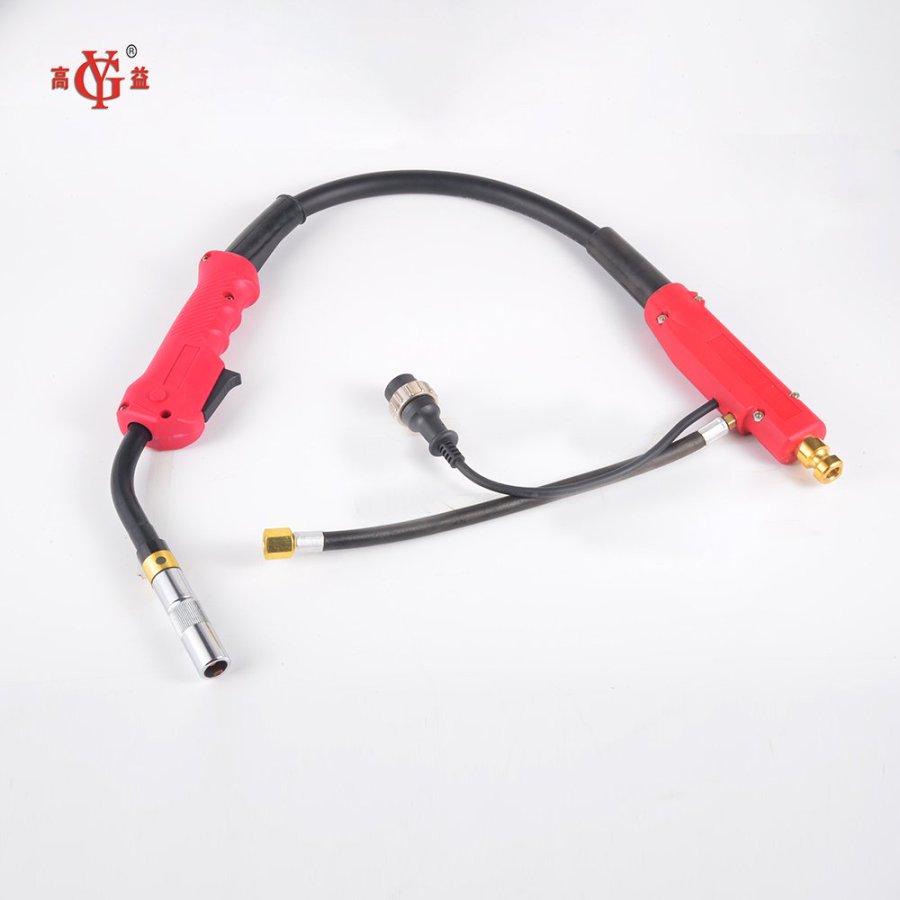
MIG (Metal Inert Gas) welding is a widely used process in the metal fabrication industry, known for its versatility and efficiency. One of the critical components of a MIG welding setup is the MIG welding torch, which plays a vital role in delivering the welding wire and shielding gas to the workpiece. Understanding the intricacies of MIG welding torches is essential for any welding professional looking to improve their skills and ensure high-quality welds.
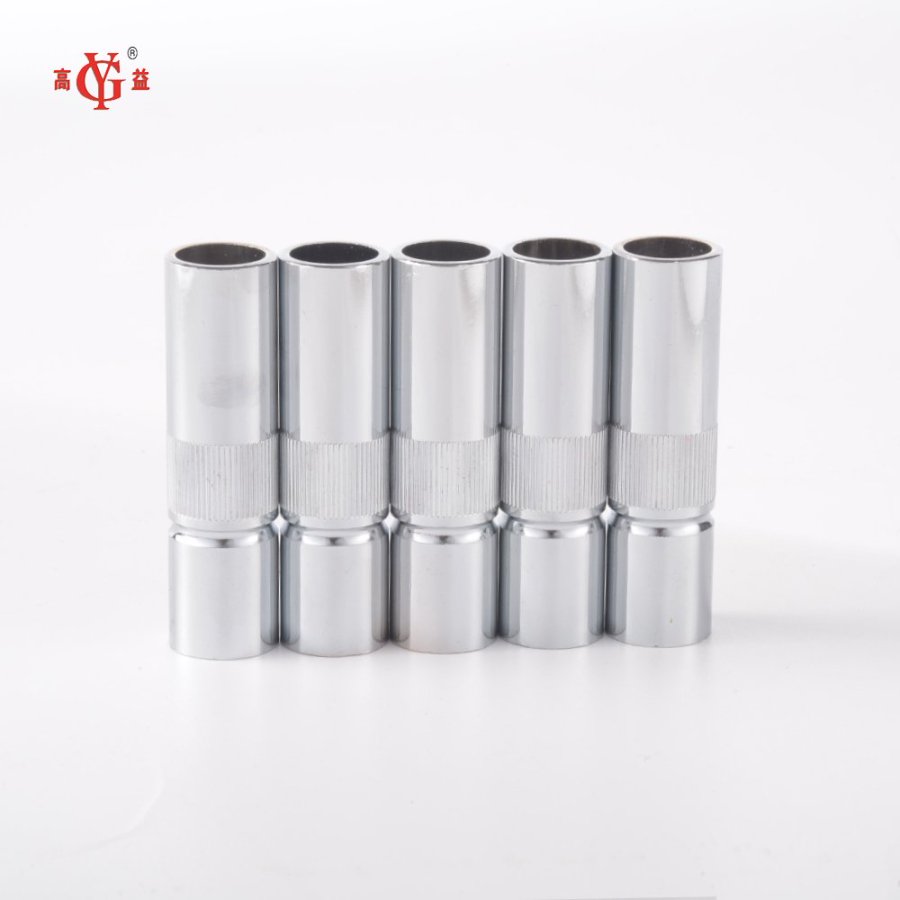
A typical MIG welding torch consists of several essential parts: the nozzle, contact tip, diffuser, and trigger. The nozzle is responsible for directing the shielding gas around the weld pool, protecting it from contamination. The contact tip conducts the electrical current to the welding wire, creating the arc that melts the wire and base metal. Regular inspection and cleaning of these components are crucial for maintaining effective performance. Over time, contact tips can wear out due to heat and spatter build-up, necessitating timely replacement to avoid compromised weld quality.
One of the most significant factors affecting the performance of a MIG welding torch is the selection of the appropriate shielding gas. Common options include a mix of argon and carbon dioxide or pure argon for different applications. The choice of shielding gas can influence the arc stability, penetration, and overall appearance of the weld. Professionals should experiment with various gas mixtures to determine the best fit for their specific welding requirements.
Proper torch maintenance is another critical aspect of ensuring optimal performance. It's essential to keep the torch and its components clean and free from spatter. Regularly checking for leaks in the gas supply line and ensuring that the connections are tight can prevent gas loss and maintain consistent shielding. Additionally, keeping the welding area clean and organized reduces the chances of contaminants affecting the welding process.
When using a MIG welding torch, understanding the correct settings for voltage, wire feed speed, and travel speed is paramount. These parameters should be adjusted based on the material thickness, type, and position of the weld. Professionals should refer to the manufacturer's guidelines or conduct test welds to fine-tune these settings for optimal results.
In summary, mastering the use of MIG welding torches is crucial for professionals in the welding industry. By understanding the torch components, selecting the right shielding gas, performing regular maintenance, and optimizing welding parameters, welders can enhance their skills and produce high-quality welds. Continuous education and practice in these areas will not only improve productivity but also promote a safer working environment.
A typical MIG welding torch consists of several essential parts: the nozzle, contact tip, diffuser, and trigger. The nozzle is responsible for directing the shielding gas around the weld pool, protecting it from contamination. The contact tip conducts the electrical current to the welding wire, creating the arc that melts the wire and base metal. Regular inspection and cleaning of these components are crucial for maintaining effective performance. Over time, contact tips can wear out due to heat and spatter build-up, necessitating timely replacement to avoid compromised weld quality.
One of the most significant factors affecting the performance of a MIG welding torch is the selection of the appropriate shielding gas. Common options include a mix of argon and carbon dioxide or pure argon for different applications. The choice of shielding gas can influence the arc stability, penetration, and overall appearance of the weld. Professionals should experiment with various gas mixtures to determine the best fit for their specific welding requirements.
Proper torch maintenance is another critical aspect of ensuring optimal performance. It's essential to keep the torch and its components clean and free from spatter. Regularly checking for leaks in the gas supply line and ensuring that the connections are tight can prevent gas loss and maintain consistent shielding. Additionally, keeping the welding area clean and organized reduces the chances of contaminants affecting the welding process.
When using a MIG welding torch, understanding the correct settings for voltage, wire feed speed, and travel speed is paramount. These parameters should be adjusted based on the material thickness, type, and position of the weld. Professionals should refer to the manufacturer's guidelines or conduct test welds to fine-tune these settings for optimal results.
In summary, mastering the use of MIG welding torches is crucial for professionals in the welding industry. By understanding the torch components, selecting the right shielding gas, performing regular maintenance, and optimizing welding parameters, welders can enhance their skills and produce high-quality welds. Continuous education and practice in these areas will not only improve productivity but also promote a safer working environment.
TAG:
Previous:
Related Posts
Essential Guide to MIG Welding Torches: Best Practices for Professionals
MIG (Metal Inert Gas) welding is a widely used process in the metal fabrication industry, known for its versatility and efficiency. One of the critical components of a MIG welding setup is the MIG welding torch, which plays a vital role in delivering the welding wire and shielding gas to the workpiece. Understanding the intricacies of MIG welding torches is essential for any welding professional l