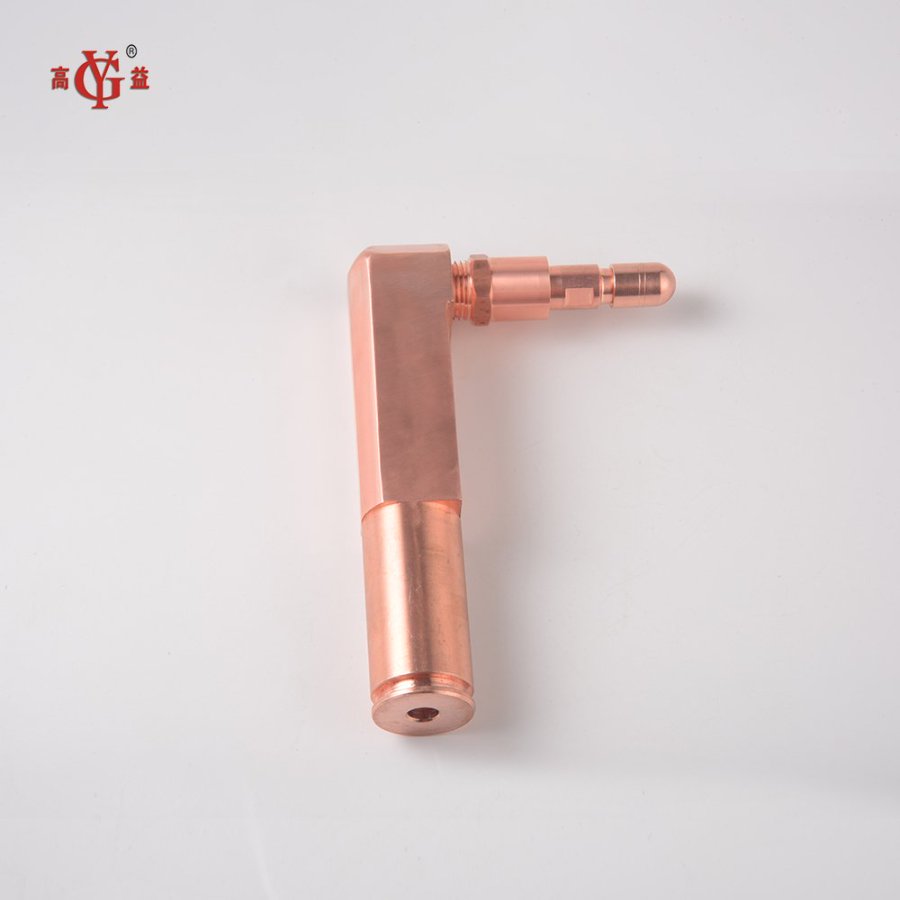

Spot Welding Electrode Cap Maintenance: Keep Your Equipment at Peak Performance
May 30,2026
Spot Welding Electrode Cap Maintenance: Keep Your Equipment at Peak Performance
Table of Contents
1. Understanding Spot Welding Electrode Caps
2. The Importance of Electrode Cap Maintenance
3. Common Problems with Electrode Caps
4. Signs Your Electrode Cap Needs Maintenance
5. Step-by-Step Maintenance Guide
5.1 Cleaning Electrode Caps
5.2 Check

Spot Welding Electrode Cap Maintenance: Keep Your Equipment at Peak Performance
Table of Contents
- 1. Understanding Spot Welding Electrode Caps
- 2. The Importance of Electrode Cap Maintenance
- 3. Common Problems with Electrode Caps
- 4. Signs Your Electrode Cap Needs Maintenance
- 5. Step-by-Step Maintenance Guide
- 6. Tips for Optimizing Electrode Cap Lifespan
- 7. Best Practices for Electrode Cap Storage
- 8. Frequently Asked Questions
- 9. Conclusion
1. Understanding Spot Welding Electrode Caps
Spot welding is a widely used technique in various industries, particularly in automotive manufacturing and metal fabrication. At the heart of this process are the **spot welding electrode caps**, which play a crucial role in establishing electrical contact and facilitating the welding of materials. These caps are typically made from copper or copper alloys due to their excellent electrical conductivity and thermal properties.
Electrode caps come in various designs and sizes tailored to specific applications. They are responsible for focusing the welding current on the workpieces, ensuring that a strong, consistent weld is achieved. Understanding the function and importance of these components is vital for maintaining equipment performance and quality in welding operations.
2. The Importance of Electrode Cap Maintenance
Maintaining spot welding electrode caps is not just about prolonging their lifespan; it directly impacts the quality and consistency of welds produced. Neglecting maintenance can lead to several issues, including:
- **Inconsistent Weld Quality**: Contaminants or wear on electrode caps can cause uneven heat distribution, leading to weak or defective welds.
- **Increased Downtime**: Frequent failures or replacements will disrupt production schedules, resulting in lost time and potential financial losses.
- **Higher Operational Costs**: Using worn or damaged electrode caps may necessitate additional energy consumption to achieve desired results, increasing operational expenses.
By prioritizing electrode cap maintenance, organizations can ensure optimal performance and reliability, ultimately leading to improved productivity and reduced operational costs.
3. Common Problems with Electrode Caps
Understanding the common issues associated with spot welding electrode caps is essential for effective maintenance. Here are several prevalent problems:
- **Contamination**: Oil, grease, and metal debris can accumulate on electrode caps, impeding electrical contact and heat transfer.
- **Wear and Tear**: Over time, electrode caps can experience physical wear due to repeated heating and cooling cycles, resulting in reduced performance.
- **Cracking**: Excessive heat or improper handling can lead to cracking, compromising the integrity of the electrode cap.
- **Buildup of Oxides**: The formation of oxides on the surface of electrode caps can hinder electrical conductivity, negatively affecting weld quality.
Being aware of these issues allows welders and maintenance personnel to take proactive measures to ensure the longevity and effectiveness of the equipment.
4. Signs Your Electrode Cap Needs Maintenance
Regular inspections are crucial for identifying when electrode caps require maintenance. Look for the following signs:
- **Diminished Weld Quality**: If welds show inconsistencies or defects, it may indicate that the electrode caps need attention.
- **Visible Damage**: Cracks, chips, or significant wear on the cap surface are clear indicators that maintenance or replacement is necessary.
- **Increased Electrical Resistance**: If you notice a spike in electrical resistance readings, it could suggest contamination or oxide buildup on the caps.
- **Frequent Electrical Shorting**: If machining processes lead to short circuits, inspecting the electrode caps for wear and damage is essential.
Recognizing these signs early can mitigate potential issues before they escalate into more significant problems.
5. Step-by-Step Maintenance Guide
Proper maintenance of spot welding electrode caps involves several key steps. Below is a comprehensive guide to ensure your caps remain in optimal condition.
5.1 Cleaning Electrode Caps
Cleaning is a fundamental aspect of electrode cap maintenance. Follow these steps:
1. **Gather Cleaning Supplies**: Obtain a soft cloth, non-abrasive cleaning solution, and a wire brush or scraper for stubborn residues.
2. **Remove Contaminants**: Using the cloth and cleaning solution, wipe away any oil, grease, or debris from the surface of the caps. For tough residues, gently scrub with the wire brush.
3. **Inspect for Residue**: Thoroughly check the surface after cleaning to ensure all contaminants have been removed, as even small particles can impact performance.
4. **Dry the Caps**: Ensure the caps are completely dry before reinstallation to prevent moisture-related issues.
5.2 Checking for Wear and Tear
Regularly inspect electrode caps for signs of wear. Here’s how to perform a thorough examination:
1. **Visual Inspection**: Look for cracks, chips, or significant wear that could affect performance.
2. **Use a Micrometer**: Measure the thickness of the electrode cap. If the thickness has reduced significantly, it may be time for a replacement.
3. **Check Surface Smoothness**: Ensure the surface is flat and smooth, as irregularities can lead to inconsistent welds.
5.3 Replacing Electrode Caps
When cleaning and inspecting indicate that replacement is necessary, follow these steps:
1. **Turn Off Equipment**: Always ensure that the welding machine is powered down before attempting to replace electrode caps.
2. **Loosen Existing Caps**: Use the appropriate tools to carefully remove the old caps without damaging the underlying components.
3. **Install New Caps**: Affix the new electrode caps securely, ensuring they are properly aligned and tightened.
4. **Test the Setup**: After replacement, conduct a few trial welds to ensure quality and performance are at desired levels.
6. Tips for Optimizing Electrode Cap Lifespan
Extending the lifespan of electrode caps involves a combination of proper use, maintenance, and operational practices. Consider the following tips:
- **Use Appropriate Settings**: Ensure that welding parameters are correctly adjusted for the materials being welded to prevent excessive wear on the caps.
- **Minimize Overheating**: Avoid prolonged welding sessions at high currents, as this can lead to rapid wear and degradation.
- **Regularly Rotate Caps**: If using multiple caps, rotate them to distribute wear evenly and prolong their overall usability.
- **Educate Operators**: Train operators on best practices for handling and maintaining electrode caps to avoid unnecessary damage.
7. Best Practices for Electrode Cap Storage
Proper storage of electrode caps when not in use can significantly impact their lifespan. Follow these best practices:
- **Store in a Clean Environment**: Ensure storage areas are free from dust, moisture, and chemicals that could degrade the caps.
- **Use Protective Cases**: Store electrode caps in protective cases or containers to prevent physical damage during handling or transport.
- **Label Properly**: If storing multiple types or sizes, label storage areas clearly to facilitate easy identification and access.
8. Frequently Asked Questions
1. How often should I clean my electrode caps?
It’s recommended to clean electrode caps after every shift or production run to ensure optimal performance and to prevent contamination buildup.
2. What is the lifespan of a typical electrode cap?
The lifespan of an electrode cap varies based on usage, maintenance, and operational conditions, but generally, they can last anywhere from several weeks to several months with proper care.
3. Can I use any cleaning solution for electrode caps?
It’s best to use non-abrasive cleaning solutions specifically designed for welding equipment, as harsh chemicals can damage the caps.
4. What should I do if my electrode cap is damaged?
If you identify damage during inspection, replace the electrode cap immediately to ensure consistent weld quality and to prevent further issues.
5. How can I tell if my electrode caps are suitable for my welding process?
Consult the specifications of your welding machine and the materials you are working with. It’s essential to choose electrode caps that match the required electrical and thermal properties for your application.
9. Conclusion
Maintaining spot welding electrode caps is vital for ensuring peak performance and the longevity of your welding equipment. By following effective cleaning, inspection, and replacement practices, along with proper storage techniques, you can significantly enhance the efficiency of your welding operations. Prioritizing maintenance not only leads to improved weld quality but also reduces downtime and operational costs. Implementing these strategies will keep your equipment running smoothly, ensuring you achieve the best results in your welding projects.
TAG:
Related Posts
Spot Welding Electrode Cap Maintenance: Keep Your Equipment at Peak Performance
Spot Welding Electrode Cap Maintenance: Keep Your Equipment at Peak Performance
Table of Contents
1. Understanding Spot Welding Electrode Caps
2. The Importance of Electrode Cap Maintenance
3. Common Problems with Electrode Caps
4. Signs Your Electrode Cap Needs Maintenance
5. Step-by-Step Maintenance Guide
5.1 Cleaning Electrode Caps
5.2 Check