
A Beginner’s Guide to Welding Torch Nozzles and Their Uses
Jun 01,2026
A Comprehensive Guide to Welding Torch Nozzles and Their Uses
Table of Contents
What Are Welding Torch Nozzles?
Types of Welding Torch Nozzles
Standard Nozzles
Flame Retardant Nozzles
Ceramic Nozzles
Applications of Welding Torch Nozzles
How to Choose the Right Welding Torch Nozzle
Maintenance of Welding Torch Nozzles
S
A Comprehensive Guide to Welding Torch Nozzles and Their Uses
Table of Contents
- What Are Welding Torch Nozzles?
- Types of Welding Torch Nozzles
- Applications of Welding Torch Nozzles
- How to Choose the Right Welding Torch Nozzle
- Maintenance of Welding Torch Nozzles
- Safety Tips When Using Welding Torch Nozzles
- Common Mistakes to Avoid
- FAQs
What Are Welding Torch Nozzles?
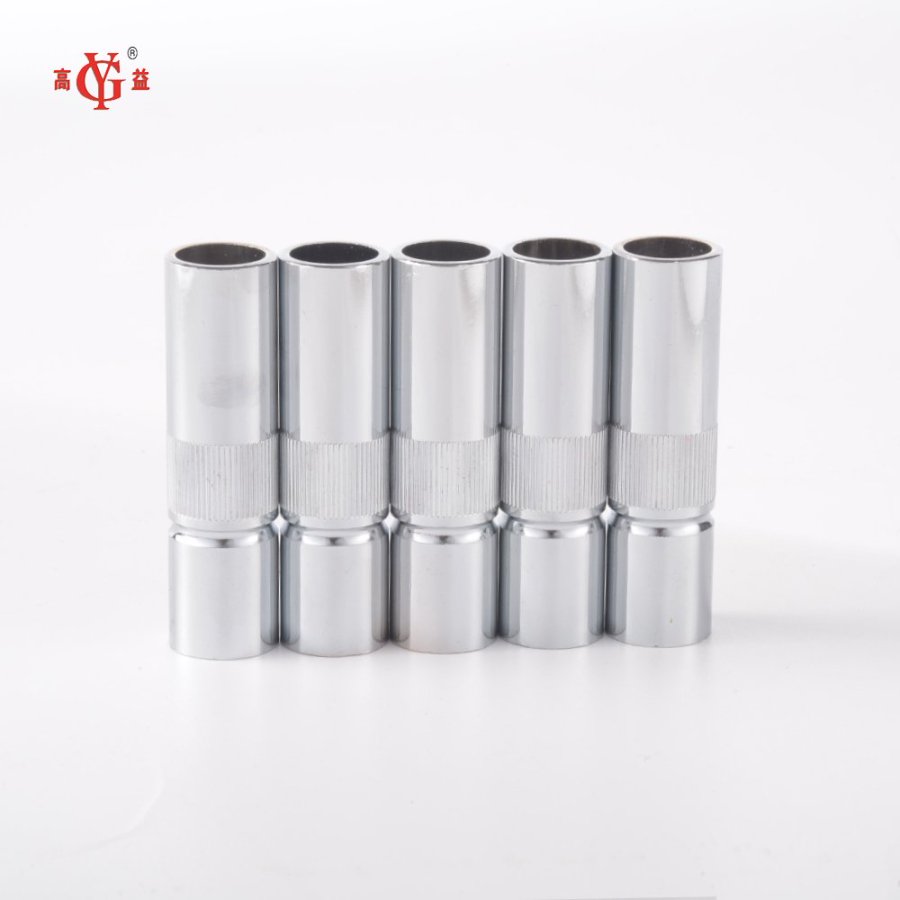
Welding torch nozzles are crucial components of welding equipment, designed to direct the flow of gas or plasma during the welding process. They play a vital role in determining the quality of the weld, as they influence the heat output, shielding gas coverage, and overall weld pool characteristics. Selecting the appropriate nozzle can significantly enhance the efficiency and effectiveness of your welding tasks.
Types of Welding Torch Nozzles
Understanding the different types of welding torch nozzles can help you make informed decisions for your specific applications.
Standard Nozzles
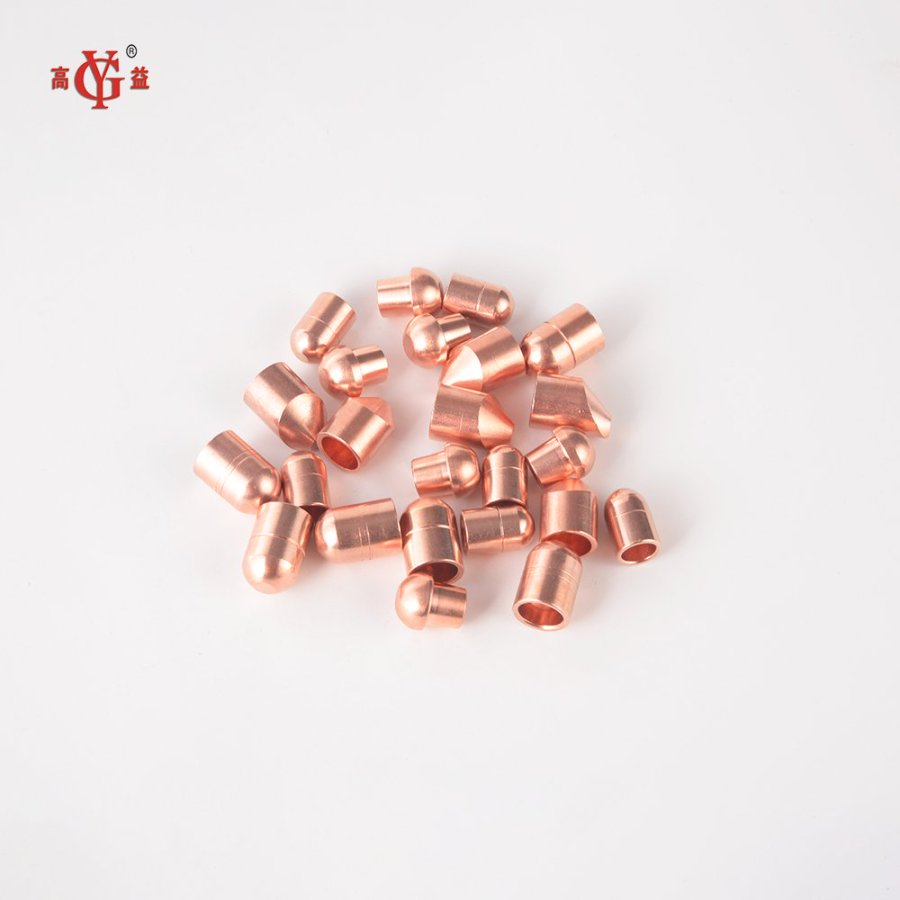
Standard nozzles are the most commonly used type in various welding applications. They come in various sizes and shapes, allowing welders to adapt to different projects. These nozzles are typically made of copper or brass and provide excellent thermal conductivity, which is essential for effective heat transfer during welding.
Flame Retardant Nozzles
Flame retardant nozzles are designed to withstand high temperatures and resist wear. They are often used in applications where extreme heat is a factor, such as in heavy-duty welding projects. Made from specialized materials, these nozzles can improve durability and extend the life of your welding equipment.
Ceramic Nozzles
Ceramic nozzles are designed for specific applications that require a high degree of precision. They are often used in TIG welding, where a fine, concentrated flame is necessary. The ceramic material can withstand intense heat and provide excellent thermal insulation, making these nozzles an ideal choice for professional welders.
Applications of Welding Torch Nozzles
Welding torch nozzles find applications across various industries, including:
- **Automotive Repair:** Nozzles are essential for welding metal parts in vehicle bodywork.
- **Construction:** In building infrastructure, welding nozzles help join metal beams and frameworks.
- **Manufacturing:** In manufacturing processes, nozzles are used to weld components in machinery and equipment assembly.
- **Artistic Metalworking:** Artists utilize welding nozzles to create intricate metal sculptures and designs.
Each application may require a specific type of nozzle, depending on the materials being welded and the desired outcome of the weld.
How to Choose the Right Welding Torch Nozzle
Selecting the right welding torch nozzle can be daunting, especially for beginners. Here are some essential factors to consider:
1. **Type of Welding Process:** Determine whether you're using MIG, TIG, or stick welding, as each technique may require different nozzle types.
2. **Material Thickness:** Consider the thickness of the materials you’ll be welding. Thicker materials may require larger nozzles for better gas coverage and heat distribution.
3. **Welding Position:** Depending on whether you're welding in a flat, horizontal, vertical, or overhead position, you may need specific nozzle designs to facilitate easier operation.
4. **Heat and Gas Flow:** Evaluate the heat and gas requirements for your specific welding project. A nozzle that can maintain adequate heat while preventing excessive gas flow is ideal.
By considering these factors, you can ensure that you choose a nozzle that enhances your welding performance.
Maintenance of Welding Torch Nozzles
Proper maintenance of your welding torch nozzles is essential to ensure longevity and optimal performance. Here are some tips:
- **Regular Cleaning:** After each use, clean the nozzle to remove any spatter or buildup. Use a wire brush or a specialized nozzle cleaning tool.
- **Inspect for Damage:** Regularly check your nozzles for any signs of wear, cracks, or deformation. Replace damaged nozzles promptly to avoid welding defects.
- **Store Properly:** Store your nozzles in a dry location to prevent corrosion. Use protective caps to safeguard the nozzle openings.
By following these maintenance practices, you can extend the life of your welding torch nozzles and improve your welding outcomes.
Safety Tips When Using Welding Torch Nozzles
Safety should always be a priority when working with welding equipment. Here are essential safety tips to keep in mind:
- **Wear Protective Gear:** Always wear appropriate safety gear, including gloves, goggles, and protective clothing, to shield yourself from sparks and intense light.
- **Ensure Proper Ventilation:** Use welding equipment in well-ventilated areas to prevent the accumulation of harmful fumes.
- **Handle Equipment Carefully:** Be cautious when handling hot equipment and ensure that your workspace is free of flammable materials.
- **Follow Manufacturer Guidelines:** Always adhere to the manufacturer’s instructions for proper usage and maintenance of welding torch nozzles.
By practicing these safety measures, you can minimize risks and maintain a safe working environment.
Common Mistakes to Avoid
When working with welding torch nozzles, it's essential to be aware of common pitfalls that can compromise your work quality:
- **Using the Wrong Nozzle Size:** Choosing a nozzle that is too small or too large for the application can lead to poor weld quality. Always refer to specifications based on your welding project.
- **Neglecting Maintenance:** Failing to clean or inspect your nozzles can result in clogs or damage, ultimately affecting the welding process.
- **Ignoring Gas Flow Settings:** Improper gas flow settings can lead to oxidation or inadequate shielding, resulting in weak welds. Always adjust gas flow according to the material and welding technique.
By avoiding these mistakes, you can achieve better results in your welding projects.
FAQs
1. What is the primary function of a welding torch nozzle?
The primary function of a welding torch nozzle is to direct the flow of gas or plasma, ensuring proper shielding and heat distribution during the welding process.
2. How often should I replace my welding torch nozzle?
You should replace your welding torch nozzle if you notice signs of wear, such as cracks or deformation, or if it becomes clogged and cannot be cleaned.
3. Can I use the same nozzle for different welding processes?
While some nozzles are versatile, it is generally advisable to use nozzles specifically designed for the welding process you are using, such as TIG, MIG, or stick welding.
4. What materials are commonly used to make welding torch nozzles?
Welding torch nozzles are typically made from materials like copper, brass, and ceramic, each chosen for specific properties like heat resistance and conductivity.
5. How can I improve the performance of my welding torch nozzle?
Improving performance can be achieved by regularly cleaning and maintaining the nozzle, using the correct size for your application, and ensuring proper gas flow settings.
Conclusion
Understanding welding torch nozzles is crucial for beginners who wish to excel in welding. By familiarizing yourself with the different types of nozzles, their applications, and maintenance practices, you can enhance your welding experience and achieve professional results. Remember to prioritize safety and choose the right tools for your projects to ensure the best outcomes. Whether for hobbyist projects or professional work, the right welding torch nozzle can make a significant difference in the quality of your welds.
TAG:
Related Posts
Welding Torch Nozzles: Essential Factors to Consider for Beginners
Welding Torch Nozzles: Essential Factors to Consider for Beginners
Table of Contents
Understanding Welding Torch Nozzles
Types of Welding Torch Nozzles
Material Choice for Welding Torch Nozzles
Size and Diameter Considerations
Nozzle Design and Shape
Common Mistakes to Avoid with Welding Torch Nozzles
Maintenance and Care of Welding Torch Nozzles
Conclusion
FAQs
Understanding W