
The Essential Role of Welding Wire Feeders in MIG Welding Systems
May 31,2026
Welding wire feeders are critical components of MIG (Metal Inert Gas) welding systems, playing a crucial role in delivering the welding wire to the welding gun. The precision and efficiency of the welding process can significantly depend on the performance of the wire feeder. This article will delve into the importance of welding wire feeders and how they contribute to effective MIG welding operat
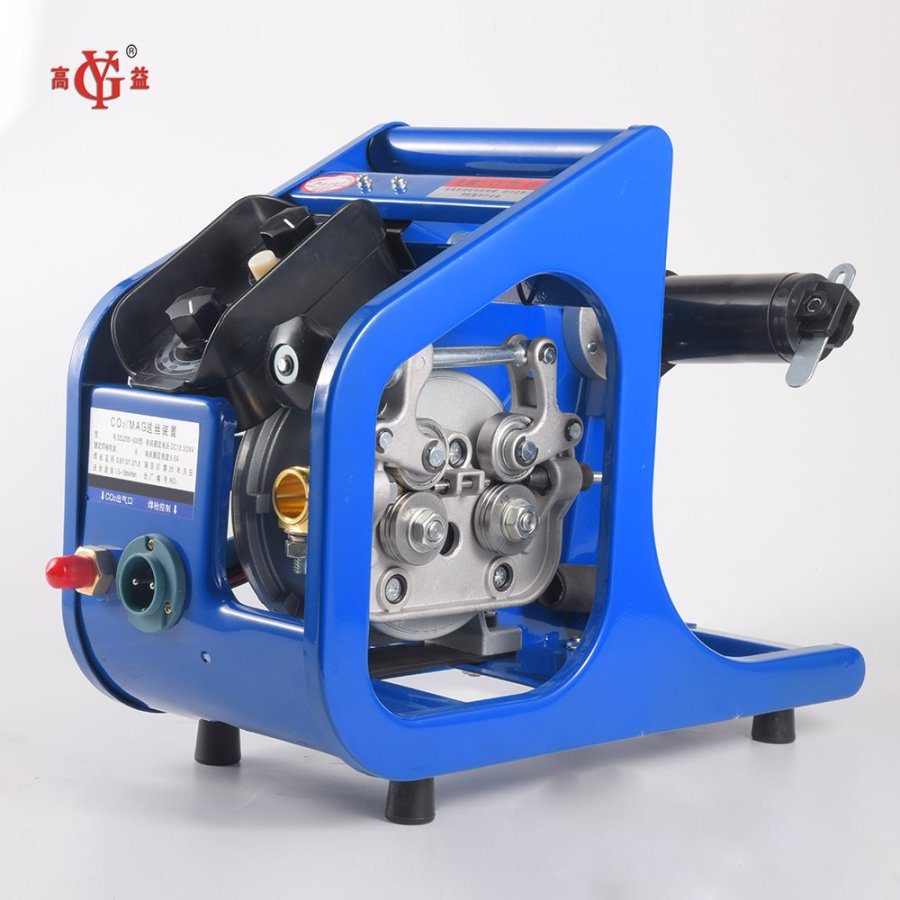
Welding wire feeders are critical components of MIG (Metal Inert Gas) welding systems, playing a crucial role in delivering the welding wire to the welding gun. The precision and efficiency of the welding process can significantly depend on the performance of the wire feeder. This article will delve into the importance of welding wire feeders and how they contribute to effective MIG welding operations.
At its core, a welding wire feeder is designed to transport the welding wire from a spool to the welding torch in a controlled manner. This process is essential because the flow rate of the wire must be consistent to ensure a stable arc and high-quality welds. There are two primary types of wire feeders: push-feed and pull-feed systems. Push-feed systems feed the wire from the spool directly through the welding gun, while pull-feed systems pull the wire through the gun, allowing for longer distances and more flexible setups.
One of the main advantages of using a welding wire feeder in MIG welding systems is its ability to provide a constant and adjustable feed rate. This is essential when working with various materials and thicknesses, as different welding applications require different wire speeds to achieve optimal penetration and fusion. A well-calibrated wire feeder can help reduce the risk of burn-through or insufficient penetration, leading to better overall weld quality.
Another significant benefit of these systems is their ability to minimize downtime during the welding process. Automatic wire feeders can quickly and easily replace spools, allowing welders to resume work without lengthy interruptions. This feature is particularly valuable in large-scale industrial applications where time efficiency is paramount.
Furthermore, modern welding wire feeders often incorporate advanced technology, such as digital controls and feedback systems, which enhance the accuracy of wire feed rates. These developments allow for real-time adjustments, ensuring that the welder can maintain consistent performance even under varying conditions. This capability not only improves the quality of the welds but also extends the lifespan of the welding equipment by minimizing wear and tear.
In conclusion, welding wire feeders are indispensable components of MIG welding systems that significantly enhance the efficiency, quality, and effectiveness of the welding process. By ensuring a consistent wire feed rate and minimizing downtime, these systems play a vital role in achieving high-quality welds across a range of industrial applications. Understanding their function and importance can empower professionals in the field to optimize their welding operations and achieve superior results.
At its core, a welding wire feeder is designed to transport the welding wire from a spool to the welding torch in a controlled manner. This process is essential because the flow rate of the wire must be consistent to ensure a stable arc and high-quality welds. There are two primary types of wire feeders: push-feed and pull-feed systems. Push-feed systems feed the wire from the spool directly through the welding gun, while pull-feed systems pull the wire through the gun, allowing for longer distances and more flexible setups.
One of the main advantages of using a welding wire feeder in MIG welding systems is its ability to provide a constant and adjustable feed rate. This is essential when working with various materials and thicknesses, as different welding applications require different wire speeds to achieve optimal penetration and fusion. A well-calibrated wire feeder can help reduce the risk of burn-through or insufficient penetration, leading to better overall weld quality.
Another significant benefit of these systems is their ability to minimize downtime during the welding process. Automatic wire feeders can quickly and easily replace spools, allowing welders to resume work without lengthy interruptions. This feature is particularly valuable in large-scale industrial applications where time efficiency is paramount.
Furthermore, modern welding wire feeders often incorporate advanced technology, such as digital controls and feedback systems, which enhance the accuracy of wire feed rates. These developments allow for real-time adjustments, ensuring that the welder can maintain consistent performance even under varying conditions. This capability not only improves the quality of the welds but also extends the lifespan of the welding equipment by minimizing wear and tear.
In conclusion, welding wire feeders are indispensable components of MIG welding systems that significantly enhance the efficiency, quality, and effectiveness of the welding process. By ensuring a consistent wire feed rate and minimizing downtime, these systems play a vital role in achieving high-quality welds across a range of industrial applications. Understanding their function and importance can empower professionals in the field to optimize their welding operations and achieve superior results.
TAG:
Related Posts
The Essential Role of Welding Wire Feeders in MIG Welding Systems
Welding wire feeders are critical components of MIG (Metal Inert Gas) welding systems, playing a crucial role in delivering the welding wire to the welding gun. The precision and efficiency of the welding process can significantly depend on the performance of the wire feeder. This article will delve into the importance of welding wire feeders and how they contribute to effective MIG welding operat