
The Best Practices for Using Spot Welding Electrode Caps
Oct 14,2026
The Best Practices for Using Spot Welding Electrode Caps
Spot welding is a crucial process in various industries, from automotive to electronics, where metal parts are joined together to create strong, durable connections. One essential component in this process is the **spot welding electrode cap**. Understanding how to use these caps effectively can significantly enhance the quality of your weld
The Best Practices for Using Spot Welding Electrode Caps
Spot welding is a crucial process in various industries, from automotive to electronics, where metal parts are joined together to create strong, durable connections. One essential component in this process is the **spot welding electrode cap**. Understanding how to use these caps effectively can significantly enhance the quality of your welds and extend the lifespan of your equipment. In this comprehensive guide, we will explore the best practices for using spot welding electrode caps, including maintenance, selection, and troubleshooting tips.
Table of Contents
- 1. Introduction
- 2. What Are Spot Welding Electrode Caps?
- 3. Importance of Spot Welding Electrode Caps
- 4. Best Practices for Using Spot Welding Electrode Caps
- 4.1 Selecting the Right Electrode Cap
- 4.2 Proper Maintenance of Electrode Caps
- 4.3 Usage Techniques for Optimal Performance
- 4.4 Troubleshooting Common Issues
- 5. Safety Precautions When Using Electrode Caps
- 6. Conclusion
- 7. FAQs
1. Introduction
In the realm of electrical and electronic assemblies, the efficiency and effectiveness of the welding process play a pivotal role. Spot welding electrode caps are integral parts of the welding setup, directly influencing the quality of the welds produced. By employing best practices, professionals can ensure that their welding operations remain efficient, cost-effective, and produce superior results.
2. What Are Spot Welding Electrode Caps?
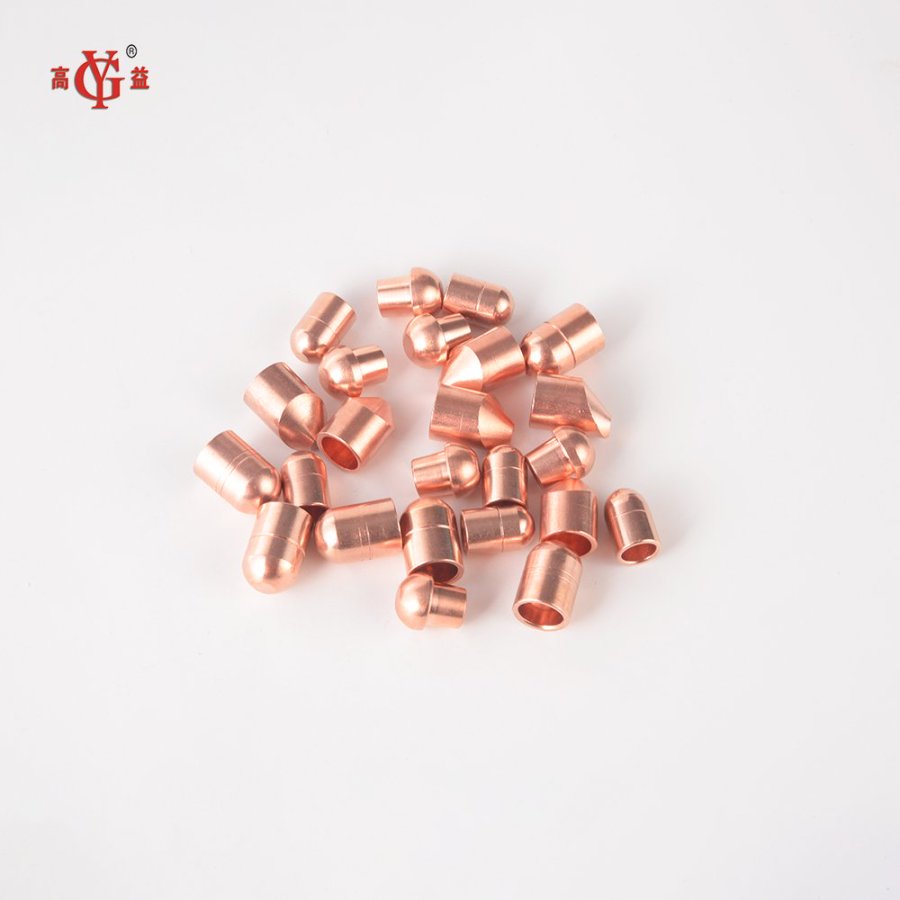
Spot welding electrode caps are essential components placed over the electrodes used in spot welding machines. These caps serve to protect the electrodes from wear and tear, control the welding current, and enhance the overall welding process. They come in various shapes, sizes, and materials, tailored to meet specific welding applications and requirements.
3. Importance of Spot Welding Electrode Caps
The role of electrode caps in spot welding cannot be overstated. They are crucial for several reasons:
1. **Protection**: They shield the electrodes from excessive wear, thus minimizing replacement costs and downtime.
2. **Heat Management**: Caps help manage the heat generated during welding, preventing overheating and subsequent electrode damage.
3. **Quality Control**: Properly maintained caps contribute to consistent weld quality, ensuring that each joint meets the required specifications.
4. **Increased Efficiency**: Effective caps can reduce the energy consumption of the welding process, leading to cost savings over time.
4. Best Practices for Using Spot Welding Electrode Caps
To maximize the benefits of spot welding electrode caps, it is essential to adhere to best practices in their selection, maintenance, and usage.
4.1 Selecting the Right Electrode Cap
Choosing the right electrode cap is the first step toward successful spot welding. Consider the following factors:
- **Material Composition**: Electrode caps are typically made from copper alloys, which provide excellent electrical conductivity. Select a material that suits the specific metal being welded.
- **Size and Shape**: The size and shape of the cap should match the diameter of the electrodes and the thickness of the materials being joined.
- **Welding Application**: Different applications may require specific cap designs, such as caps with increased surface area for thicker materials or specialized shapes for intricate welds.
4.2 Proper Maintenance of Electrode Caps
Regular maintenance of electrode caps is vital to ensure optimal performance. Here are practical maintenance tips:
- **Routine Inspection**: Regularly check electrode caps for signs of wear, damage, or contamination. Replace caps that show excessive wear.
- **Cleaning**: Keep the caps clean to prevent contamination that can lead to poor weld quality. Use appropriate cleaning agents that do not damage the cap material.
- **Heat Treatment**: Some electrode caps benefit from periodic heat treatment to restore their conductive properties and extend their lifespan.
4.3 Usage Techniques for Optimal Performance
Effective usage techniques can significantly impact the success of your spot welding:
- **Correct Pressure Application**: Ensure that the right amount of pressure is applied during welding. Too much pressure can damage the caps, while too little can result in weak welds.
- **Welding Current Settings**: Adjust the welding current settings according to the material and thickness being welded. Proper settings will help avoid overheating and prolong the life of the caps.
- **Welding Time**: Monitor and optimize the welding time to achieve the best results without causing excessive wear on the caps.
4.4 Troubleshooting Common Issues
Even with the best practices, issues may arise during spot welding. Here are common problems and solutions:
- **Inconsistent Welds**: This can often be due to inadequate pressure or improper current settings. Review and adjust these parameters as needed.
- **Cap Wear**: Frequent cap replacement may indicate that the wrong size or material is being used. Reassess your selection.
- **Overheating**: If caps are overheating, check the welding time and current settings. Reducing these factors can help mitigate the problem.
5. Safety Precautions When Using Electrode Caps
Safety should always be a priority in any welding operation. Consider the following safety precautions:
- **Proper PPE**: Wear appropriate personal protective equipment (PPE), including gloves, goggles, and protective clothing, to safeguard against sparks and heat.
- **Ventilation**: Ensure adequate ventilation in the welding area to minimize exposure to harmful fumes.
- **Electrical Safety**: Regularly inspect welding equipment for electrical issues to prevent shocks and accidents.
6. Conclusion
Employing best practices for using spot welding electrode caps is essential for achieving high-quality welds and ensuring equipment longevity. By selecting the right caps, maintaining them properly, and using effective techniques, professionals can significantly enhance their welding processes. Adhering to safety precautions will further ensure a safe working environment. With this knowledge, you can take your spot welding skills to the next level, resulting in superior quality and efficiency in your projects.
7. FAQs
**Q1: How often should I replace spot welding electrode caps?**
A1: The frequency of replacement depends on usage and wear. Regularly inspect caps and replace them when signs of damage or excessive wear are evident.
**Q2: Can I use different materials for electrode caps?**
A2: Yes, different materials can be utilized based on the welding application. However, ensure that the material chosen provides good conductivity and matches the base materials being joined.
**Q3: What is the best way to clean electrode caps?**
A3: Use appropriate cleaning agents that do not damage the cap material. Regular cleaning helps maintain performance and quality.
**Q4: How do I know if I'm using the correct welding current?**
A4: Consult the technical specifications for the materials you are welding. Adjust the current settings based on the thickness and type of metal for optimal results.
**Q5: What safety equipment should I use during spot welding?**
A5: Always wear gloves, goggles, and flame-resistant clothing. Ensure you have proper ventilation to reduce exposure to harmful fumes.
TAG:
Related Posts
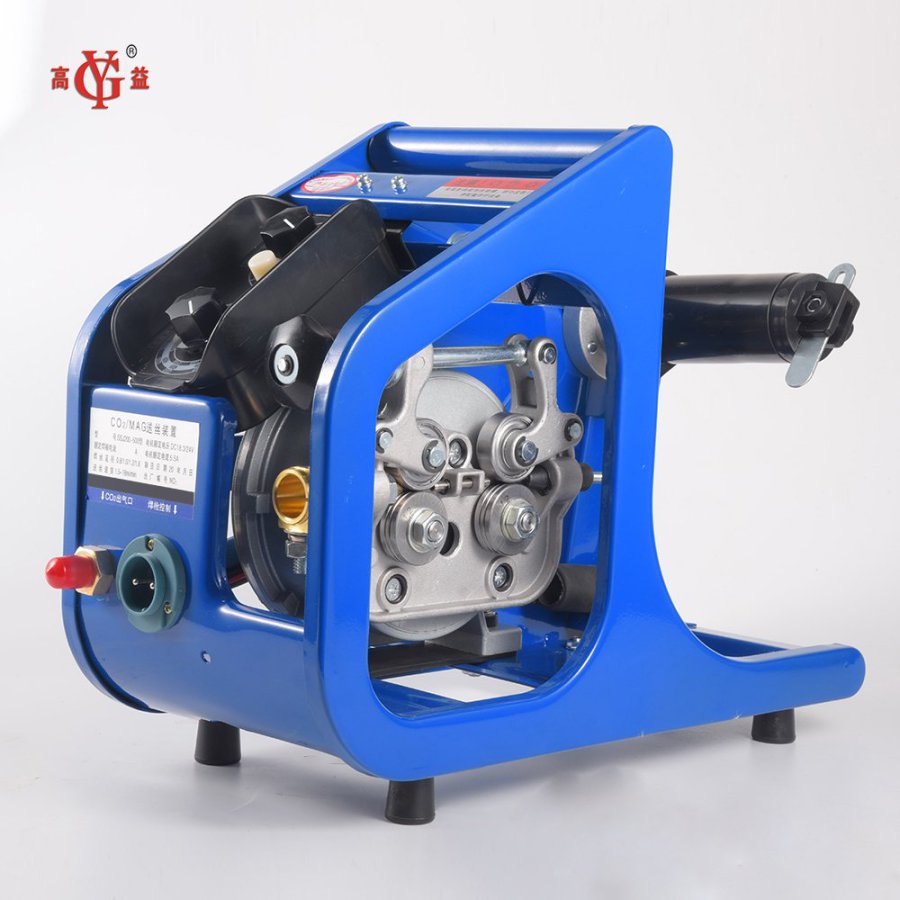
Understanding Welding Wire Feeders for MIG Welding Systems: Key Insights
When it comes to MIG (Metal Inert Gas) welding systems, the welding wire feeder plays a crucial role in the overall functionality and efficiency of the process. This component is responsible for delivering the welding wire to the welding arc, ensuring a continuous and consistent feed that is vital for producing high-quality welds. Understanding the various aspects of welding wire feeders can great