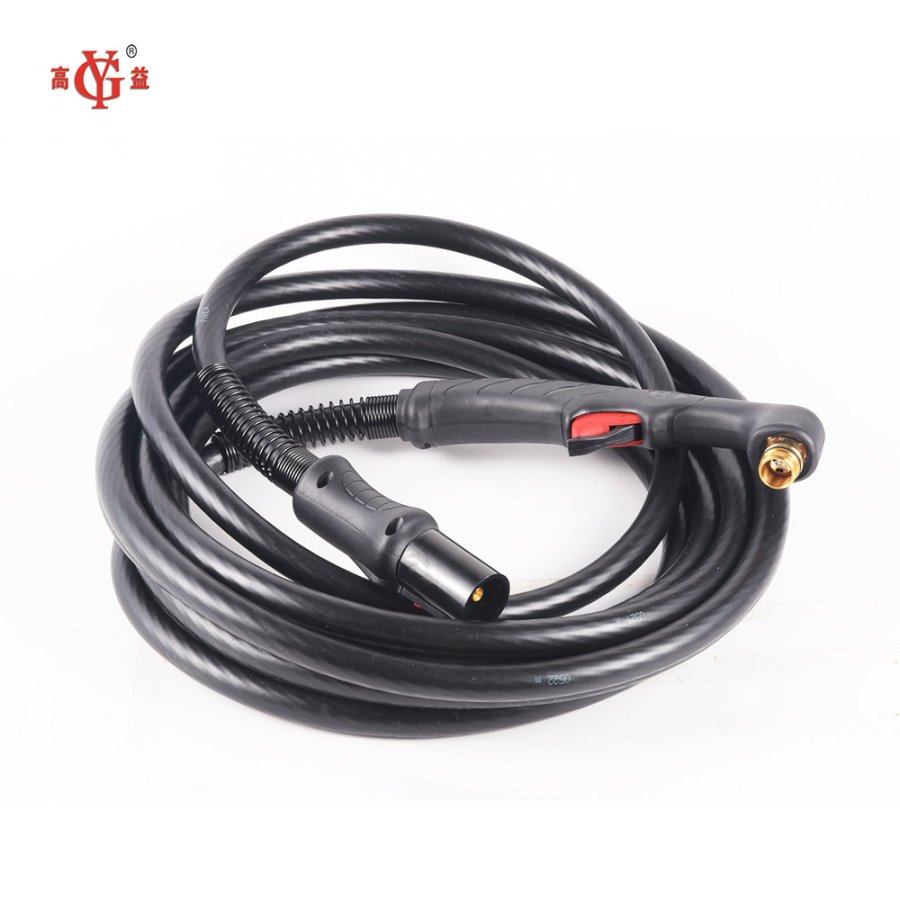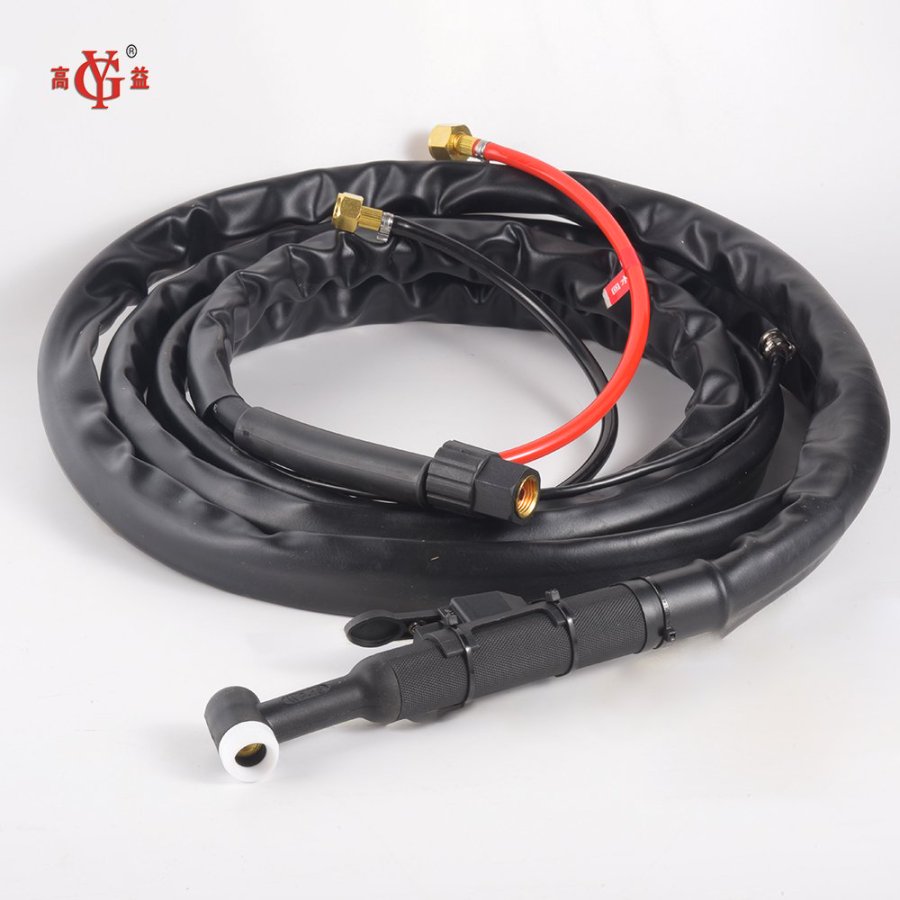

The Essential Role of Non-Inductive Welding Cable in Professional Welding Applications
May 28,2026
The Essential Role of Non-Inductive Welding Cable in Professional Welding Applications
Table of Contents
1. Introduction to Non-Inductive Welding Cable
2. Understanding Non-Inductive Welding Cable
3. Benefits of Non-Inductive Welding Cable
4. Applications in Professional Welding
5. Key Features of Non-Inductive Welding Cable
6. Safety Standards and Regulations
7. Cho

The Essential Role of Non-Inductive Welding Cable in Professional Welding Applications
Table of Contents
- 1. Introduction to Non-Inductive Welding Cable
- 2. Understanding Non-Inductive Welding Cable
- 3. Benefits of Non-Inductive Welding Cable
- 4. Applications in Professional Welding
- 5. Key Features of Non-Inductive Welding Cable
- 6. Safety Standards and Regulations
- 7. Choosing the Right Non-Inductive Welding Cable
- 8. Maintenance and Care of Non-Inductive Welding Cables
- 9. Frequently Asked Questions
- 10. Conclusion
1. Introduction to Non-Inductive Welding Cable
In the realm of professional welding, the choice of cables can significantly influence the overall performance and safety of the operation. Non-inductive welding cables are designed specifically to minimize electromagnetic interference, making them a preferred choice for welders across various industries. This article delves deep into the role of non-inductive welding cable in professional applications, highlighting its importance, benefits, and effectiveness.
2. Understanding Non-Inductive Welding Cable
Non-inductive welding cable is characterized by its construction, which prevents the generation of inductive interference during operation. Unlike traditional welding cables, non-inductive types are engineered with insulation and shielding techniques that eliminate the stray electromagnetic fields often associated with inductive cables. This capability is essential in environments where precision and clarity are paramount, such as in automated welding processes and in areas where sensitive equipment operates.
2.1 The Science Behind Non-Inductive Cables
The effectiveness of non-inductive welding cables lies in their design. Typically, these cables are composed of multiple strands of copper wire, twisted together to create a balanced configuration. This twisting effectively cancels out any potential inductive currents. Additionally, the insulation material used often includes high-grade polymers that provide not only electrical insulation but also resistance to abrasion, heat, and various chemicals.
3. Benefits of Non-Inductive Welding Cable
Choosing non-inductive welding cables offers several advantages over traditional options. Understanding these benefits can help professionals make informed decisions that enhance their welding operations.
3.1 Enhanced Safety
Safety is a top priority in any welding application. Non-inductive cables reduce the risk of electrical interference, which can lead to unexpected equipment behavior or accidents. By minimizing electromagnetic fields, these cables protect both the operator and sensitive equipment from potential hazards.
3.2 Improved Performance
Non-inductive welding cables contribute to improved performance in welding operations. By ensuring a consistent and stable current flow, these cables help maintain the quality of the weld, reducing defects and enhancing the overall integrity of the work. This reliability is particularly crucial in high-stakes industries such as aerospace and automotive manufacturing.
3.3 Increased Durability
These cables are built to withstand harsh working conditions. The robust insulation materials enhance resistance to wear and tear, heat, and chemicals, ensuring a longer lifespan compared to standard welding cables. This durability translates to reduced downtime and lower replacement costs.
3.4 Versatility in Applications
Non-inductive welding cables are suitable for a wide range of applications, from heavy industrial welding to more delicate tasks such as electronics and automotive repairs. Their versatility allows professionals to use them in diverse environments without compromising performance.
4. Applications in Professional Welding
The applications of non-inductive welding cables span across various sectors, showcasing their adaptability and effectiveness in different scenarios.
4.1 Industrial Manufacturing
In industrial settings, where large-scale production and automation are common, non-inductive welding cables play a pivotal role. They ensure that robotic welding systems operate smoothly, without interference that could disrupt precision tasks.
4.2 Construction
The construction industry benefits from non-inductive welding cables in structural steel welding. The cables provide the necessary reliability for high-strength welds, crucial for safety and compliance with building codes.
4.3 Automotive Industry
In automotive manufacturing, the quality of welds can significantly affect vehicle safety and performance. Non-inductive cables support the precision required in welding car frames, components, and exhaust systems.
4.4 Aerospace Sector
The aerospace sector demands the highest standards of quality and safety. Non-inductive welding cables are essential in this industry to ensure that welds meet stringent regulations and performance criteria.
5. Key Features of Non-Inductive Welding Cable
Understanding the key features of non-inductive welding cables can help professionals select the right products for their needs. Here are some of the defining characteristics:
5.1 Conductor Material
The most common conductor material used in non-inductive welding cables is copper due to its excellent conductivity properties. Some cables may also incorporate aluminum to reduce weight while maintaining conductivity.
5.2 Insulation Type
Non-inductive cables use high-quality insulating materials, such as PVC or rubber, which provide electrical insulation as well as resistance to physical damage and environmental factors.
5.3 Temperature Rating
Non-inductive welding cables are designed to operate efficiently at high temperatures. Many products are rated for continuous use at temperatures up to 90°C and beyond, ensuring reliability under challenging conditions.
5.4 Flexibility
Professionals appreciate the flexibility of non-inductive welding cables, allowing for easy maneuverability in tight spaces. This feature is particularly beneficial for on-site welding tasks.
6. Safety Standards and Regulations
Adhering to safety standards and regulations is critical in any welding application. Non-inductive welding cables are often designed to meet or exceed industry standards, ensuring compliance and safety.
6.1 IEC and UL Certifications
Many non-inductive welding cables carry International Electrotechnical Commission (IEC) and Underwriters Laboratories (UL) certifications, indicating that they have been rigorously tested for safety and performance.
6.2 National Electrical Code (NEC) Compliance
In the United States, compliance with the National Electrical Code (NEC) is essential. Non-inductive cables typically meet these requirements, making them suitable for various installations.
7. Choosing the Right Non-Inductive Welding Cable
Selecting the right non-inductive welding cable involves several considerations to ensure optimal performance and safety.
7.1 Assessing Application Needs
Before making a purchase, assess the specific needs of your welding application, including the type of welding, environment, and equipment compatibility.
7.2 Understanding Specifications
Review the technical specifications of the cables, focusing on conductor size, insulation type, and temperature rating. These details will guide you to the best choice for your needs.
7.3 Consulting with Suppliers
Engaging with reputable suppliers can provide valuable insights and recommendations based on their expertise and experience in the industry.
8. Maintenance and Care of Non-Inductive Welding Cables
Proper maintenance prolongs the life of non-inductive welding cables and ensures safe operation. Here are some essential care tips:
8.1 Regular Inspections
Conduct regular inspections to identify any signs of wear, fraying, or damage. Addressing these issues promptly can prevent accidents and ensure safe operation.
8.2 Proper Storage
Store cables in a dry, cool environment, away from direct sunlight and harsh chemicals. Using cable reels can help prevent tangling and damage.
8.3 Cleaning Techniques
Keep cables clean by wiping them down with a damp cloth to remove dirt and debris. Avoid using harsh chemicals that can degrade insulation material.
9. Frequently Asked Questions
9.1 What is the difference between inductive and non-inductive welding cables?
Inductive welding cables generate electromagnetic interference, while non-inductive cables are designed to minimize or eliminate such interference, resulting in safer and more reliable operations.
9.2 Can non-inductive welding cables be used for all welding applications?
While non-inductive cables are versatile and suitable for many applications, it’s essential to consider the specific requirements of your welding project before selection.
9.3 How can I tell if my welding cable is non-inductive?
Check the specifications provided by the manufacturer. Non-inductive cables will typically be labeled as such and will have detailed information about their design and construction.
9.4 Are non-inductive welding cables more expensive than traditional cables?
While non-inductive welding cables may be slightly more expensive due to their advanced design and materials, the long-term benefits in safety and performance often justify the investment.
9.5 What maintenance is required for non-inductive welding cables?
Regular inspections, proper cleaning, and appropriate storage are crucial for maintaining the integrity and performance of non-inductive welding cables.
10. Conclusion
Non-inductive welding cables play a crucial role in enhancing safety, performance, and versatility in professional welding applications. Their advanced design minimizes electromagnetic interference, ensuring that welders can operate with confidence and precision. By understanding the benefits, applications, and maintenance of these cables, professionals can make informed choices that improve their welding processes. Investing in high-quality non-inductive welding cables is not just about compliance—it's about enhancing the safety and quality of work in today's demanding industrial environments.
TAG:
Related Posts
The Essential Role of Non-Inductive Welding Cable in Professional Welding Applications
The Essential Role of Non-Inductive Welding Cable in Professional Welding Applications
Table of Contents
1. Introduction to Non-Inductive Welding Cable
2. Understanding Non-Inductive Welding Cable
3. Benefits of Non-Inductive Welding Cable
4. Applications in Professional Welding
5. Key Features of Non-Inductive Welding Cable
6. Safety Standards and Regulations
7. Cho