
Understanding the Role of Spot Welding Electrode Arms in Electrical Engineering
May 29,2026
Spot welding is a widely employed technique in various industries, known for its efficiency and effectiveness in joining metal sheets. At the heart of this process lies the spot welding electrode arm, a crucial component that facilitates the welding operation. The electrode arm serves several vital functions, including holding the electrodes in place, providing the necessary pressure during weldin
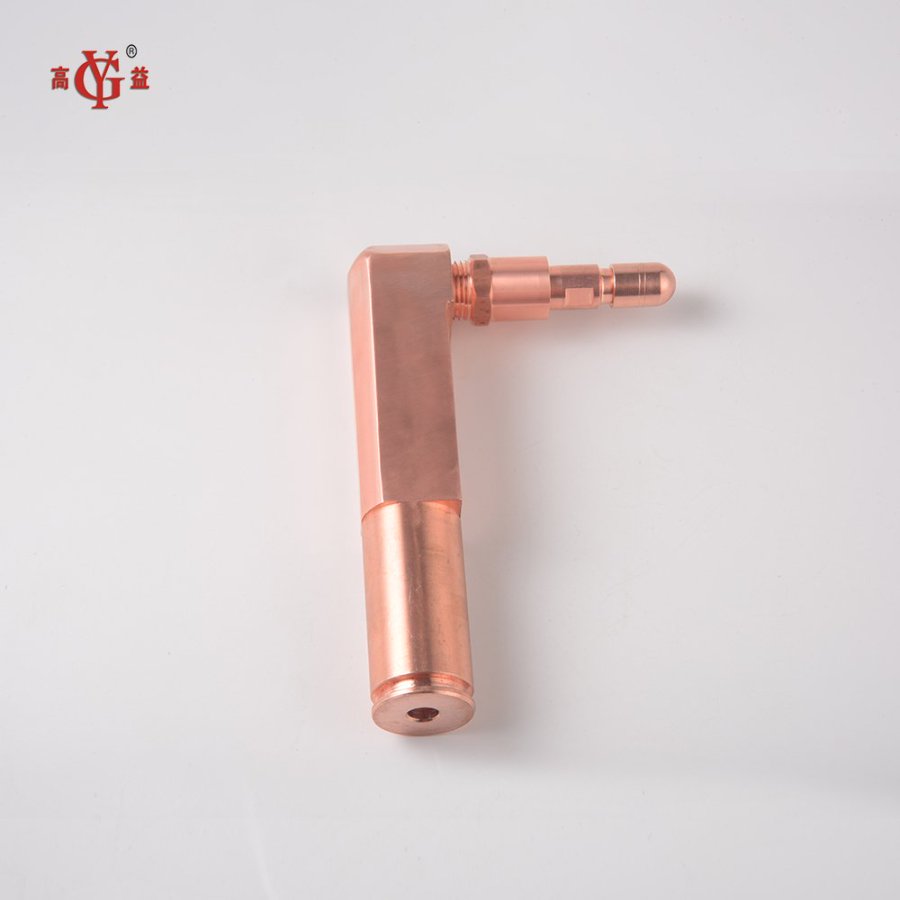
Spot welding is a widely employed technique in various industries, known for its efficiency and effectiveness in joining metal sheets. At the heart of this process lies the spot welding electrode arm, a crucial component that facilitates the welding operation. The electrode arm serves several vital functions, including holding the electrodes in place, providing the necessary pressure during welding, and maintaining electrical conductivity.
One of the primary considerations when selecting a spot welding electrode arm is its material composition. Typically, these arms are constructed from high-strength materials that can withstand the intense heat generated during the welding process. Copper alloys are common choices due to their excellent thermal and electrical conductivity, allowing for efficient heat transfer to the workpieces. This conductivity is essential for achieving strong welds while minimizing energy loss.
The design of the electrode arm is also pivotal. A well-designed arm should allow for optimal alignment of the electrodes with the workpieces, ensuring even pressure distribution. This uniformity is critical for achieving consistent weld quality. Additionally, the arm's length and angle can significantly affect the accessibility and maneuverability during the welding process. Engineers must consider these factors to tailor the electrode arm to specific applications, whether in automotive manufacturing or electronic assembly.
Another aspect to consider is the maintenance of the electrode arms. Proper maintenance routines can prolong the lifespan of the arms and ensure consistent performance. Regular inspections for wear and tear, along with cleaning to remove any contamination, can prevent defects in the welding process. Implementing a systematic maintenance schedule can also help identify issues early, minimizing downtime and enhancing productivity.
Furthermore, understanding the thermal dynamics involved in spot welding is crucial for optimizing the performance of the electrode arms. The heat generated during the welding process not only melts the metal at the joint but also affects the surrounding areas. Engineers need to analyze how the electrode arms dissipate heat to prevent overheating and potential damage, which can lead to weld defects or equipment failure.
In conclusion, spot welding electrode arms play a vital role in the welding process, influencing the quality and efficiency of welds. By understanding their material composition, design considerations, maintenance requirements, and thermal dynamics, professionals in the electrical engineering field can enhance their welding practices and contribute to higher standards in production quality. Emphasizing these elements can ultimately lead to safer, more reliable, and more efficient welding operations.
One of the primary considerations when selecting a spot welding electrode arm is its material composition. Typically, these arms are constructed from high-strength materials that can withstand the intense heat generated during the welding process. Copper alloys are common choices due to their excellent thermal and electrical conductivity, allowing for efficient heat transfer to the workpieces. This conductivity is essential for achieving strong welds while minimizing energy loss.
The design of the electrode arm is also pivotal. A well-designed arm should allow for optimal alignment of the electrodes with the workpieces, ensuring even pressure distribution. This uniformity is critical for achieving consistent weld quality. Additionally, the arm's length and angle can significantly affect the accessibility and maneuverability during the welding process. Engineers must consider these factors to tailor the electrode arm to specific applications, whether in automotive manufacturing or electronic assembly.
Another aspect to consider is the maintenance of the electrode arms. Proper maintenance routines can prolong the lifespan of the arms and ensure consistent performance. Regular inspections for wear and tear, along with cleaning to remove any contamination, can prevent defects in the welding process. Implementing a systematic maintenance schedule can also help identify issues early, minimizing downtime and enhancing productivity.
Furthermore, understanding the thermal dynamics involved in spot welding is crucial for optimizing the performance of the electrode arms. The heat generated during the welding process not only melts the metal at the joint but also affects the surrounding areas. Engineers need to analyze how the electrode arms dissipate heat to prevent overheating and potential damage, which can lead to weld defects or equipment failure.
In conclusion, spot welding electrode arms play a vital role in the welding process, influencing the quality and efficiency of welds. By understanding their material composition, design considerations, maintenance requirements, and thermal dynamics, professionals in the electrical engineering field can enhance their welding practices and contribute to higher standards in production quality. Emphasizing these elements can ultimately lead to safer, more reliable, and more efficient welding operations.
TAG:
Previous
Related Posts
Understanding the Role of Spot Welding Electrode Arms in Electrical Engineering
Spot welding is a widely employed technique in various industries, known for its efficiency and effectiveness in joining metal sheets. At the heart of this process lies the spot welding electrode arm, a crucial component that facilitates the welding operation. The electrode arm serves several vital functions, including holding the electrodes in place, providing the necessary pressure during weldin