
The Connection Between TIG Welding Torches and Energy Efficiency
Apr 28,2026
The Connection Between TIG Welding Torches and Energy Efficiency
TIG (Tungsten Inert Gas) welding is a highly regarded method known for its precision and versatility. As industries continuously strive for sustainability and cost efficiency, the role of TIG welding torches in energy savings becomes increasingly significant. In this article, we will explore the connection between TIG welding torches and energy efficiency, delving into how proper torch selection and usage can lead to remarkable energy savings and improved welding performance.
Table of Contents
- Understanding TIG Welding
- Importance of Energy Efficiency in Welding
- How TIG Welding Torches Work
- Types of TIG Welding Torches
- Impact of Torch Design on Energy Efficiency
- Optimizing Energy Efficiency with TIG Torches
- Common Mistakes in TIG Welding
- The Future of TIG Welding Technology
- Conclusion
- FAQs
Understanding TIG Welding
TIG welding, a process that utilizes a non-consumable tungsten electrode to produce the weld, is celebrated for its ability to weld thin materials with precision. This method allows for a cleaner and more controlled welding process compared to other techniques. In TIG welding, the arc is formed between the tungsten electrode and the workpiece, creating enough heat to melt the base metals. An inert gas, usually argon or helium, shields the weld area from atmospheric contamination, significantly enhancing the quality of the weld.
Importance of Energy Efficiency in Welding
As energy costs rise and environmental concerns mount, energy efficiency in welding becomes paramount. Implementing energy-efficient practices not only reduces operational costs but also minimizes the carbon footprint of welding operations. An efficient welding process can lead to:
- Lower energy consumption and reduced utility bills.
- Extended equipment lifespan due to less wear and tear.
- Improved weld quality, resulting in fewer defects and rework.
- A positive reputation for sustainability and corporate responsibility.
How TIG Welding Torches Work
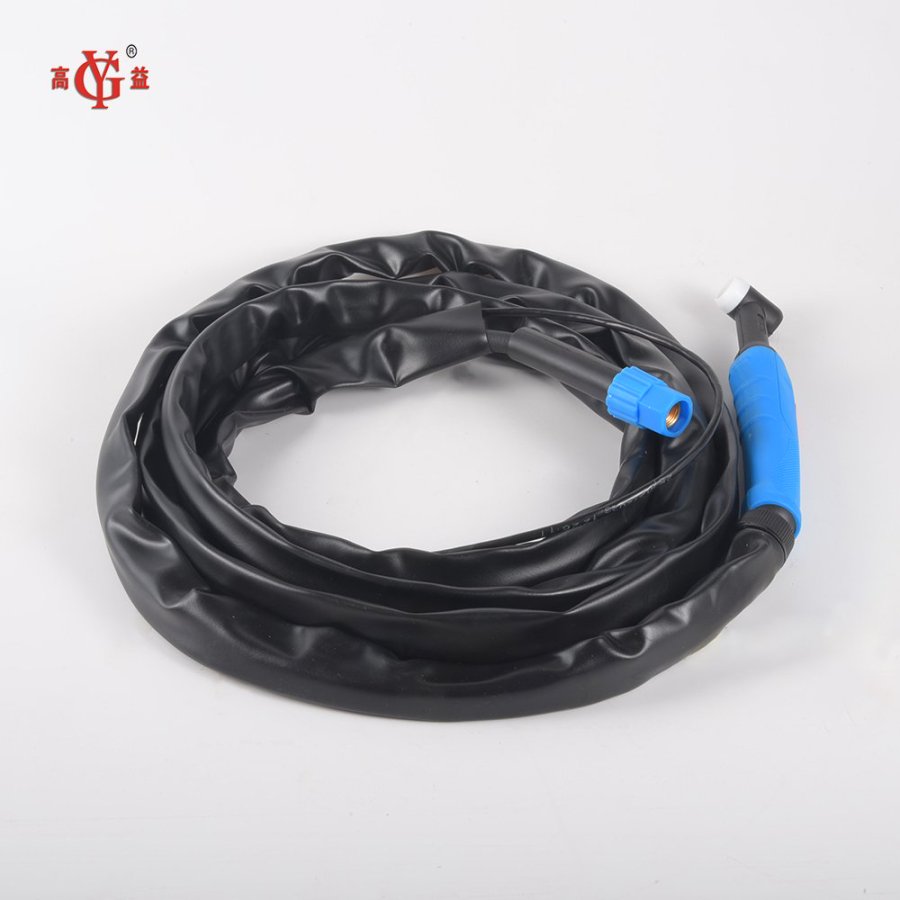
Understanding how TIG welding torches function is critical to appreciating their role in energy efficiency. The torch consists of several key components, including:
Tungsten Electrode
The tungsten electrode creates the arc. Its composition and diameter can significantly influence energy consumption and weld quality. A properly sized electrode minimizes heat loss and improves efficiency.
Gas Cup
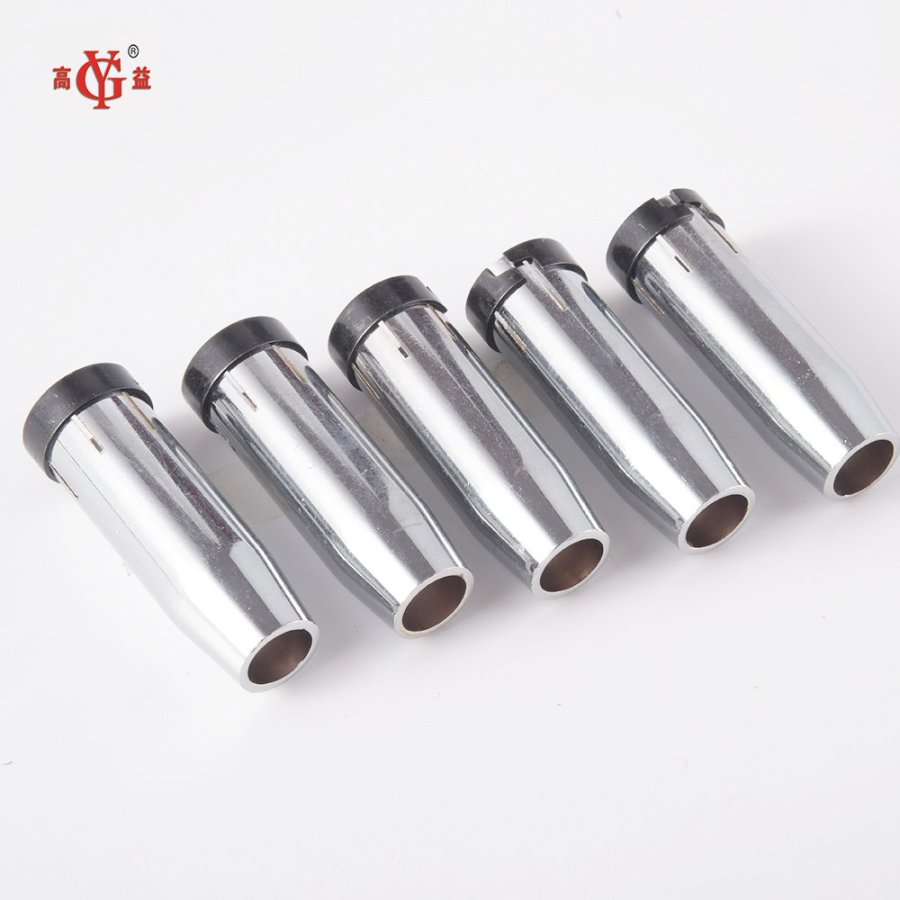
This component directs the shielding gas around the weld area. The design and size of the gas cup can impact gas flow rates, which affects the arc stability and energy required for the weld.
Collar and Handle
The collar secures the tungsten electrode, while the handle provides a comfortable grip for the welder. Ergonomics can affect the precision of the weld, ultimately influencing the energy required for quality results.
Types of TIG Welding Torches
Choosing the right type of TIG welding torch can dramatically enhance energy efficiency. The main categories include:
Air-Cooled Torches
These torches rely on air circulation for cooling. While they are lighter and more portable, they may require more energy for prolonged welding due to overheating.
Water-Cooled Torches
Water-cooled torches handle higher amperages and are better suited for intense welding tasks. They maintain a lower operating temperature, allowing for extended use without energy-intensive cooling interruptions.
Flexible Neck Torches
These torches offer versatility in accessing tight spaces. While they do not inherently increase energy efficiency, their adaptability can lead to more precise welding, reducing wasted energy on rework.
Impact of Torch Design on Energy Efficiency
The design of a TIG welding torch significantly influences energy efficiency. Key factors include:
Electrode Geometry
A well-designed electrode can maintain a stable arc, reducing energy requirements. Thinner electrodes often require less energy for melting yet may not be suitable for all applications.
Gas Flow Rate
Optimizing the gas flow rate is essential. Excessive gas can lead to energy waste and reduced weld quality. A properly calibrated gas flow enhances arc stability while conserving energy.
Insulation and Heat Management
Effective insulation in the torch design minimizes heat loss. This efficiency not only conserves energy but also protects the components, extending their lifespan.
Optimizing Energy Efficiency with TIG Torches
To maximize energy efficiency with TIG welding torches, consider the following practical tips:
Selecting the Right Amperage
Using the appropriate amperage for the material thickness can significantly reduce energy consumption. Always match the settings to the specific welding task.
Regular Maintenance
Keeping your TIG welding torch clean and in good working condition prevents energy loss due to inefficiencies. Regularly inspect and replace worn components.
Training and Skill Development
Investing in operator training ensures that welders are skilled in optimizing their techniques and settings, contributing to energy-efficient practices.
Using High-Quality Equipment
Investing in high-quality TIG torches and accessories is crucial. Premium products often feature better designs that enhance energy efficiency and overall performance.
Common Mistakes in TIG Welding
Even experienced welders can make mistakes that lead to inefficient energy use. Some common pitfalls include:
Incorrect Electrode Preparation
Failing to properly sharpen and prepare the tungsten electrode can result in an unstable arc, leading to increased energy consumption.
Poor Gas Coverage
Inadequate shielding gas coverage can lead to contamination and defects in the weld. This necessitates additional energy for rework, wasting both time and resources.
Neglecting Equipment Maintenance
Ignoring regular maintenance can lead to equipment inefficiencies, resulting in higher energy use over time. Keeping equipment in top shape is essential for energy conservation.
The Future of TIG Welding Technology
The future of TIG welding is leaning towards advanced technologies aimed at enhancing energy efficiency. Innovations such as:
Smart Welding Systems
These systems utilize sensors and automation to optimize welding parameters in real-time, ensuring maximum efficiency and minimal energy waste.
Improved Materials for Components
Ongoing research is focusing on developing materials that can withstand higher temperatures without compromising energy use, leading to longer-lasting and more efficient welding torches.
Conclusion
The connection between TIG welding torches and energy efficiency is undeniable. By understanding the intricacies of TIG welding, selecting the right torches, and implementing best practices, welders can significantly enhance their energy efficiency. As the industry continues to evolve, embracing new technologies and insights will allow for a more sustainable and cost-effective welding future.
FAQs
1. How can I determine the right amperage for my TIG welding project?
Match the amperage to the material thickness and type. General guidelines suggest about 1 amp per 0.001 inches of material thickness.
2. What is the role of shielding gas in TIG welding?
Shielding gas protects the weld area from contamination, which is crucial for ensuring high-quality welds.
3. How do I properly maintain my TIG welding torch?
Regularly inspect the torch for wear, clean the components, and replace any damaged parts to ensure optimal performance and energy efficiency.
4. What are the advantages of using water-cooled TIG torches?
Water-cooled torches can handle higher amperages without overheating, making them ideal for extended welding tasks.
5. Can training really impact energy efficiency in TIG welding?
Yes, skilled operators who understand the techniques and settings can significantly reduce energy consumption while improving weld quality.
TAG:
Previous
Related Posts
The Connection Between TIG Welding Torches and Energy Efficiency