
Why Choosing the Right Spot Welding Electrode Cap Matters for Optimal Performance
Apr 24,2026
Why Choosing the Right Spot Welding Electrode Cap Matters
Understanding Spot Welding and Its Applications
Spot welding is a widely used technique in various industrial applications, particularly in the automotive and manufacturing sectors. This process involves applying pressure and heat to join two or more pieces of metal together at specific points, creating a strong bond. The efficiency and qua
Why Choosing the Right Spot Welding Electrode Cap Matters
Understanding Spot Welding and Its Applications
Spot welding is a widely used technique in various industrial applications, particularly in the automotive and manufacturing sectors. This process involves applying pressure and heat to join two or more pieces of metal together at specific points, creating a strong bond. The efficiency and quality of spot welding largely depend on the components used in the process, one of the most critical being the welding electrode cap.
The Importance of Spot Welding Electrode Caps
The **electrode cap** serves several essential functions in the spot welding process:
- **Heat Distribution:** The electrode cap is responsible for distributing heat evenly across the welding area to ensure a proper weld.
- **Pressure Application:** It helps maintain consistent pressure on the workpieces, crucial for achieving a strong joint.
- **Material Compatibility:** Different materials require specific electrode caps to optimize performances, such as conductivity and thermal resistance.
Choosing the right electrode cap can significantly impact the quality of the weld, affecting both strength and durability.
Types of Spot Welding Electrode Caps
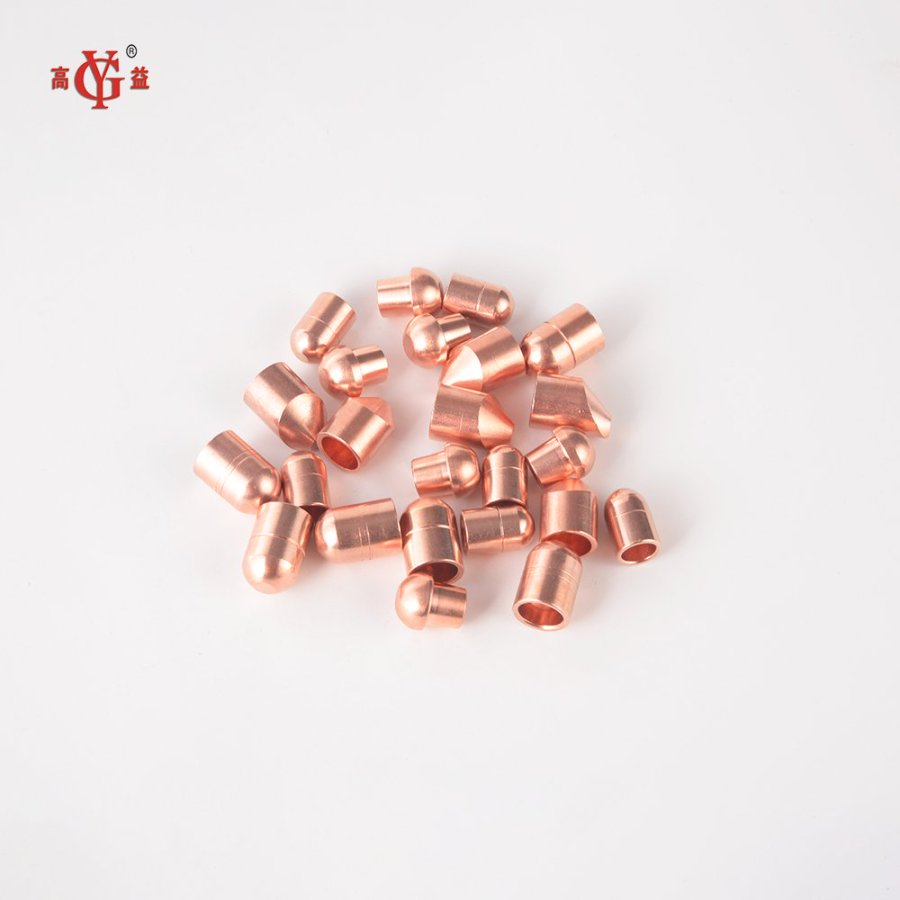
There are several types of electrode caps available, each designed for specific applications and materials. Understanding these options is vital for making an informed choice.
1. Copper Electrode Caps
Copper electrode caps are commonly used due to their excellent conductivity. They are ideal for welding applications involving mild steel and aluminum.
2. Alloy Electrode Caps
Alloy caps, often made from a combination of copper and other metals, offer enhanced strength and improved thermal properties. They are suitable for welding high-strength steels.
3. Coated Electrode Caps
Coated electrode caps provide additional benefits, such as increased resistance to wear and oxidation. They are often used in high-temperature applications where durability is crucial.
Factors to Consider When Choosing an Electrode Cap
Selecting the right electrode cap involves evaluating several factors to ensure compatibility and performance:
1. Material Type
The type of metal being welded plays a pivotal role in determining the appropriate electrode cap. Different materials interact differently with various electrode compositions.
2. Welding Current
The required welding current can influence the choice of electrode cap. Higher currents may necessitate caps that can withstand increased temperatures and resist degradation.
3. Weld Quality Requirements
Depending on the application, the quality requirements of the weld can dictate the type of electrode cap needed. For instance, automotive applications may demand stricter quality standards.
4. Electrode Life and Maintenance
The longevity of the electrode cap is also a crucial consideration. Evaluating wear rates and maintenance requirements can help determine the most cost-effective option.
Benefits of Selecting the Right Spot Welding Electrode Cap
Making the appropriate choice when it comes to electrode caps can yield several benefits, including:
1. Improved Weld Quality
By choosing the right electrode cap, welders can achieve superior joint strength and appearance. This is vital in applications where weld integrity is paramount.
2. Increased Efficiency
The right cap can enhance the overall efficiency of the welding process, reducing downtime and improving productivity. This leads to cost savings in the long run.
3. Reduced Maintenance Costs
Selecting a durable electrode cap can minimize the frequency of replacements and maintenance, resulting in lower operational costs.
Common Mistakes When Choosing Spot Welding Electrode Caps
While selecting electrode caps might seem straightforward, several common mistakes can lead to suboptimal performance:
1. Ignoring Material Compatibility
Failing to consider the material being welded can result in poor weld quality and increased wear on the electrode cap.
2. Overlooking Current Requirements
Choosing an electrode cap that cannot handle the required welding current can lead to premature failure and inefficient welding.
3. Skipping Maintenance Checks
Neglecting regular maintenance and inspection of electrode caps can result in unexpected failures during the welding process.
FAQs About Spot Welding Electrode Caps
1. What is the primary function of a spot welding electrode cap?
The primary function of a spot welding electrode cap is to distribute heat evenly across the welding area while applying pressure to join metal pieces together effectively.
2. How do I know which material is best for my electrode cap?
The choice of material for your electrode cap should be based on the types of metals you are welding, the required weld quality, and the welding current needed for the application.
3. Why are copper electrode caps commonly used?
Copper electrode caps are preferred due to their excellent electrical conductivity, making them suitable for a range of welding applications, especially with mild steel and aluminum.
4. Can I use the same electrode cap for different materials?
It is not advisable to use the same electrode cap for different materials, as each material may require specific properties in the cap to achieve optimal weld quality.
5. How can I extend the life of my spot welding electrode caps?
Maintaining proper welding parameters, regularly inspecting the caps for wear, and choosing high-quality materials can help extend the life of your electrode caps.
Conclusion
In summary, choosing the right spot welding electrode cap is crucial for achieving optimal performance and quality in your welding projects. By understanding the different types of electrode caps available and the factors that influence their effectiveness, you can make informed decisions that enhance your welding outcomes. Proper selection can lead to improved weld quality, increased efficiency, and reduced maintenance costs, ensuring that your welding operations remain cost-effective and reliable. Always consider the specific requirements of your application and avoid common pitfalls to maximize the benefits of your spot welding processes.
TAG:
Previous:
Related Posts
Why Choosing the Right Spot Welding Electrode Cap Matters for Optimal Performance
Why Choosing the Right Spot Welding Electrode Cap Matters
Understanding Spot Welding and Its Applications
Spot welding is a widely used technique in various industrial applications, particularly in the automotive and manufacturing sectors. This process involves applying pressure and heat to join two or more pieces of metal together at specific points, creating a strong bond. The efficiency and qua