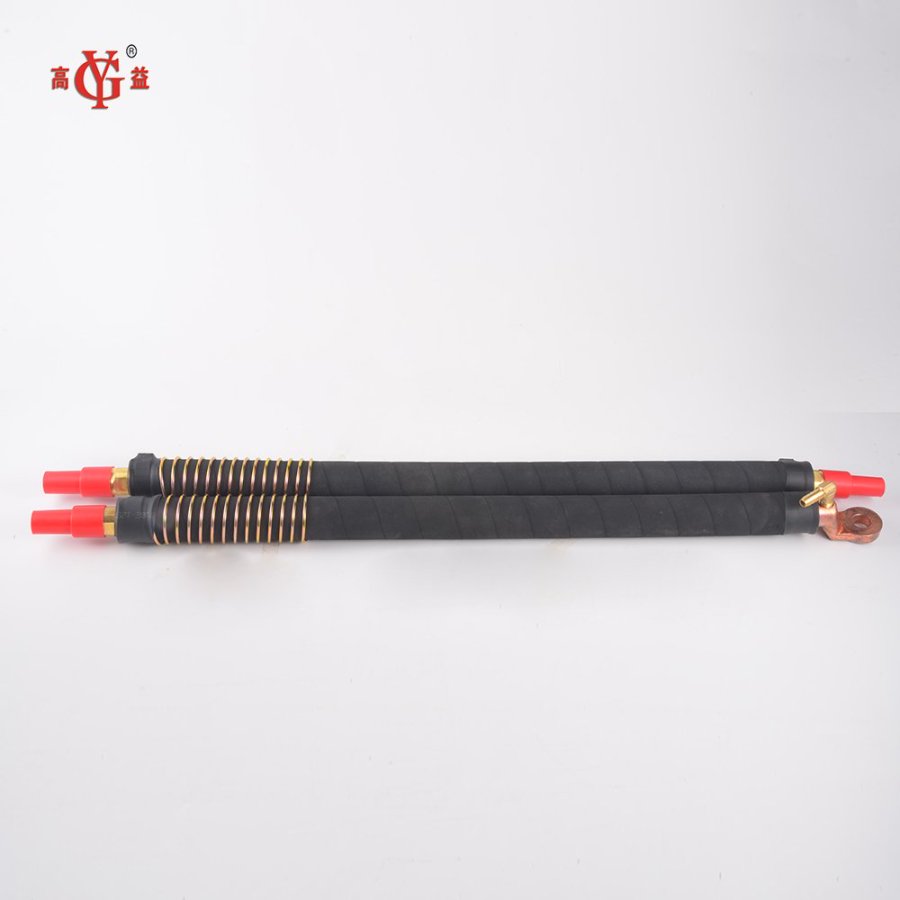

Understanding the Essentials of Spot Welding Electrode Arms
Apr 23,2026
Spot welding is a widely used technique in the manufacturing and automotive industries, relying on precise equipment to ensure effective results. One of the critical components in the spot welding process is the electrode arm. Understanding its functionality and maintenance is essential for professionals involved in welding applications.
The spot welding electrode arm serves as the bridge between
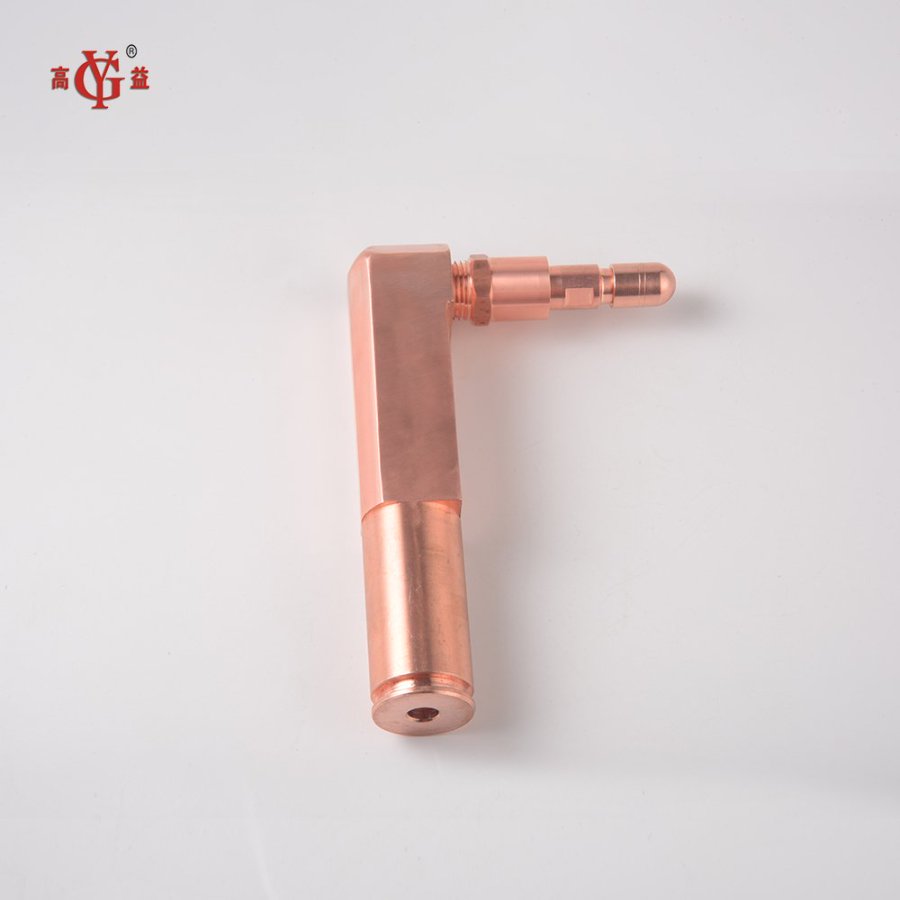
Spot welding is a widely used technique in the manufacturing and automotive industries, relying on precise equipment to ensure effective results. One of the critical components in the spot welding process is the electrode arm. Understanding its functionality and maintenance is essential for professionals involved in welding applications.
The spot welding electrode arm serves as the bridge between the welding machine and the workpieces being joined. It holds the electrodes that are responsible for creating the weld, applying a controlled amount of heat and pressure. The design of the electrode arm is paramount, as it needs to accommodate various workpiece thicknesses and materials. Typically constructed from conductive materials, the arm must also possess durability to withstand the high temperatures generated during the welding process.
When selecting or maintaining spot welding electrode arms, several factors should be considered. First, the material of the arm affects its thermal conductivity and wear resistance. Copper is commonly used due to its excellent electrical conductivity and resistance to oxidation. However, advancements in materials science have led to the development of specialized alloys that can improve the lifespan and efficiency of the arms.
In terms of maintenance, regular inspection of the electrode arms is crucial. Look for signs of wear or damage, especially on the tips where direct contact with the workpieces occurs. Over time, the electrode tips can degrade, leading to inconsistent weld quality. Replacing worn tips promptly can help maintain a high standard of welding and prevent defects in the final product.
Additionally, the alignment of the electrode arms is vital. Misalignment can lead to improper pressure distribution, resulting in weak welds or even damage to the workpieces. It is advisable to regularly calibrate the arms to ensure they are positioned correctly in relation to the welding points.
Another aspect to enhance the performance of spot welding electrode arms is the optimization of the welding parameters. Adjusting the welding time, pressure, and current can greatly influence the quality of the weld. Understanding the specific requirements for different materials can help professionals make informed decisions about the settings for their welding operations.
In conclusion, spot welding electrode arms play a crucial role in achieving high-quality welds. By focusing on material selection, maintenance, alignment, and parameter optimization, professionals can ensure their welding operations run smoothly and efficiently. This knowledge not only enhances the quality of the welds but also contributes to the longevity and reliability of welding equipment.
The spot welding electrode arm serves as the bridge between the welding machine and the workpieces being joined. It holds the electrodes that are responsible for creating the weld, applying a controlled amount of heat and pressure. The design of the electrode arm is paramount, as it needs to accommodate various workpiece thicknesses and materials. Typically constructed from conductive materials, the arm must also possess durability to withstand the high temperatures generated during the welding process.
When selecting or maintaining spot welding electrode arms, several factors should be considered. First, the material of the arm affects its thermal conductivity and wear resistance. Copper is commonly used due to its excellent electrical conductivity and resistance to oxidation. However, advancements in materials science have led to the development of specialized alloys that can improve the lifespan and efficiency of the arms.
In terms of maintenance, regular inspection of the electrode arms is crucial. Look for signs of wear or damage, especially on the tips where direct contact with the workpieces occurs. Over time, the electrode tips can degrade, leading to inconsistent weld quality. Replacing worn tips promptly can help maintain a high standard of welding and prevent defects in the final product.
Additionally, the alignment of the electrode arms is vital. Misalignment can lead to improper pressure distribution, resulting in weak welds or even damage to the workpieces. It is advisable to regularly calibrate the arms to ensure they are positioned correctly in relation to the welding points.
Another aspect to enhance the performance of spot welding electrode arms is the optimization of the welding parameters. Adjusting the welding time, pressure, and current can greatly influence the quality of the weld. Understanding the specific requirements for different materials can help professionals make informed decisions about the settings for their welding operations.
In conclusion, spot welding electrode arms play a crucial role in achieving high-quality welds. By focusing on material selection, maintenance, alignment, and parameter optimization, professionals can ensure their welding operations run smoothly and efficiently. This knowledge not only enhances the quality of the welds but also contributes to the longevity and reliability of welding equipment.
TAG:
Related Posts
Understanding the Essentials of Spot Welding Electrode Arms
Spot welding is a widely used technique in the manufacturing and automotive industries, relying on precise equipment to ensure effective results. One of the critical components in the spot welding process is the electrode arm. Understanding its functionality and maintenance is essential for professionals involved in welding applications.
The spot welding electrode arm serves as the bridge between