
Maximizing Efficiency: Selecting the Best Welding Torch Nozzle for Optimal Performance
Apr 26,2026
Maximizing Efficiency: Selecting the Best Welding Torch Nozzle for Optimal Performance
Table of Contents
1. Understanding Welding Torch Nozzles
2. The Importance of Selecting the Right Nozzle
3. Types of Welding Torch Nozzles
3.1. Conical Nozzles
3.2. Swirl Nozzles
3.3. Flat Nozzles
3.4. Specialty Nozzles
4. Key Factors to Consider When Choosing a Nozzle
4.1. Material Compatibili
Maximizing Efficiency: Selecting the Best Welding Torch Nozzle for Optimal Performance
Table of Contents
1. Understanding Welding Torch Nozzles
2. The Importance of Selecting the Right Nozzle
3. Types of Welding Torch Nozzles
3.1. Conical Nozzles
3.2. Swirl Nozzles
3.3. Flat Nozzles
3.4. Specialty Nozzles
4. Key Factors to Consider When Choosing a Nozzle
4.1. Material Compatibility
4.2. Size and Diameter
4.3. Application Type
4.4. Heat Resistance
5. Tips for Optimizing Welding Efficiency
6. Troubleshooting Common Nozzle Issues
7. Frequently Asked Questions (FAQs)
8. Conclusion
1. Understanding Welding Torch Nozzles
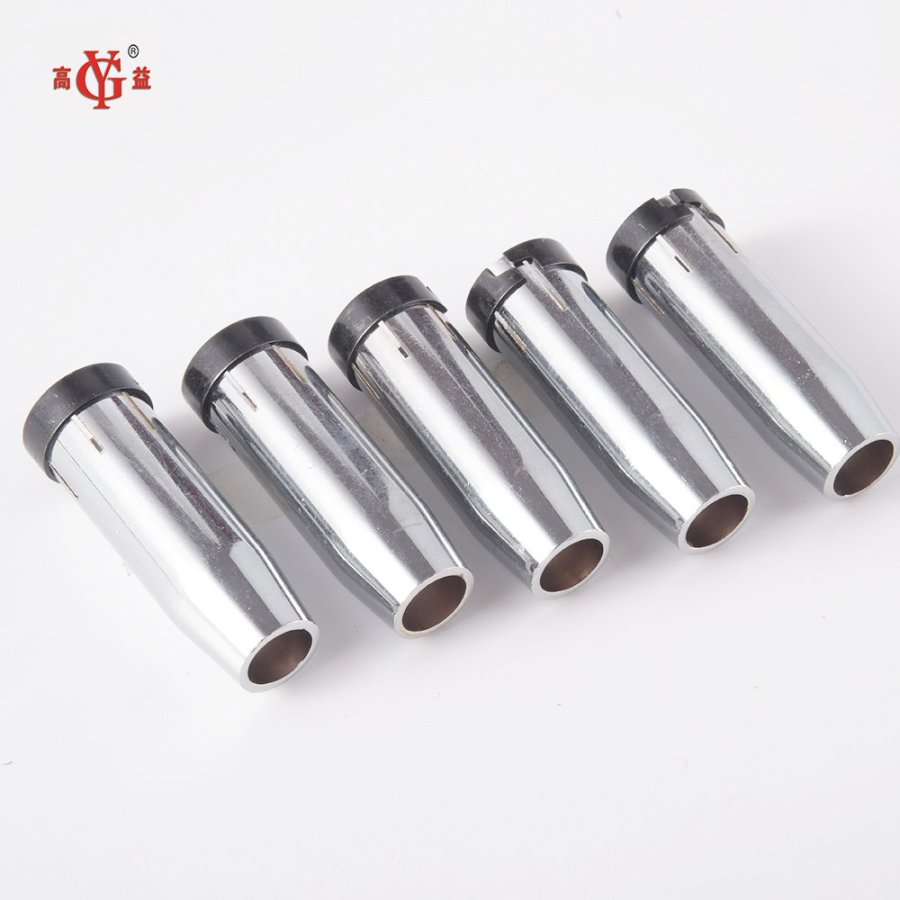
Welding torch nozzles are essential components that play a crucial role in the welding process. They are designed to direct and control the flow of gases and heat during welding, ensuring a clean and efficient weld. Selecting the right nozzle is vital, as it can significantly impact the quality of the weld and the overall efficiency of the welding operation.
2. The Importance of Selecting the Right Nozzle
Choosing the appropriate welding torch nozzle is not merely a matter of preference; it directly affects several aspects of welding performance. The right nozzle can enhance weld penetration, reduce spatter, and promote better arc stability. Conversely, an incorrect nozzle can lead to poor weld quality, increased waste, and even safety hazards.
3. Types of Welding Torch Nozzles
Understanding the different types of welding torch nozzles is essential for maximizing efficiency. Here, we explore the most common types used in various welding applications.
3.1. Conical Nozzles
Conical nozzles are widely used for their ability to focus the arc and achieve precision in welding. They are ideal for applications requiring a narrow bead and excellent control over heat input.
3.2. Swirl Nozzles
Swirl nozzles are designed to create a swirling gas flow that enhances the stability of the arc. This type is particularly effective in TIG welding, where a consistent arc is crucial for achieving high-quality welds.
3.3. Flat Nozzles
Flat nozzles are often used in applications requiring wide welds. They provide a broader heat distribution, making them suitable for welding thicker materials.
3.4. Specialty Nozzles
Specialty nozzles are tailored for specific welding processes and applications. They may include features such as extended lengths or unique shapes to accommodate unique welding requirements.
4. Key Factors to Consider When Choosing a Nozzle
When selecting a welding torch nozzle, several factors come into play. Understanding these aspects can guide you towards making the right choice.
4.1. Material Compatibility
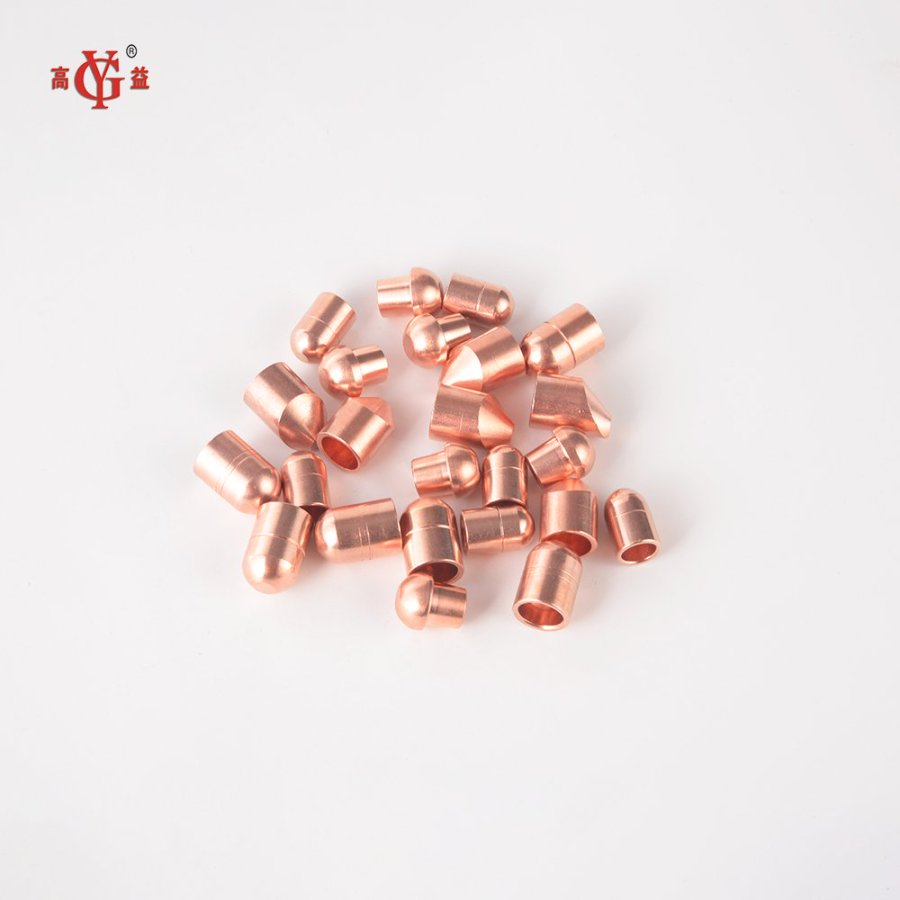
Ensure the nozzle material is compatible with the type of welding you are performing. For example, copper nozzles are common in MIG welding, while ceramic nozzles are preferred in high-temperature applications.
4.2. Size and Diameter
The size and diameter of the nozzle influence the flow of gas and the width of the weld bead. A larger diameter may be suitable for thicker materials, while smaller diameters are ideal for precision welding.
4.3. Application Type
Consider the specific welding application. Different processes, such as MIG, TIG, or stick welding, may require different types of nozzles to optimize performance.
4.4. Heat Resistance
Select nozzles with adequate heat resistance to withstand high temperatures without deforming or losing efficiency. Materials with high thermal conductivity can help maintain optimal performance.
5. Tips for Optimizing Welding Efficiency
To maximize welding efficiency, consider the following tips:
1. **Regular Maintenance:** Keep the nozzle clean and free from obstructions to ensure a consistent flow of gas and heat.
2. **Proper Settings:** Adjust your welding machine settings based on the type of nozzle and material being welded.
3. **Material Preparation:** Clean and prepare the base materials adequately to promote better fusion during welding.
4. **Practice Techniques:** Improve your welding techniques through practice to achieve better control and efficiency.
6. Troubleshooting Common Nozzle Issues
Even with the right nozzle, issues may arise during welding. Here are some common problems and their solutions:
1. **Excessive Spatter:** This can occur due to incorrect voltage settings or improper nozzle selection. Adjust the settings or choose a nozzle that better suits the material.
2. **Poor Arc Stability:** If the arc flickers, ensure the nozzle is clean and free of blockage. Additionally, check your gas flow rate.
3. **Overheating:** If the nozzle overheats, it may be undersized for the application. Consider using a larger nozzle or reducing the welding speed.
7. Frequently Asked Questions (FAQs)
1. What is the best material for a welding torch nozzle?
The best material depends on the application. Copper is often used for MIG welding, while ceramic nozzles are ideal for high-temperature TIG welding.
2. How do I know the right size nozzle for my project?
The right size typically depends on the thickness of the material being welded. Thicker materials usually require larger nozzles to promote better heat distribution.
3. Can I use the same nozzle for different welding processes?
While some nozzles can be used across different processes, it's generally recommended to use process-specific nozzles for optimal performance.
4. How often should I replace my welding nozzle?
Nozzles should be replaced when they show signs of wear, deformation, or damage. Regular inspection can help determine the right time for replacement.
5. What can I do to reduce spatter during welding?
Ensure proper settings, clean the base material, and select the correct nozzle type to minimize spatter during welding.
8. Conclusion
In conclusion, selecting the best welding torch nozzle is critical for maximizing efficiency and achieving high-quality welds. By understanding the various types of nozzles, considering key selection factors, and implementing best practices, you can significantly enhance your welding performance. Whether you're a seasoned professional or a DIY enthusiast, making informed choices about your welding equipment will lead to better results and increased satisfaction in your projects. Take the time to invest in the right nozzle, and you will reap the benefits in your welding endeavors.
TAG:
Previous
Related Posts
Maximizing Efficiency: Selecting the Best Welding Torch Nozzle for Optimal Performance
Maximizing Efficiency: Selecting the Best Welding Torch Nozzle for Optimal Performance
Table of Contents
1. Understanding Welding Torch Nozzles
2. The Importance of Selecting the Right Nozzle
3. Types of Welding Torch Nozzles
3.1. Conical Nozzles
3.2. Swirl Nozzles
3.3. Flat Nozzles
3.4. Specialty Nozzles
4. Key Factors to Consider When Choosing a Nozzle
4.1. Material Compatibili