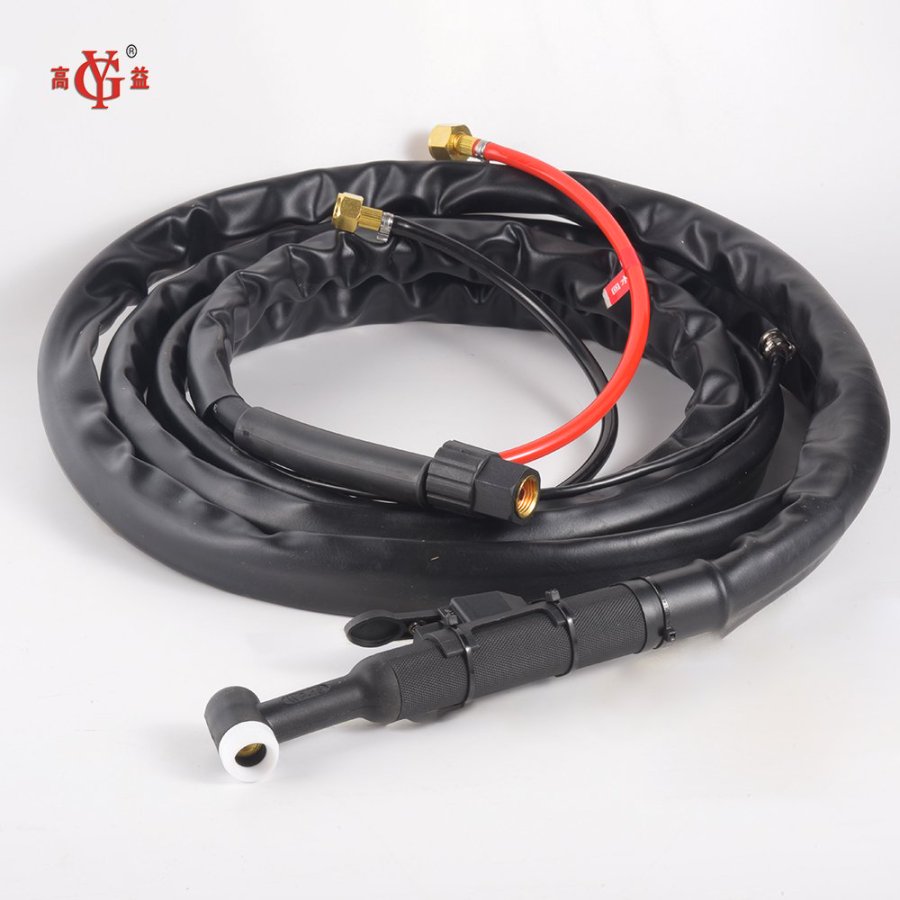

Understanding the Importance of Non-Inductive Welding Cable for Electricians
Apr 22,2026
Understanding the Importance of Non-Inductive Welding Cable for Electricians
Electricians play a vital role in ensuring safety and efficiency in electrical installations and maintenance. Among the tools and materials they use, the choice of welding cable can significantly impact the success of their projects. In this article, we delve into the importance of non-inductive welding cables, discussing
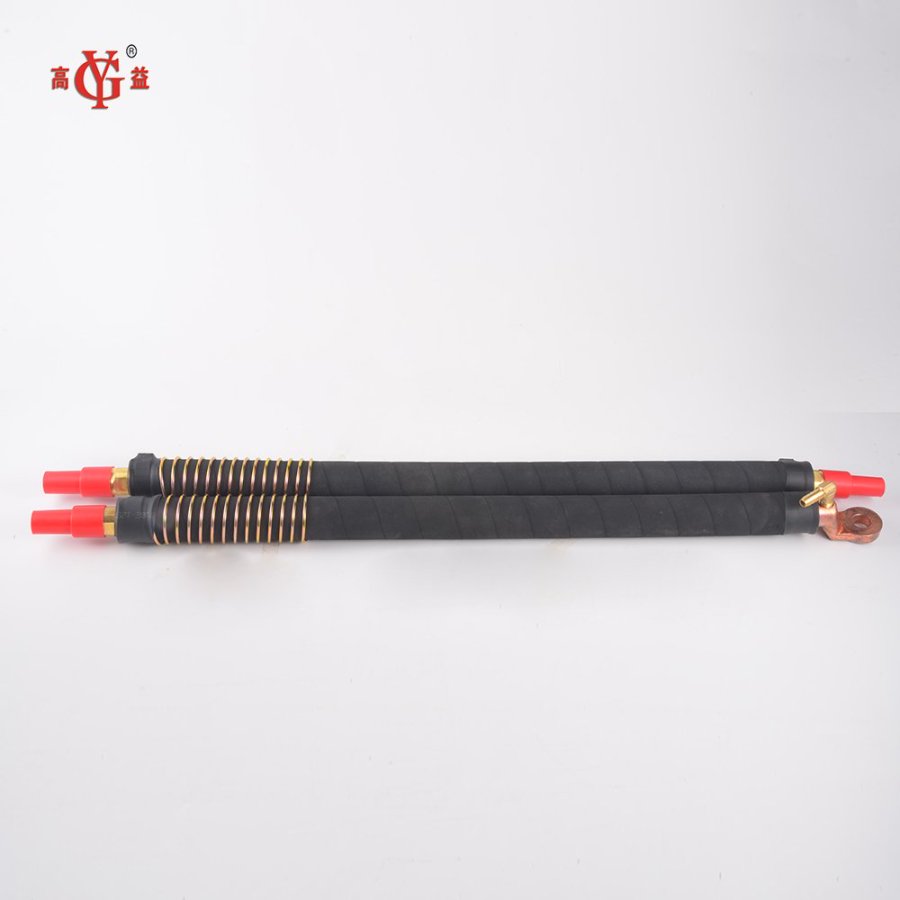
Understanding the Importance of Non-Inductive Welding Cable for Electricians
Electricians play a vital role in ensuring safety and efficiency in electrical installations and maintenance. Among the tools and materials they use, the choice of welding cable can significantly impact the success of their projects. In this article, we delve into the importance of non-inductive welding cables, discussing their unique properties, applications, and selection criteria.
What is Non-Inductive Welding Cable?
Non-inductive welding cable is a specialized type of electrical cable designed specifically for welding applications. Unlike traditional cables, non-inductive welding cables minimize inductance, ensuring that the electromagnetic fields generated during welding do not negatively affect the performance. This feature is crucial in high-frequency welding applications where precision and consistency are paramount.
Why Inductance Matters in Welding
Inductance can lead to several issues in welding, including:
- **Voltage Spikes**: Inductive loads can create voltage spikes that may damage sensitive equipment.
- **Weld Quality**: High inductance can result in inconsistent weld quality, leading to weak joints.
- **Safety Hazards**: Uncontrolled inductance can create hazardous situations for electricians and operators.
By using non-inductive welding cables, electricians can mitigate these risks, ensuring safer and more effective welding processes.
Key Benefits of Non-Inductive Welding Cable
Investing in non-inductive welding cables offers several advantages:
1. Enhanced Safety
Safety is paramount in any electrical work. Non-inductive welding cables reduce the risk of electrical interference, which can create unsafe working conditions. By minimizing electromagnetic interference, electricians can work with greater confidence and fewer hazards.
2. Improved Weld Quality
Non-inductive cables contribute to the production of high-quality welds. The reduction in inductance ensures that the welding process remains stable, resulting in stronger and more reliable connections. This is especially important in industries where structural integrity is critical.
3. Greater Efficiency
Welding processes can be time-consuming and costly. Non-inductive welding cables help streamline these processes by reducing the likelihood of errors and rework. Electricians can complete jobs more efficiently, saving both time and resources.
4. Versatility in Applications
Non-inductive welding cables are suitable for a wide range of applications, including:
- **MIG Welding**: Perfect for metal inert gas welding, where stability is crucial.
- **TIG Welding**: Ideal for tungsten inert gas welding, where precision matters.
- **Stick Welding**: Suitable for arc welding applications across various industries.
Choosing the Right Non-Inductive Welding Cable
Selecting the appropriate non-inductive welding cable involves considering several factors:
1. Cable Specifications
Understanding the technical specifications of welding cables is essential. Key features include:
- **Ampacity**: Ensure the cable can handle the required current load without overheating.
- **Voltage Rating**: Choose cables that can accommodate the voltage levels used in your welding operations.
- **Insulation Material**: Opt for insulation that can withstand the conditions in which the cable will be used, such as heat and abrasion resistance.
2. Length and Flexibility
Depending on the job site and application, the length and flexibility of the cable matter. Longer cables may be necessary for larger projects, while flexibility aids in maneuverability in tight spaces.
3. Environmental Conditions
Consider the environment where the welding will take place. Cables exposed to harsh conditions, such as moisture, extreme temperatures, or chemicals, require special protective features to ensure longevity and performance.
4. Compliance and Standards
Ensure that the chosen non-inductive welding cable meets industry standards and regulations. Look for certifications that guarantee safety and performance, such as UL (Underwriters Laboratories) or IEC (International Electrotechnical Commission) compliance.
Applications of Non-Inductive Welding Cable in Electrical Work
Non-inductive welding cables find use in various applications across different industries:
1. Manufacturing and Fabrication
In manufacturing plants, non-inductive welding cables are essential for creating high-quality assemblies in automotive, aerospace, and construction industries. The stability provided by these cables facilitates automated welding processes, improving overall production efficiency.
2. Maintenance and Repair
Electricians involved in maintenance and repair work benefit from using non-inductive welding cables. They can quickly address issues in electrical systems and ensure that repairs are performed safely and effectively.
3. Construction Sites
On construction sites, non-inductive welding cables are vital for structural welding, where durability and safety are crucial. Electricians can rely on these cables to deliver consistent results, ensuring that structures meet safety standards.
4. Marine Applications
In marine environments, where exposure to moisture and salt is common, non-inductive welding cables with appropriate insulation are vital. They ensure reliable performance and safety in critical marine installations.
Best Practices for Handling Non-Inductive Welding Cable
To maximize the benefits of non-inductive welding cables, electricians should follow best practices for handling and maintenance:
1. Proper Storage
Store welding cables in a cool, dry place to prevent damage from moisture and extreme temperatures. Avoid exposing the cables to direct sunlight for extended periods to protect the insulation.
2. Regular Inspections
Conduct regular inspections of the cables for signs of wear and damage. Look for fraying, cuts, or other issues that may compromise performance. Replacing damaged cables promptly helps maintain safety and efficiency.
3. Use the Correct Equipment
When using non-inductive welding cables, ensure that all connectors and equipment are compatible and rated for the specific applications. This compatibility prevents electrical issues and enhances safety during operations.
FAQs About Non-Inductive Welding Cable
1. What is the difference between inductive and non-inductive welding cables?
Inductive cables generate electromagnetic fields during use, potentially causing voltage spikes and affecting weld quality. Non-inductive cables minimize these effects, enhancing safety and performance.
2. Can non-inductive welding cables be used for other electrical applications?
While primarily designed for welding, non-inductive cables can be used in other applications where reduced inductance is beneficial. However, it’s essential to consider the specific requirements of each application.
3. How do I determine the right size of welding cable for my project?
The right size depends on the required amperage, length of the cable run, and specific application. Consulting the manufacturer's guidelines and following industry standards will help ensure proper sizing.
4. Are non-inductive welding cables more expensive than standard cables?
Non-inductive welding cables may have a higher initial cost due to their specialized design and materials. However, their enhanced performance and safety can lead to cost savings in the long run.
5. How can I extend the lifespan of my non-inductive welding cables?
Proper storage, regular inspections, and using appropriate connectors will help extend the lifespan of your welding cables. Avoiding excessive bending and protecting the cables from harsh environments also contributes to their longevity.
Conclusion
Understanding the importance of non-inductive welding cables is essential for electricians aiming to enhance the quality and safety of their work. By selecting the right cable, following best practices, and understanding their applications, electricians can significantly improve their welding operations. Investing in high-quality non-inductive cables not only ensures superior performance but also contributes to overall project success, setting a strong foundation for a safe and efficient electrical environment.
TAG:
Previous
Previous:
Related Posts
Understanding the Importance of Non-Inductive Welding Cable for Electricians
Understanding the Importance of Non-Inductive Welding Cable for Electricians
Electricians play a vital role in ensuring safety and efficiency in electrical installations and maintenance. Among the tools and materials they use, the choice of welding cable can significantly impact the success of their projects. In this article, we delve into the importance of non-inductive welding cables, discussing