
The Essential Guide to Plasma Cutting Torches for Metal Fabrication
Apr 11,2026
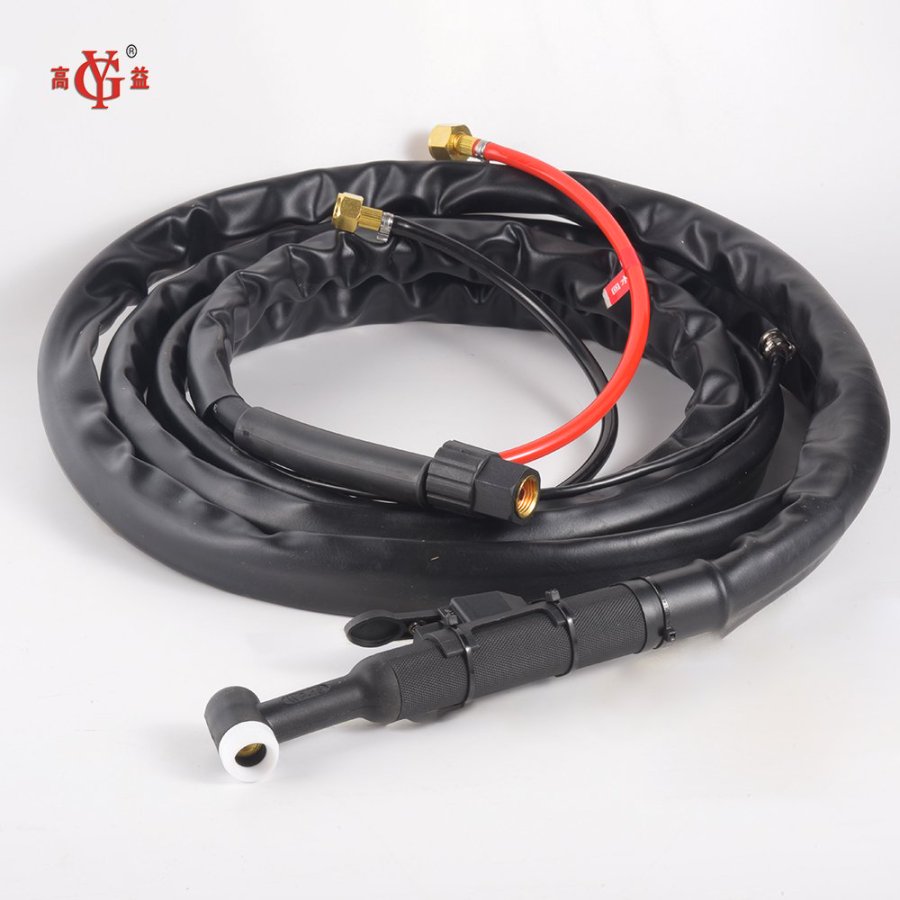
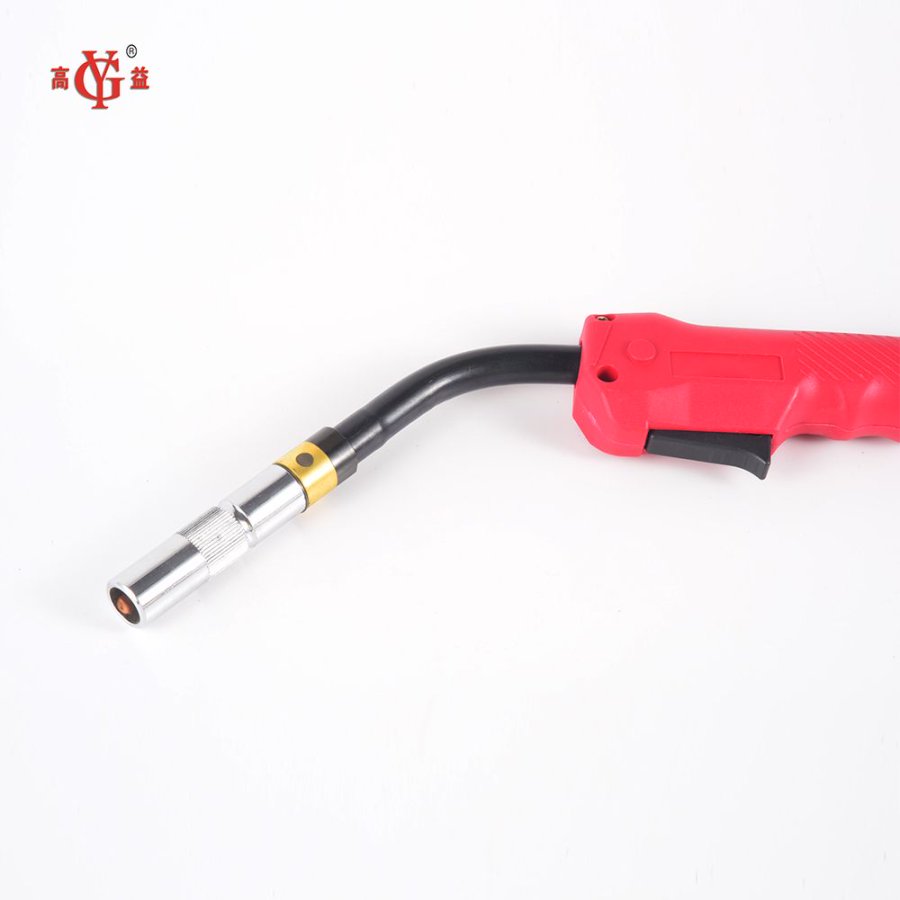
Plasma cutting torches are indispensable tools in the realm of metal fabrication, offering precision and efficiency in cutting various metal materials. Utilizing a high-temperature plasma arc, they are designed to melt and sever metal, making them ideal for a wide range of applications, from construction to automotive repair.
One of the principal advantages of plasma cutting is speed. Compared to

Plasma cutting torches are indispensable tools in the realm of metal fabrication, offering precision and efficiency in cutting various metal materials. Utilizing a high-temperature plasma arc, they are designed to melt and sever metal, making them ideal for a wide range of applications, from construction to automotive repair.
One of the principal advantages of plasma cutting is speed. Compared to traditional cutting methods, plasma torches can cut through metals more quickly and with less effort. This efficiency is essential in industrial settings where time is of the essence, allowing fabricators to complete projects in a timely manner.
Another significant benefit of plasma cutting torches is their versatility. They can cut through a variety of metals, including steel, aluminum, and copper, making them suitable for diverse fabrication tasks. This adaptability is particularly useful for businesses that handle multiple types of materials.
The technology behind plasma cutting involves creating an electric arc between an electrode and the workpiece. This arc ionizes the gas in the torch, turning it into plasma—a state of matter that conducts electricity and reaches extremely high temperatures. The plasma jet then blows away the molten material, resulting in a clean and precise cut. This cutting process minimizes the heat-affected zone, reducing warping and ensuring the integrity of the workpiece.
When selecting a plasma cutting torch, it's crucial to consider factors such as the thickness of the material being cut, the type of gas used, and the power supply available. High-frequency start torches and pilot arc torches are common options, each with unique benefits tailored to specific cutting needs.
Safety is paramount when operating plasma cutting torches. Users must wear appropriate protective gear, including gloves, goggles, and flame-resistant clothing, to prevent injuries from sparks and intense light. Additionally, proper ventilation is necessary to avoid inhaling harmful fumes generated during the cutting process.
In conclusion, plasma cutting torches are a game-changer in the field of metal fabrication. Their speed, versatility, and precision make them essential tools for industrial applications. By understanding their operation and safety measures, fabricators can harness the full potential of plasma cutting technology to enhance their productivity and quality of work. As the metalworking industry continues to evolve, staying informed about advancements in plasma cutting will ensure that businesses remain competitive and efficient in their operations.
One of the principal advantages of plasma cutting is speed. Compared to traditional cutting methods, plasma torches can cut through metals more quickly and with less effort. This efficiency is essential in industrial settings where time is of the essence, allowing fabricators to complete projects in a timely manner.
Another significant benefit of plasma cutting torches is their versatility. They can cut through a variety of metals, including steel, aluminum, and copper, making them suitable for diverse fabrication tasks. This adaptability is particularly useful for businesses that handle multiple types of materials.
The technology behind plasma cutting involves creating an electric arc between an electrode and the workpiece. This arc ionizes the gas in the torch, turning it into plasma—a state of matter that conducts electricity and reaches extremely high temperatures. The plasma jet then blows away the molten material, resulting in a clean and precise cut. This cutting process minimizes the heat-affected zone, reducing warping and ensuring the integrity of the workpiece.
When selecting a plasma cutting torch, it's crucial to consider factors such as the thickness of the material being cut, the type of gas used, and the power supply available. High-frequency start torches and pilot arc torches are common options, each with unique benefits tailored to specific cutting needs.
Safety is paramount when operating plasma cutting torches. Users must wear appropriate protective gear, including gloves, goggles, and flame-resistant clothing, to prevent injuries from sparks and intense light. Additionally, proper ventilation is necessary to avoid inhaling harmful fumes generated during the cutting process.
In conclusion, plasma cutting torches are a game-changer in the field of metal fabrication. Their speed, versatility, and precision make them essential tools for industrial applications. By understanding their operation and safety measures, fabricators can harness the full potential of plasma cutting technology to enhance their productivity and quality of work. As the metalworking industry continues to evolve, staying informed about advancements in plasma cutting will ensure that businesses remain competitive and efficient in their operations.
TAG:
Previous
Previous:
Related Posts
The Essential Guide to Plasma Cutting Torches for Metal Fabrication
Plasma cutting torches are indispensable tools in the realm of metal fabrication, offering precision and efficiency in cutting various metal materials. Utilizing a high-temperature plasma arc, they are designed to melt and sever metal, making them ideal for a wide range of applications, from construction to automotive repair.
One of the principal advantages of plasma cutting is speed. Compared to