
Revamping Your Workshop: Essential Tools for TIG Welding
Apr 10,2026
Revamping Your Workshop: Essential Tools for TIG Welding
TIG welding, also known as Gas Tungsten Arc Welding (GTAW), is widely respected for its precision and versatility. In order to fully harness the potential of TIG welding, having the right tools and a well-structured workshop is crucial. This article will guide you through the essential tools required for TIG welding, as well as tips on how to revamp your workshop for optimal efficiency and safety.
Table of Contents
- Understanding TIG Welding: The Basics
- Essential Tools for TIG Welding
- Upgrading Your Workshop Space
- Safety Equipment for TIG Welding
- Maintaining Your TIG Welding Tools
- Improving Your Welding Techniques
- Troubleshooting Common Welding Issues
- FAQs about TIG Welding and Workshop Revamp
- Conclusion
Understanding TIG Welding: The Basics
TIG welding is known for its ability to produce high-quality welds across a variety of metals including stainless steel, aluminum, and magnesium. The process employs a non-consumable tungsten electrode to produce the weld. Unlike other welding methods, TIG welding allows for greater control over the weld pool, which is essential for achieving precise results.
The importance of mastering this technique cannot be overstated; the quality of your welds can significantly impact the durability and aesthetic of your projects. To get started, it's critical to understand the equipment and tools that will enhance your TIG welding experience.
Essential Tools for TIG Welding
1. TIG Welding Machine
The heart of your TIG welding setup is the welding machine itself. When selecting a TIG welder, consider the following:
- Power Output: Make sure the machine can handle the thickness of material you'll be working with.
- AC/DC Capabilities: For welding aluminum, you’ll need an AC/DC machine. Choose a model that supports both current types.
- Portability: If you plan on moving your welder frequently, consider a lightweight, portable model.
2. TIG Torch
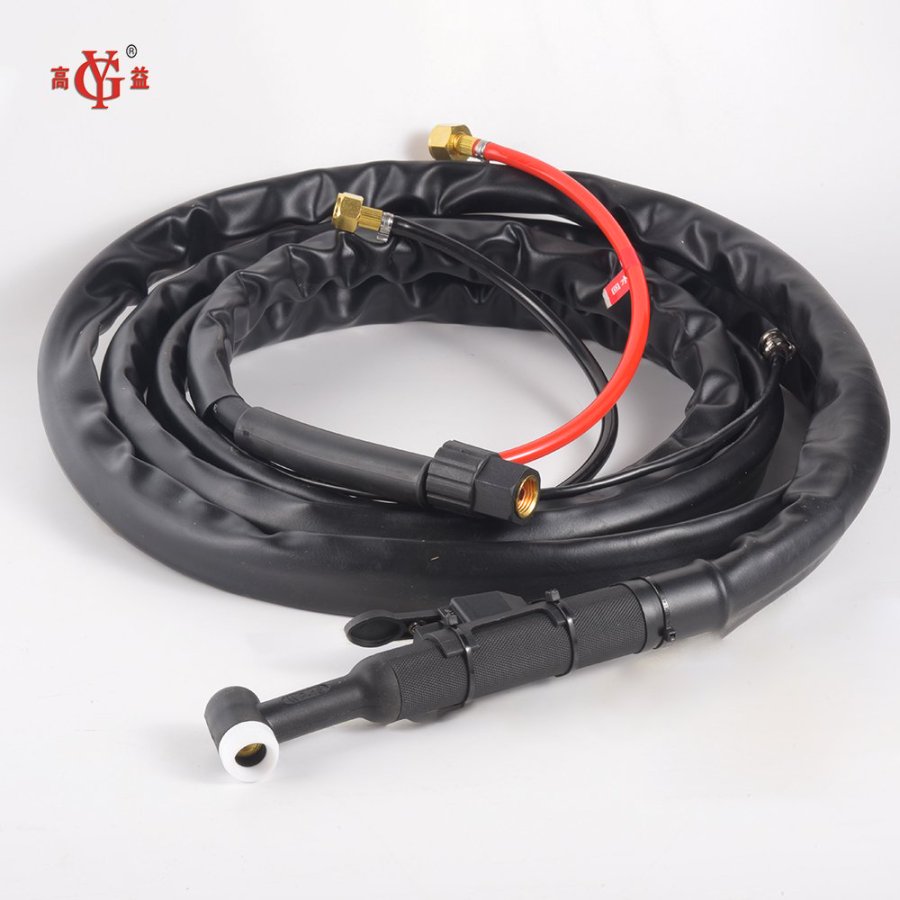
The TIG torch is a crucial component that allows you to direct the heat and filler material to the weld joint. Ensure you select:
- Proper Size: The size of the torch should match the amperage of your welding machine.
- Comfortable Grip: A torch with a comfortable grip will reduce fatigue during long welding sessions.
3. Tungsten Electrodes
Selecting the right tungsten electrode is essential for quality welds. Factors to consider include:
- Type: Thoriated, ceriated, and lanthanated electrodes are commonly used. Choose based on your specific welding requirements.
- Diameter: Match the electrodes to the thickness of the materials you are welding.
4. Filler Rods
Filler rods are vital for adding material to your weld joint. Consider the following:
- Material Compatibility: Ensure the filler rod matches the base metal for optimal results.
- Diameter: Choose a diameter that suits the application and the thickness of the parent material.
5. Gas Supply System
Having a reliable gas supply system is essential for TIG welding. In this case, the shielding gas, typically argon, protects the weld area from contamination:
- Tank: Ensure you have a high-quality argon gas tank that is properly secured.
- Regulator: A good regulator controls the flow of gas effectively. Check for compatibility with your gas tank.
6. Work Table and Clamps
A sturdy work table is essential for supporting your projects. Consider using:
- Adjustable Height Tables: This allows you to find the most comfortable working position.
- Quality Clamps: Ensure your workpieces are secure during welding to prevent any movement.
Upgrading Your Workshop Space
1. Organizing Your Tools
Efficiency in your workspace can be drastically improved by organizing your tools. Consider:
- Tool Racks: Install racks for easy access to your TIG welding tools.
- Storage Bins: Use bins to keep small parts and accessories organized.
2. Improving Lighting
Proper lighting is crucial for fine welding work. Ensure that your workshop is well-lit by:
- Using LED Lights: They provide bright, energy-efficient lighting.
- Adjustable Task Lights: These can be positioned for optimal visibility on your workpiece.
3. Ventilation
Welding produces fumes that can be harmful to health. Enhance ventilation in your workshop by:
- Installing Exhaust Fans: This helps in removing fumes and improving air quality.
- Opening Windows: Whenever possible, open windows for natural ventilation.
Safety Equipment for TIG Welding
1. Personal Protective Equipment (PPE)
Safety should always be your top priority when welding. Ensure you have the following PPE:
- Welding Helmet: A helmet with a proper shade lens protects your eyes from harmful UV rays.
- Gloves: Use high-quality gloves that provide heat resistance and dexterity.
- Protective Clothing: Wear flame-resistant clothing to safeguard against sparks and heat.
2. Fire Safety Equipment
Preventive measures are essential in any welding workshop. Consider these fire safety tools:
- Fire Extinguisher: Keep a suitable fire extinguisher readily available.
- First Aid Kit: Ensure you have a well-stocked first aid kit in case of accidents.
Maintaining Your TIG Welding Tools
Proper maintenance extends the life of your TIG welding equipment and ensures consistent performance. Follow these maintenance tips:
1. Regular Cleaning
After each welding session, clean the torch and other components to prevent contamination. Use a soft brush and appropriate cleaning solutions to remove any residue.
2. Proper Storage
Store your tools in a clean, dry place. Ensure that your welding machine, torch, and filler rods are protected from moisture and debris.
3. Periodic Inspections
Regularly inspect your equipment for wear and tear. Replace any damaged parts immediately to maintain safety and performance.
Improving Your Welding Techniques
Mastering TIG welding requires practice and a deep understanding of techniques. Here are ways to enhance your skills:
1. Practice on Scrap Metal
Before working on your main project, practice on scrap metal to refine your technique. Experiment with different settings on your TIG welder to understand how they affect the weld.
2. Attend Workshops or Classes
Consider enrolling in welding workshops or classes to learn from experienced professionals. This can provide valuable hands-on experience and insights into advanced techniques.
3. Utilize Online Resources
Explore online tutorials and forums to learn from the welding community. Videos and articles can offer tips and demonstrations that enhance your understanding.
Troubleshooting Common Welding Issues
TIG welding can present various challenges. Here are common issues and their solutions:
1. Inconsistent Weld Beads
If you notice inconsistent weld beads, check your settings, travel speed, and the angle of the torch. Adjust these factors to achieve a more uniform bead.
2. Contamination in the Weld
To prevent contamination, ensure that your workpiece is clean and free of oil, dust, and moisture. Use appropriate shielding gas and verify the gas flow rate.
3. Porosity in the Weld
Porosity can occur due to contamination or inadequate shielding gas coverage. Inspect your gas supply and adjust the flow rate as needed.
FAQs about TIG Welding and Workshop Revamp
1. What is the best type of TIG welder for beginners?
For beginners, a multi-process inverter welder with AC/DC capabilities is often recommended, as it offers versatility for different materials.
2. How often should I replace tungsten electrodes?
Tungsten electrodes should be replaced when they become contaminated or develop a rounded tip. Regular inspection after each welding session is advisable.
3. What is the proper gas flow rate for TIG welding?
The typical gas flow rate for TIG welding ranges from 10 to 20 cubic feet per hour (CFH), but this may vary based on the size of the torch and the specific application.
4. Can I use TIG welding for stainless steel?
Yes, TIG welding is highly effective for stainless steel. It produces clean, precise welds that minimize the risk of contamination.
5. How can I improve my TIG welding technique?
Practice regularly on scrap materials, watch online tutorials, and consider taking professional welding classes to enhance your skills.
Conclusion
Revamping your workshop and understanding the essential tools for TIG welding can significantly enhance your welding experience. From selecting the right equipment to optimizing your workspace for efficiency and safety, each element plays a vital role in achieving superior welds. By adopting best practices in maintenance and continuously improving your techniques, you can take your TIG welding skills to the next level. Whether you are a hobbyist or a professional, investing in the right tools and environment will yield rewarding results in your welding projects.
TAG:
Previous
Related Posts
Revamping Your Workshop: Essential Tools for TIG Welding