
The Essential Guide to MIG Welding Torches: Features and Benefits
Apr 09,2026
MIG welding, or Metal Inert Gas welding, is a popular method used in various industries due to its efficiency and versatility. At the heart of this process lies the MIG welding torch, an essential tool that impacts the quality and ease of the welding operation. Understanding the features and benefits of MIG welding torches can greatly enhance your welding experience.
A MIG welding torch consists o
MIG welding, or Metal Inert Gas welding, is a popular method used in various industries due to its efficiency and versatility. At the heart of this process lies the MIG welding torch, an essential tool that impacts the quality and ease of the welding operation. Understanding the features and benefits of MIG welding torches can greatly enhance your welding experience.
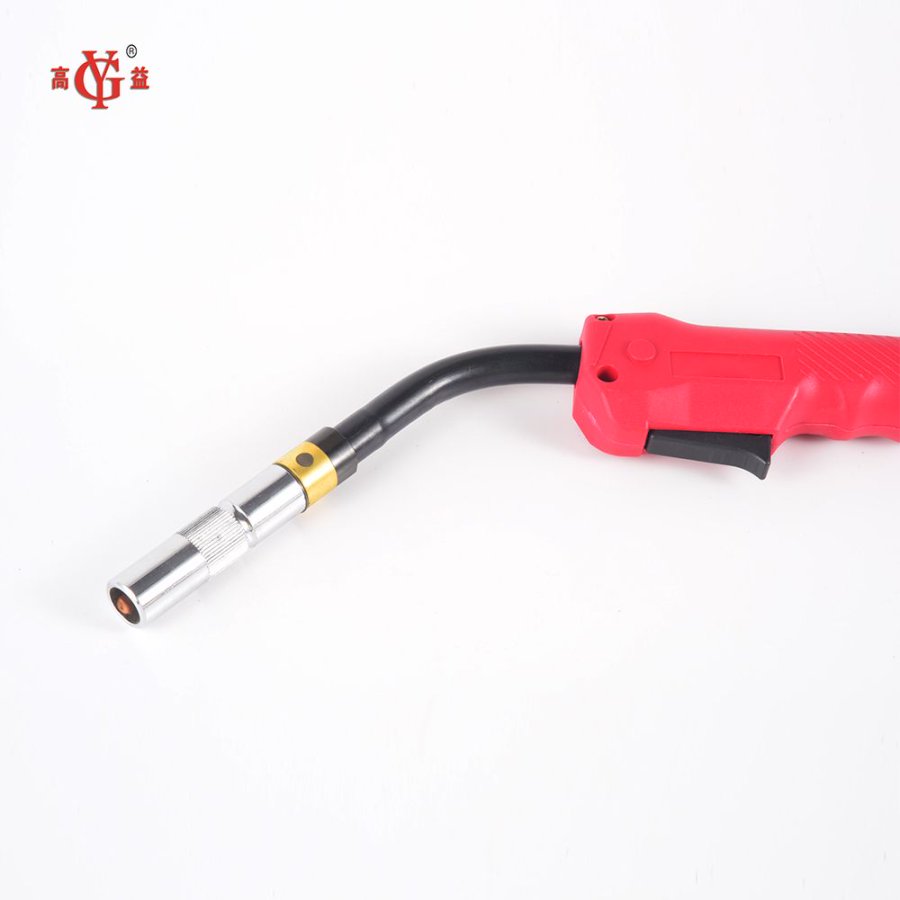
A MIG welding torch consists of several key components, including a nozzle, contact tip, and gas diffuser. The nozzle, typically made from copper or ceramic, directs the flow of shielding gas to protect the weld pool from contamination. The contact tip, which houses the wire feed, is crucial for transferring the welding current to the electrode wire. It is vital to choose a torch with durable components to ensure longevity and optimal performance.
One of the significant advantages of using a MIG welding torch is its ability to provide a consistent and controlled arc. This results in a cleaner weld with fewer defects. Additionally, MIG welding is known for its speed, making it a preferred choice for projects with tight deadlines. A reliable MIG torch allows for smooth wire feeding, which contributes to a more efficient welding process.
When selecting a MIG welding torch, consider factors such as the amperage rating and the type of welding you plan to perform. For example, light-duty welding may require a torch with a lower amperage, while heavy-duty applications will necessitate a more robust torch designed to handle higher temperatures. Additionally, pay attention to the size and weight of the torch, as a comfortable grip can significantly affect your welding precision and control.
Regular maintenance of your MIG welding torch is essential for ensuring optimal performance. Keep the torch clean by removing any spatter or debris that can hinder the gas flow or cause poor arc stability. Periodically check the contact tip for wear and replace it if necessary. This simple maintenance routine can prolong the life of your torch and enhance the quality of your welds.
In conclusion, a MIG welding torch is a vital tool that can impact the success of your welding projects. By understanding its components, advantages, and maintenance practices, you can make informed decisions that lead to better welding outcomes. Whether you are a seasoned professional or a beginner, selecting the right MIG welding torch will ultimately improve your efficiency and the quality of your work.
A MIG welding torch consists of several key components, including a nozzle, contact tip, and gas diffuser. The nozzle, typically made from copper or ceramic, directs the flow of shielding gas to protect the weld pool from contamination. The contact tip, which houses the wire feed, is crucial for transferring the welding current to the electrode wire. It is vital to choose a torch with durable components to ensure longevity and optimal performance.
One of the significant advantages of using a MIG welding torch is its ability to provide a consistent and controlled arc. This results in a cleaner weld with fewer defects. Additionally, MIG welding is known for its speed, making it a preferred choice for projects with tight deadlines. A reliable MIG torch allows for smooth wire feeding, which contributes to a more efficient welding process.
When selecting a MIG welding torch, consider factors such as the amperage rating and the type of welding you plan to perform. For example, light-duty welding may require a torch with a lower amperage, while heavy-duty applications will necessitate a more robust torch designed to handle higher temperatures. Additionally, pay attention to the size and weight of the torch, as a comfortable grip can significantly affect your welding precision and control.
Regular maintenance of your MIG welding torch is essential for ensuring optimal performance. Keep the torch clean by removing any spatter or debris that can hinder the gas flow or cause poor arc stability. Periodically check the contact tip for wear and replace it if necessary. This simple maintenance routine can prolong the life of your torch and enhance the quality of your welds.
In conclusion, a MIG welding torch is a vital tool that can impact the success of your welding projects. By understanding its components, advantages, and maintenance practices, you can make informed decisions that lead to better welding outcomes. Whether you are a seasoned professional or a beginner, selecting the right MIG welding torch will ultimately improve your efficiency and the quality of your work.
TAG:
Related Posts
Innovations in Welding Wire Feeders: What’s New in MIG Technology?
Innovations in Welding Wire Feeders: What’s New in MIG Technology?
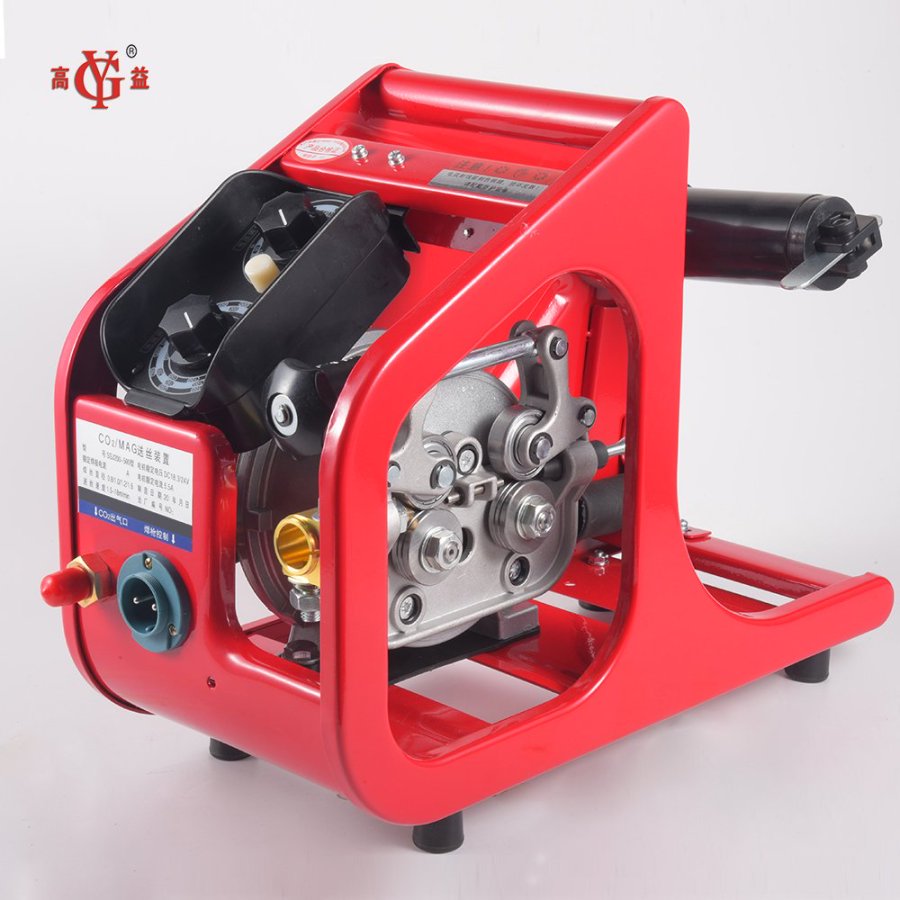
Introduction to MIG Welding and Wire Feeders
MIG (Metal Inert Gas) welding has revolutionized the way industries approach metal fabrication. This process utilizes a continuous wire feed that serves as both the electrode and filler material, allowing welders to create high-quality welds with greater speed and efficiency. Central t