
Understanding Different Types of Welding Torch Nozzles: A Comprehensive Guide
Apr 08,2026
Understanding Different Types of Welding Torch Nozzles: A Comprehensive Guide
Table of Contents
1. Introduction to Welding Torch Nozzles
2. What Are Welding Torch Nozzles?
3. Importance of Choosing the Right Welding Torch Nozzle
4. Types of Welding Torch Nozzles
4.1 Gas Welding Nozzles
4.2 TIG Welding Nozzles
4.3 MIG Welding Nozzles
Understanding Different Types of Welding Torch Nozzles: A Comprehensive Guide
Table of Contents
- 1. Introduction to Welding Torch Nozzles
- 2. What Are Welding Torch Nozzles?
- 3. Importance of Choosing the Right Welding Torch Nozzle
- 4. Types of Welding Torch Nozzles
- 4.1 Gas Welding Nozzles
- 4.2 TIG Welding Nozzles
- 4.3 MIG Welding Nozzles
- 4.4 Plasma Cutting Nozzles
- 4.5 Specialty Welding Nozzles
- 5. Factors to Consider When Selecting a Welding Torch Nozzle
- 6. Maintenance and Care for Welding Torch Nozzles
- 7. Common Misconceptions About Welding Nozzles
- 8. Conclusion
1. Introduction to Welding Torch Nozzles
Welding is an essential process in various industries, from construction to automotive manufacturing. The effectiveness and quality of a weld significantly depend on the tools used, particularly the welding torch nozzle. Understanding the various types of welding torch nozzles and their specific applications can enhance your welding proficiency and project outcomes.
2. What Are Welding Torch Nozzles?
Welding torch nozzles are integral components attached to welding torches, designed to direct and concentrate the heat generated by various welding processes. They come in different shapes, sizes, and materials, each tailored for specific welding techniques and applications. The nozzle controls the gas flow and the shape of the flame, thus influencing the quality of the weld.
3. Importance of Choosing the Right Welding Torch Nozzle
Choosing the correct welding torch nozzle is crucial for achieving optimal welding results. A suitable nozzle can provide better control over the flame, enhance the weld's quality, and increase efficiency. An inappropriate nozzle may lead to poor weld penetration, excessive spatter, and even damage to the materials being welded.
4. Types of Welding Torch Nozzles
Welding torch nozzles can be categorized based on the welding method they support. Below, we delve into the various types of welding torches and their specific nozzles.
4.1 Gas Welding Nozzles
Gas welding nozzles are primarily used for oxy-acetylene welding. They come in various sizes depending on the thickness of the metal being welded. The design allows for a mix of oxygen and fuel gas, creating a flame that can reach high temperatures needed for welding.
4.2 TIG Welding Nozzles
TIG (Tungsten Inert Gas) welding nozzles are designed to protect the tungsten electrode and the molten weld pool from contamination. These nozzles are typically made from ceramic and come in different diameters to accommodate various welding rods and materials. The nozzle’s design influences the shielding gas coverage, ensuring a clean and precise weld.
4.3 MIG Welding Nozzles
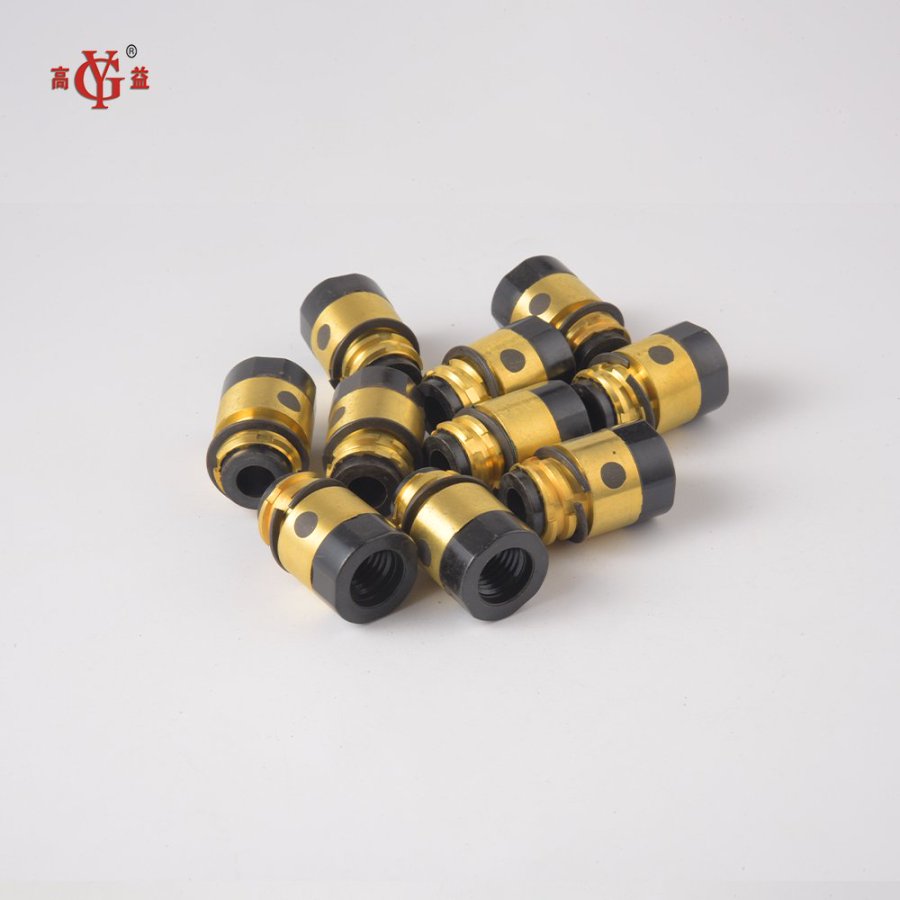
MIG (Metal Inert Gas) welding nozzles are crucial for MIG welding processes. They are designed to deliver a steady flow of shielding gas while allowing solid wire to pass through for welding. MIG nozzles are available in contact and non-contact types, with different sizes to suit various applications.
4.4 Plasma Cutting Nozzles
Plasma cutting nozzles are specialized nozzles used in plasma arc cutting. They focus the plasma gas and are available in different configurations to handle diverse materials. These nozzles are designed for high temperature and pressure, ensuring effective cutting and accuracy.
4.5 Specialty Welding Nozzles
Specialty nozzles cater to specific welding needs, including nozzles for aluminum welding and those designed for deep penetration tasks. They may incorporate advanced features like cooling systems or unique shapes to enhance performance in specialized applications.
5. Factors to Consider When Selecting a Welding Torch Nozzle
When selecting a welding torch nozzle, several factors should be taken into account:
5.1 Material Type
The material type being welded significantly impacts the choice of nozzle. Different materials require specific nozzles to achieve optimal results.
5.2 Weld Thickness
The thickness of the weld joint also influences nozzle selection. Thicker materials typically require larger nozzles to provide adequate gas flow and heat.
5.3 Welding Position
Welding position (flat, horizontal, vertical, or overhead) affects nozzle design and configuration. Certain nozzles may perform better in specific positions.
5.4 Flame Type
The type of flame required for the welding process (neutral, oxidizing, or carburizing) plays a crucial role in determining the appropriate nozzle.
5.5 Gas Flow Rate
The nozzle must accommodate the gas flow rate necessary for the specific welding task. A mismatch can lead to poor weld quality or safety hazards.
6. Maintenance and Care for Welding Torch Nozzles
Proper maintenance of welding torch nozzles is vital for longevity and performance. Here are some best practices:
6.1 Regular Cleaning
Cleaning nozzles regularly prevents clogging and ensures consistent gas flow. Use appropriate cleaning tools to remove any buildup without damaging the nozzle.
6.2 Inspection for Damage
Regularly inspect nozzles for signs of wear, cracks, or damage. Replace any nozzles that show significant deterioration to maintain welding quality.
6.3 Correct Storage
Store nozzles in a clean, dry place to avoid contamination. Proper storage prevents unnecessary damage and prolongs their usability.
7. Common Misconceptions About Welding Nozzles
Several myths surround welding torches and nozzles. Here, we debunk some of the common misconceptions:
7.1 All Nozzles Are Interchangeable
One common misunderstanding is that all welding nozzles can be used interchangeably. In reality, each nozzle is designed for specific welding processes and should be matched accordingly.
7.2 Size Doesn’t Matter
Another misconception is that a larger nozzle will always deliver better results. While larger nozzles provide more gas flow, they may not be suitable for all projects, especially intricate welding tasks.
7.3 Only Experienced Welders Need to Worry About Nozzles
Many novice welders believe that nozzle selection is only a concern for experienced professionals. However, understanding nozzles is crucial for anyone involved in welding to ensure quality and safety.
8. Conclusion
Understanding the various types of welding torch nozzles is crucial for any welder seeking to improve their craft. From gas welding to specialized applications, each nozzle type serves a unique purpose in the welding process. Selecting the right nozzle not only enhances the quality of your welds but also increases efficiency and safety. By considering factors like material type, weld thickness, and gas flow rate, you can make informed decisions that lead to successful welding projects. Emphasizing proper maintenance and debunking common misconceptions will further enhance your welding experience and outcomes. Equip yourself with the knowledge of welding torch nozzles, and elevate your welding skills to new heights.
FAQs
1. What is the main function of a welding torch nozzle?
The primary function of a welding torch nozzle is to direct and concentrate the heat generated by the welding process, ensuring effective and precise welding.
2. How do I know which nozzle size to use?
The nozzle size depends on the thickness of the material being welded and the specific welding technique used. Refer to manufacturer specifications or industry standards for guidance.
3. Can I use the same nozzle for different welding processes?
No, different welding processes require specific nozzles to achieve optimal results. Using the wrong nozzle can lead to poor weld quality and safety issues.
4. How often should I clean my welding nozzles?
Regular cleaning is recommended, especially after each welding session. This prevents clogging and ensures consistent gas flow.
5. What are the signs that a welding nozzle needs replacement?
Signs that a welding nozzle needs replacement include visible damage, excessive wear, or a significant decrease in welding performance.
TAG:
Related Posts
Innovations in Welding Wire Feeders: What’s New in MIG Technology?
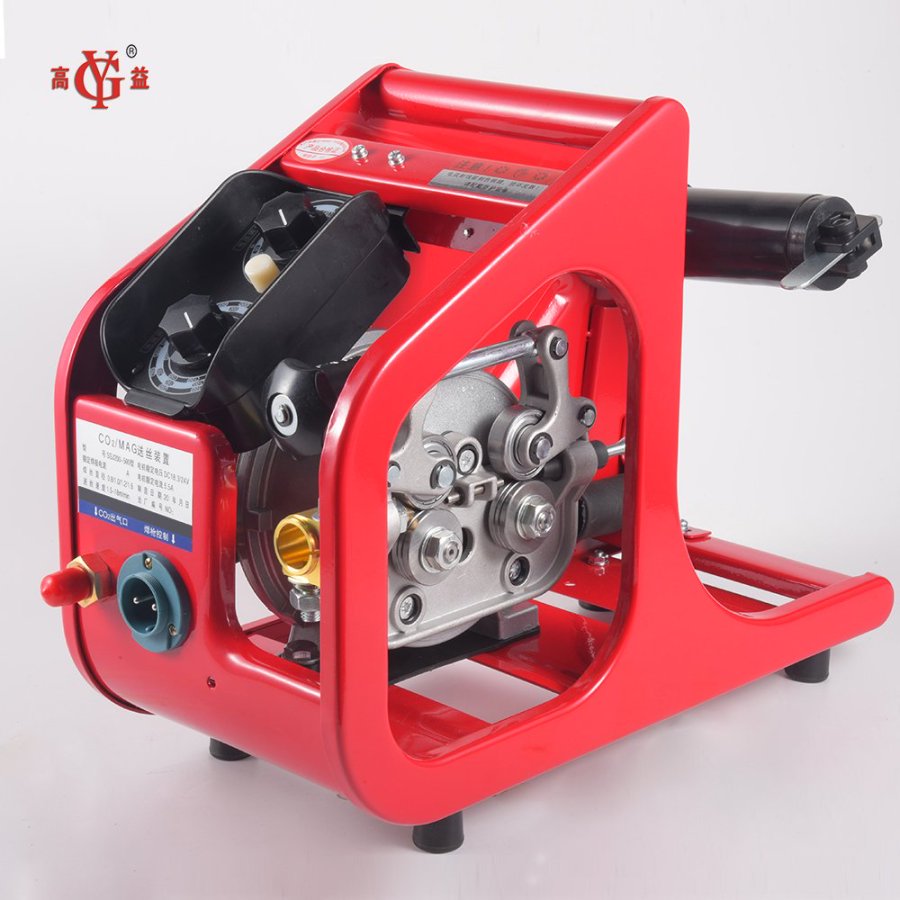
Innovations in Welding Wire Feeders: What’s New in MIG Technology?
Introduction to MIG Welding and Wire Feeders
MIG (Metal Inert Gas) welding has revolutionized the way industries approach metal fabrication. This process utilizes a continuous wire feed that serves as both the electrode and filler material, allowing welders to create high-quality welds with greater speed and efficiency. Central t