
Innovations in Welding Wire Feeders: What’s New in MIG Technology?
Oct 06,2026
Innovations in Welding Wire Feeders: What’s New in MIG Technology?
Introduction to MIG Welding and Wire Feeders
MIG (Metal Inert Gas) welding has revolutionized the way industries approach metal fabrication. This process utilizes a continuous wire feed that serves as both the electrode and filler material, allowing welders to create high-quality welds with greater speed and efficiency. Central t
Innovations in Welding Wire Feeders: What’s New in MIG Technology?
Introduction to MIG Welding and Wire Feeders
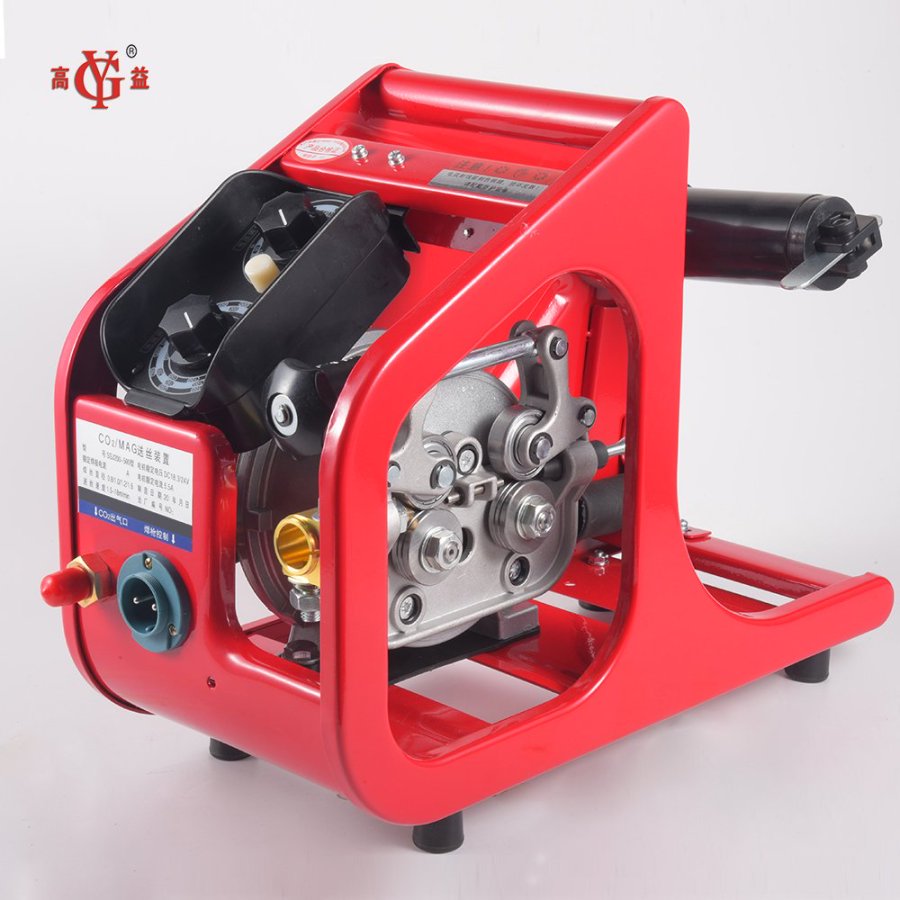
MIG (Metal Inert Gas) welding has revolutionized the way industries approach metal fabrication. This process utilizes a continuous wire feed that serves as both the electrode and filler material, allowing welders to create high-quality welds with greater speed and efficiency. Central to the MIG welding process are welding wire feeders, which play a critical role in ensuring a steady and reliable feed of wire to the welding arc. In this article, we will explore the latest innovations in welding wire feeders and how advancements in MIG technology are transforming the industry.
The Evolution of Welding Wire Feeders
Welding wire feeders have evolved significantly over the years. From basic manual feed mechanisms to advanced digital systems, these machines have undergone constant innovation. The key advancements include:
1. Enhanced Feed Mechanisms
Modern wire feeders are equipped with sophisticated feed mechanisms that ensure consistent wire delivery. Advanced rollers and drive systems reduce slippage and prevent bird-nesting, which can disrupt the welding process. These enhancements lead to more stable arcs and improved weld quality.
2. Digital Controls and Automation
The integration of digital controls has allowed for more precise settings in wire speed and voltage. Digital wire feeders can be programmed to adapt to various materials and thicknesses, enabling welders to achieve optimal results across a range of applications. Automation features, such as automatic wire size recognition, further streamline operations.
Benefits of Digital Controls
- **Increased Precision:** Digital systems provide precise adjustments that can enhance welding performance.
- **User-Friendly Interfaces:** Intuitive interfaces allow operators to easily set and modify parameters.
- **Data Logging:** Advanced models often include data logging capabilities, enabling welders to track performance metrics.
Latest Features in MIG Wire Feeders
The latest models of MIG wire feeders come equipped with features designed to boost productivity and ensure superior welding results. Some of the most notable innovations include:
3. Smart Technology Integration
Smart technology integration is transforming how welding operations are managed. Many new wire feeders are equipped with sensors that monitor various parameters, including temperature, wire feed speed, and even environmental conditions. These sensors can provide real-time feedback, allowing for immediate adjustments to be made, which enhances both safety and quality.
4. Improved Portability and Design
Manufacturers are increasingly focused on creating lightweight and compact wire feeders without sacrificing performance. Portable models are essential for fieldwork and can easily be transported to various job sites. Ergonomic designs also ensure that operators can use them comfortably for extended periods.
Key Design Features
- **Compact Size:** Allowing for easy transport and use in tight spaces.
- **Durable Materials:** Ensuring longevity and reliability in demanding environments.
- **User-Centric Design:** Enhancements that reduce operator fatigue and improve usability.
Impact on Weld Quality and Efficiency
The continued advancements in MIG technology and wire feeders deliver significant benefits in terms of weld quality and efficiency. Factors include:
5. Consistency in Weld Quality
With the introduction of advanced feed mechanisms and smart technology, welders can achieve a superior level of consistency in their welds. This consistency is critical in industries where the structural integrity of welded components is paramount.
6. Time and Cost Efficiency
Enhanced automation and precision also lead to reduced rework and material wastage. As a result, businesses can save time and reduce costs, leading to higher profit margins.
Case Study: Effects on Productivity
Several studies have shown that companies using advanced MIG wire feeders can increase productivity by up to 30%. This improvement results from optimized welding processes, reduced downtime, and higher-quality outputs.
Emerging Trends in MIG Welding Technology
As industries continue to evolve, the trends in MIG welding technology are moving towards greater automation, sustainability, and integration with Industry 4.0 principles.
7. Automation and Robotics
The use of robotic systems in MIG welding is becoming increasingly common. Automated welding solutions allow for higher production rates and consistent quality, especially in large-scale manufacturing processes.
8. Sustainable Practices in Welding
Sustainability is a significant focus across all industries, including welding. New wire feeders are being designed to minimize waste and use more eco-friendly materials. Moreover, advancements in energy efficiency are helping to reduce the overall environmental impact of welding operations.
Green Welding Solutions
- **Recyclable Materials:** Many manufacturers are focusing on creating recyclable wire feeders.
- **Energy Efficiency:** New technologies aim to reduce power consumption during the welding process.
Choosing the Right Welding Wire Feeder for Your Needs
Selecting the appropriate welding wire feeder is crucial for achieving optimal results. Consider the following factors:
9. Type of Welding Applications
Different applications may require specific features. For example, industrial applications may benefit from a feeder with high-feed speeds and robust durability, while hobbyist applications may prioritize portability and ease of use.
10. Material Compatibility
Ensure that the wire feeder you choose is compatible with the materials you will be welding. Different materials, such as aluminum or stainless steel, may require specific feeding mechanisms or wire types.
Key Considerations
- **Compatibility with Wire Types:** Verify that the feeder supports the wire diameters and types you intend to use.
- **Required Features:** Assess whether additional features, such as automation or smart technology, will benefit your specific applications.
FAQs About Innovations in Welding Wire Feeders
**Q1: What are the main advantages of using digital wire feeders?**
A1: Digital wire feeders offer increased precision, user-friendly interfaces, and data logging capabilities, allowing for better control and tracking of welding processes.
**Q2: How do smart technology integrations improve welding?**
A2: Smart technology provides real-time monitoring and feedback, enabling welders to make immediate adjustments for enhanced safety and quality.
**Q3: What should I consider when selecting a wire feeder for MIG welding?**
A3: Consider the type of welding applications, material compatibility, and whether you need additional features like automation or advanced controls.
**Q4: Are there any emerging trends in MIG welding technology?**
A4: Yes, current trends include increased automation, sustainability practices, and the integration of Industry 4.0 principles into welding processes.
**Q5: How does portability affect welding operations?**
A5: Portable wire feeders facilitate work at various job sites, making them ideal for field operations and projects where space is limited.
Conclusion
Innovations in welding wire feeders are fundamentally changing the landscape of MIG welding technology. With advancements in automation, smart technology, and enhanced design features, welders can achieve higher quality, more consistent welds while improving efficiency. As industries continue to focus on sustainability and productivity, the adoption of these new technologies will play a vital role in shaping the future of welding. By understanding the latest innovations and selecting the right equipment, businesses can position themselves at the forefront of the welding industry.
TAG:
Previous
Related Posts
Innovations in Welding Wire Feeders: What’s New in MIG Technology?
Innovations in Welding Wire Feeders: What’s New in MIG Technology?
Introduction to MIG Welding and Wire Feeders
MIG (Metal Inert Gas) welding has revolutionized the way industries approach metal fabrication. This process utilizes a continuous wire feed that serves as both the electrode and filler material, allowing welders to create high-quality welds with greater speed and efficiency. Central t