
Choosing Non-Inductive Welding Cables for a Stable Arc: Essential Insights
Oct 03,2026
In the world of electrical engineering, particularly in the welding industry, the choice of cables significantly impacts the quality and efficiency of the welding process. Non-inductive welding cables are specifically designed to enhance the stability of the arc, ensuring a smoother and more consistent welding performance. Understanding the properties and benefits of these cables can be crucial fo
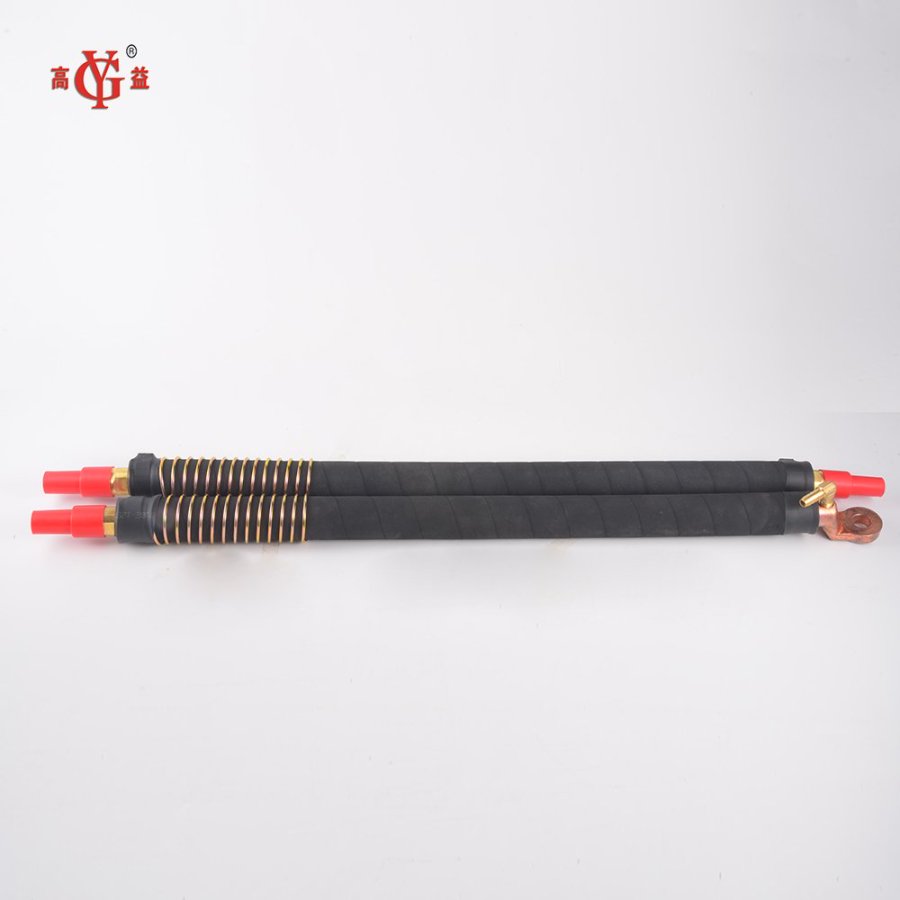
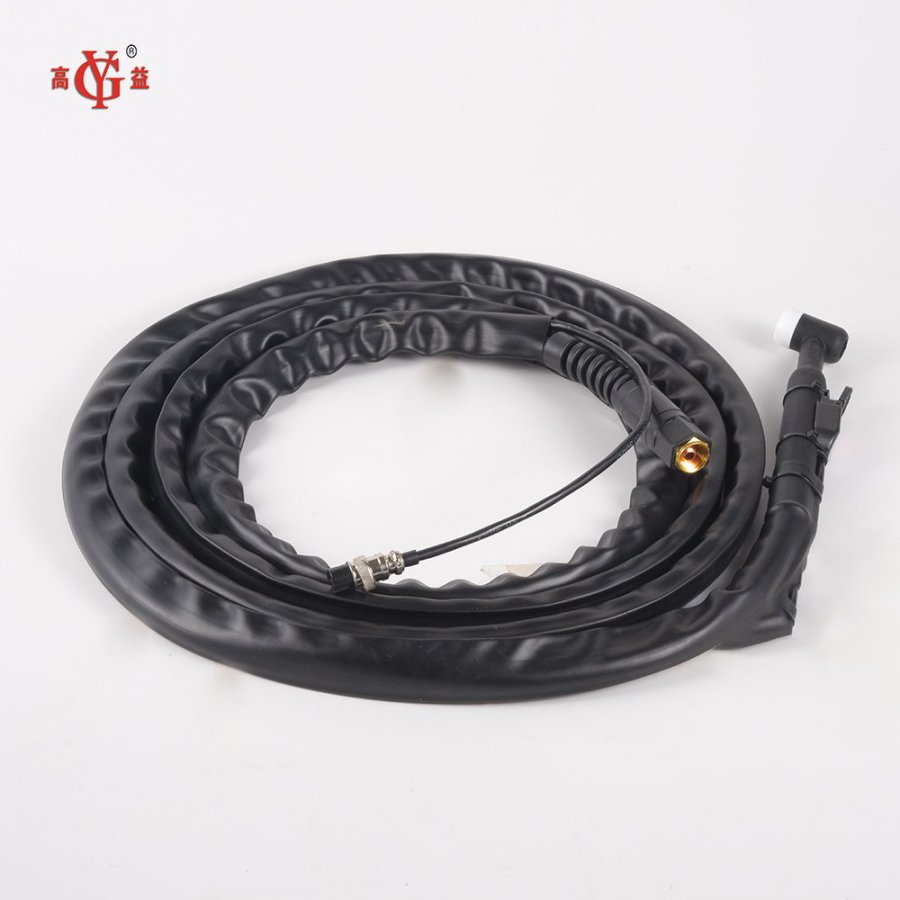
In the world of electrical engineering, particularly in the welding industry, the choice of cables significantly impacts the quality and efficiency of the welding process. Non-inductive welding cables are specifically designed to enhance the stability of the arc, ensuring a smoother and more consistent welding performance. Understanding the properties and benefits of these cables can be crucial for professionals looking to optimize their welding operations.
Non-inductive welding cables are engineered to minimize inductance, which can lead to arc instability. This feature is particularly important for applications that demand precision and reliability. The low inductance characteristic allows for a stable arc, reducing the risk of arc flickering or extinguishing during operation. This stability is vital for achieving high-quality welds and maintaining a consistent bead profile.
One of the main advantages of using non-inductive welding cables is their ability to handle high current loads without experiencing significant voltage drops. This is essential in maintaining the necessary energy levels for welding tasks, especially in demanding environments. A stable arc not only improves the quality of the weld but also enhances productivity by minimizing the need for rework due to poor welds.
Moreover, non-inductive welding cables are designed with materials that offer high flexibility and durability. This flexibility allows for easier maneuvering in various welding positions, which can be a significant advantage in complex projects. Durability is equally important, as these cables are often subjected to harsh working conditions, including exposure to heat, chemicals, and physical abrasion.
When selecting non-inductive welding cables, it’s crucial to consider the specifications that align with your specific welding requirements. Factors such as the cable's ampacity, insulation type, and conductor material can influence the overall performance of the welding process. Utilizing the right type of cable can lead to enhanced arc stability and improved welding efficiency.
In summary, non-inductive welding cables are an excellent choice for those seeking to achieve a stable arc during their welding operations. Their unique properties contribute to the overall quality of the welding process while also promoting increased productivity. Selecting the appropriate non-inductive welding cable can make a significant difference in the quality of your work and the efficiency of your operations. By understanding the benefits and characteristics of these cables, professionals can make informed decisions that enhance their welding performance and results.
Non-inductive welding cables are engineered to minimize inductance, which can lead to arc instability. This feature is particularly important for applications that demand precision and reliability. The low inductance characteristic allows for a stable arc, reducing the risk of arc flickering or extinguishing during operation. This stability is vital for achieving high-quality welds and maintaining a consistent bead profile.
One of the main advantages of using non-inductive welding cables is their ability to handle high current loads without experiencing significant voltage drops. This is essential in maintaining the necessary energy levels for welding tasks, especially in demanding environments. A stable arc not only improves the quality of the weld but also enhances productivity by minimizing the need for rework due to poor welds.
Moreover, non-inductive welding cables are designed with materials that offer high flexibility and durability. This flexibility allows for easier maneuvering in various welding positions, which can be a significant advantage in complex projects. Durability is equally important, as these cables are often subjected to harsh working conditions, including exposure to heat, chemicals, and physical abrasion.
When selecting non-inductive welding cables, it’s crucial to consider the specifications that align with your specific welding requirements. Factors such as the cable's ampacity, insulation type, and conductor material can influence the overall performance of the welding process. Utilizing the right type of cable can lead to enhanced arc stability and improved welding efficiency.
In summary, non-inductive welding cables are an excellent choice for those seeking to achieve a stable arc during their welding operations. Their unique properties contribute to the overall quality of the welding process while also promoting increased productivity. Selecting the appropriate non-inductive welding cable can make a significant difference in the quality of your work and the efficiency of your operations. By understanding the benefits and characteristics of these cables, professionals can make informed decisions that enhance their welding performance and results.
TAG:
Previous:
Related Posts
Choosing Non-Inductive Welding Cables for a Stable Arc: Essential Insights
In the world of electrical engineering, particularly in the welding industry, the choice of cables significantly impacts the quality and efficiency of the welding process. Non-inductive welding cables are specifically designed to enhance the stability of the arc, ensuring a smoother and more consistent welding performance. Understanding the properties and benefits of these cables can be crucial fo