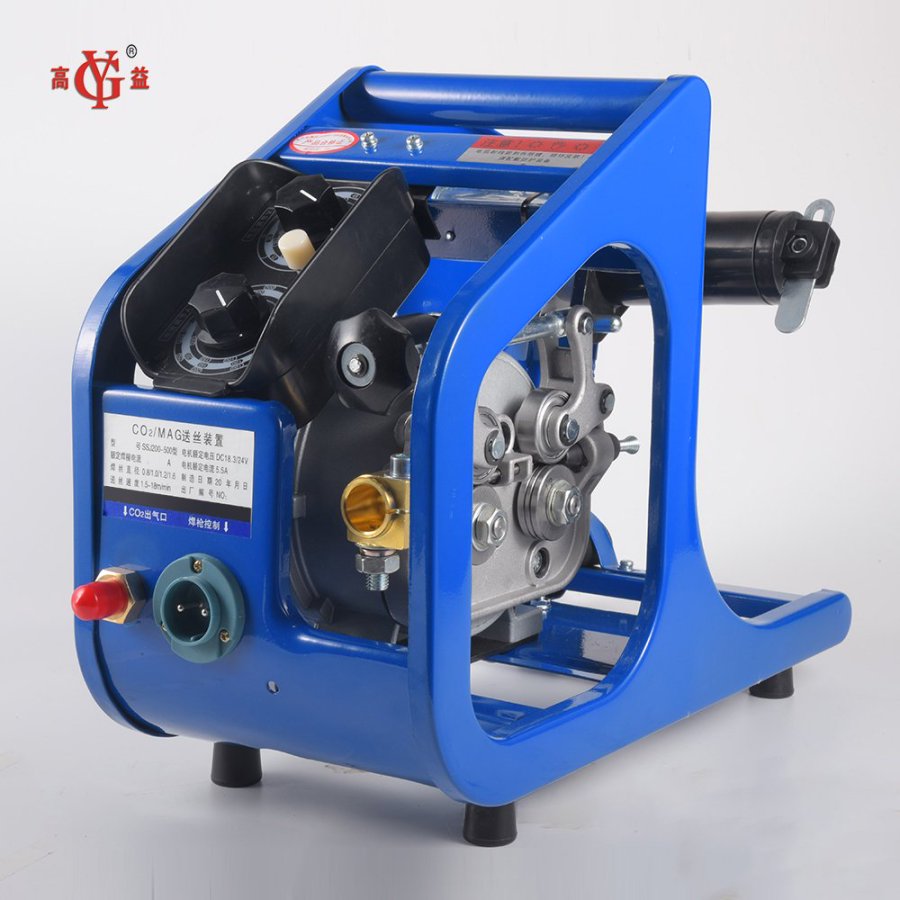

Spot Welding Electrode Arm Maintenance Tips for Longevity
Mar 09,2026
Spot Welding Electrode Arm Maintenance Tips for Longevity
Spot welding is an indispensable process in various industries, providing strong, reliable joints in metal components. However, the longevity and efficiency of your spot welding operations depend significantly on the maintenance of the electrode arms. Proper care not only maximizes performance but also minimizes costly downtime and repairs.
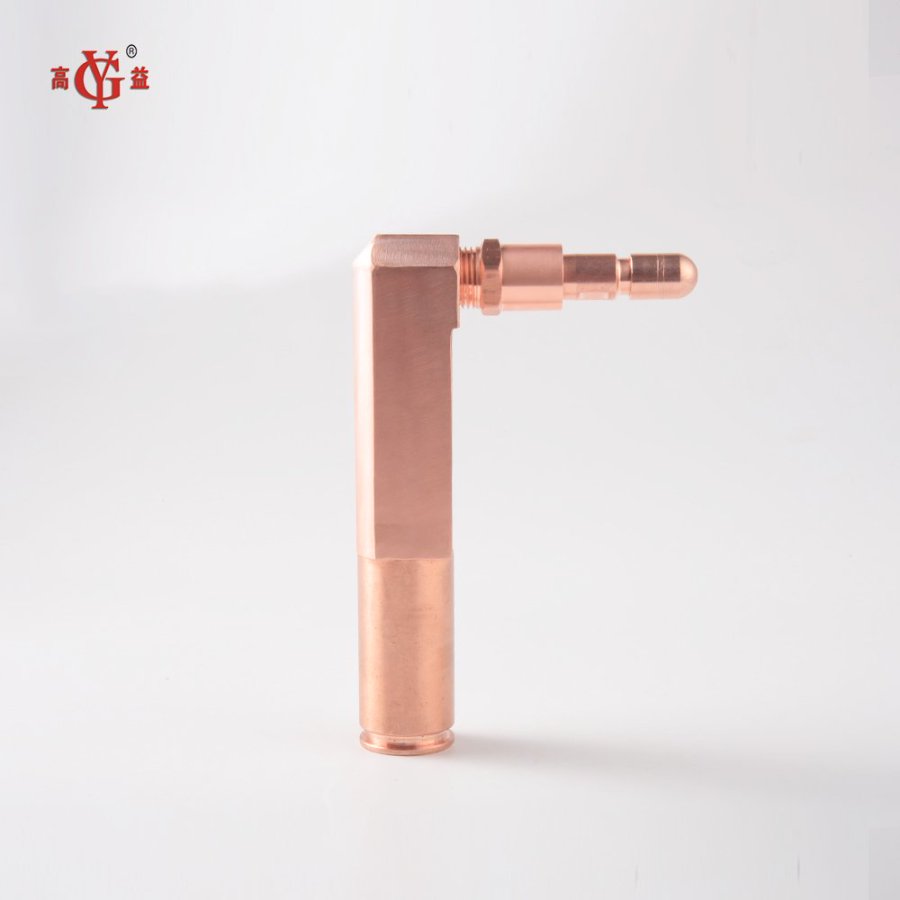
Spot Welding Electrode Arm Maintenance Tips for Longevity
Spot welding is an indispensable process in various industries, providing strong, reliable joints in metal components. However, the longevity and efficiency of your spot welding operations depend significantly on the maintenance of the electrode arms. Proper care not only maximizes performance but also minimizes costly downtime and repairs. This article delves into comprehensive maintenance tips to ensure the long-lasting functionality of your spot welding electrode arms.
Understanding Spot Welding and Electrode Arms
Spot welding utilizes heat generated from electrical resistance to fuse materials together. It’s crucial to understand that the **electrode arms** play a vital role in this process. They hold the electrodes, which press against the materials to create a weld.
The Importance of Proper Maintenance
Regular maintenance of electrode arms is essential for several reasons:
1. **Enhanced Performance**: Well-maintained arms provide consistent pressure and heat, leading to high-quality welds.
2. **Extended Lifespan**: A proactive maintenance routine can significantly prolong the life of your welding equipment.
3. **Cost Efficiency**: Reducing wear and tear can lower the frequency of replacements and repairs, saving you money in the long run.
Essential Maintenance Tips for Spot Welding Electrode Arms
To maintain your spot welding electrode arms effectively, we recommend following these detailed tips:
1. Regular Cleaning Procedures
Keeping the electrode arms clean is the first step toward ensuring their longevity.
- **Use Appropriate Cleaning Solutions**: Select non-corrosive cleaners that won’t damage the arm’s finish. Avoid abrasive materials that could scratch the surface.
- **Daily Cleaning Routine**: Implement a daily cleaning ritual to remove dust, grime, and weld spatter. This will prevent build-up that can interfere with electrode function.
- **Inspect for Damage**: During cleaning, check for signs of wear, such as cracks or excessive pitting. Early detection of damage can prevent more significant issues later on.
2. Inspecting and Replacing Electrodes
The effectiveness of the electrode arms is directly tied to the condition of the electrodes.
- **Monitor Electrode Wear**: Regularly inspect electrodes for signs of wear. Worn-out electrodes can lead to poor weld quality and inconsistent results.
- **Timely Replacement**: Replace electrodes before they reach a critical state. This proactive step ensures optimal welding performance.
3. Lubrication and Joint Maintenance
Proper lubrication is crucial for the smooth operation of electrode arms.
- **Use Recommended Lubricants**: Apply lubricants that are specifically designed for welding equipment. This helps reduce friction and wear on moving parts.
- **Joint Inspection**: Regularly inspect joints and pivot points for signs of wear or damage. Replace any parts that show signs of corrosion or degradation.
4. Calibration and Alignment Checks
Ensuring that your electrode arms are correctly aligned is vital for achieving consistent welding results.
- **Routine Calibration**: Regularly calibrate your welding machines to maintain optimal performance. Misalignments can lead to inconsistent welds and increased wear on the equipment.
- **Alignment Verification**: Check the alignment of electrode arms with the workpieces. Misalignment can create unnecessary stress on the arms, leading to premature failure.
5. Temperature Management
Temperature fluctuations can adversely affect the performance and lifespan of electrode arms.
- **Monitor Operating Temperatures**: Keep an eye on the temperature during operations. Excessive heat can weaken the arms and lead to failure.
- **Cooling Systems**: If possible, integrate cooling systems to manage heat more effectively. This helps maintain optimal operating conditions.
Common Issues and Troubleshooting
Even with the best maintenance practices, issues can arise. Here are common problems associated with spot welding electrode arms and how to address them.
1. Uneven Welds
**Causes**: Misalignment, worn electrodes, or insufficient pressure.
**Solutions**: Check alignment and replace worn electrodes. Ensure that the pressure applied is consistent and correct.
2. Excessive Wear and Tear
**Causes**: Poor maintenance, incorrect lubrication, or using the wrong electrodes.
**Solutions**: Implement a strict maintenance schedule, use appropriate lubricants, and ensure the correct type of electrodes is used for your specific welding needs.
3. Overheating
**Causes**: Continuous operation without breaks or inadequate cooling.
**Solutions**: Allow equipment to cool down regularly and enhance cooling systems if necessary.
Best Practices for Maintaining Spot Welding Equipment
In addition to the maintenance tips outlined earlier, consider these best practices:
1. Training and Staff Education
Ensure that all personnel operating the welding equipment are well-trained in maintenance procedures. Regular training sessions can help reinforce the importance of equipment care.
2. Use Quality Materials
Always invest in high-quality electrodes and materials. Cheap alternatives may save money upfront but can lead to higher costs in maintenance and repairs down the line.
3. Document Maintenance Activities
Keep a detailed log of all maintenance activities performed on your spot welding equipment. This documentation can help track the effectiveness of maintenance practices and identify recurring issues.
FAQs about Spot Welding Electrode Arm Maintenance
1. How often should I clean my spot welding electrode arms?
We recommend cleaning the electrode arms daily to prevent the build-up of contaminants.
2. When should I replace the electrodes?
Electrodes should be replaced when they show visible signs of wear or after a specific number of welds, depending on the material and thickness being welded.
3. What type of lubricant is best for welding equipment?
Use lubricants that are specifically designed for welding applications. These will provide optimal protection and reduce wear on moving parts.
4. How can I tell if my electrode arms are misaligned?
If you notice inconsistent welds or if the welds appear to be off-center, it may indicate misalignment of the electrode arms.
5. What should I do if overheating occurs during operation?
If overheating happens, stop the operation immediately. Allow the equipment to cool down and investigate the cause, such as continuous usage or inadequate cooling systems.
Conclusion
Maintaining the electrode arms of your spot welding equipment is crucial for ensuring longevity and optimal performance. By following the tips and practices outlined in this article, you can significantly extend the lifespan of your welding equipment and enhance the quality of your welds. Remember that regular cleaning, inspection, and proactive maintenance are key to preventing issues and ensuring that your spot welding operations run smoothly. Prioritize these maintenance strategies to achieve the best results and minimize downtime in your welding projects.
TAG:
Related Posts
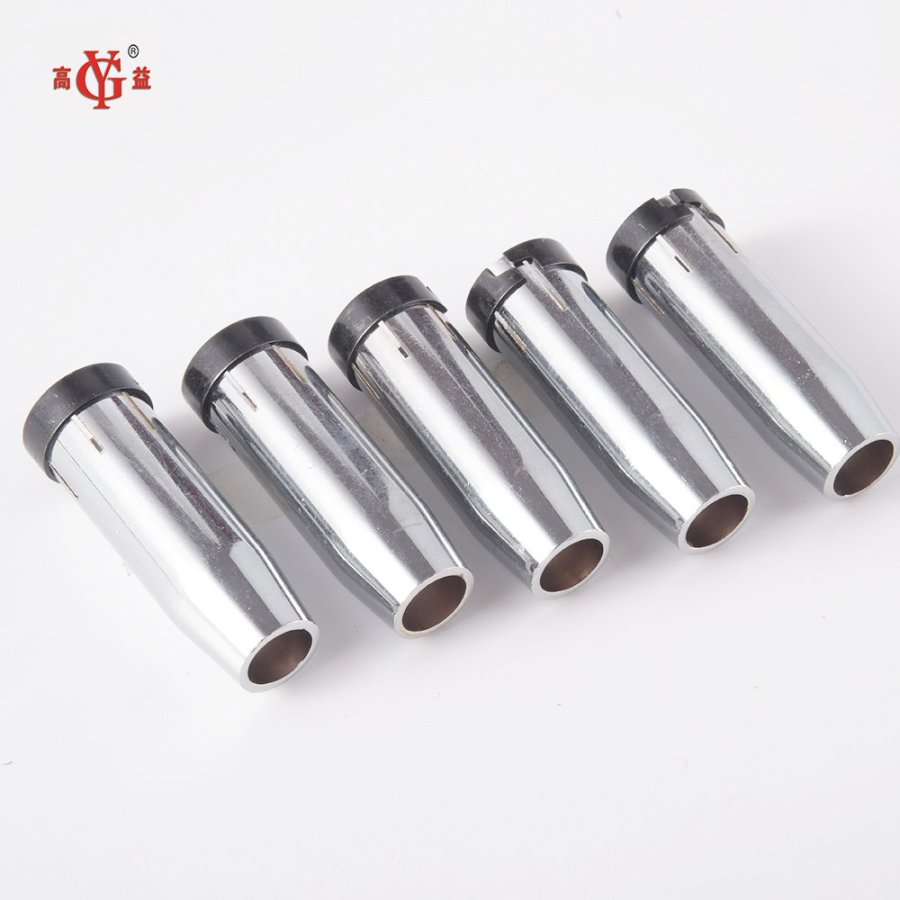
Essential Insights on Welding Torch Nozzles for Professionals
Welding torch nozzles are a fundamental component in various welding processes, playing a crucial role in controlling the gas flow and heat during welding operations. Understanding the different types of welding torch nozzles and their specific applications can significantly enhance efficiency and the quality of your welding projects.
### Types of Welding Torch Nozzles
Welding torch nozzles come