
Understanding Non-Inductive Welding Cables for Stable Arc Performance
Mar 08,2026
When it comes to the world of welding, the quality and reliability of the equipment used play crucial roles in achieving optimal results. One essential component of welding setups is the welding cable, and specifically, non-inductive welding cables, which are designed to provide a stable arc during welding operations.
Non-inductive welding cables are engineered to minimize inductance, ensuring tha
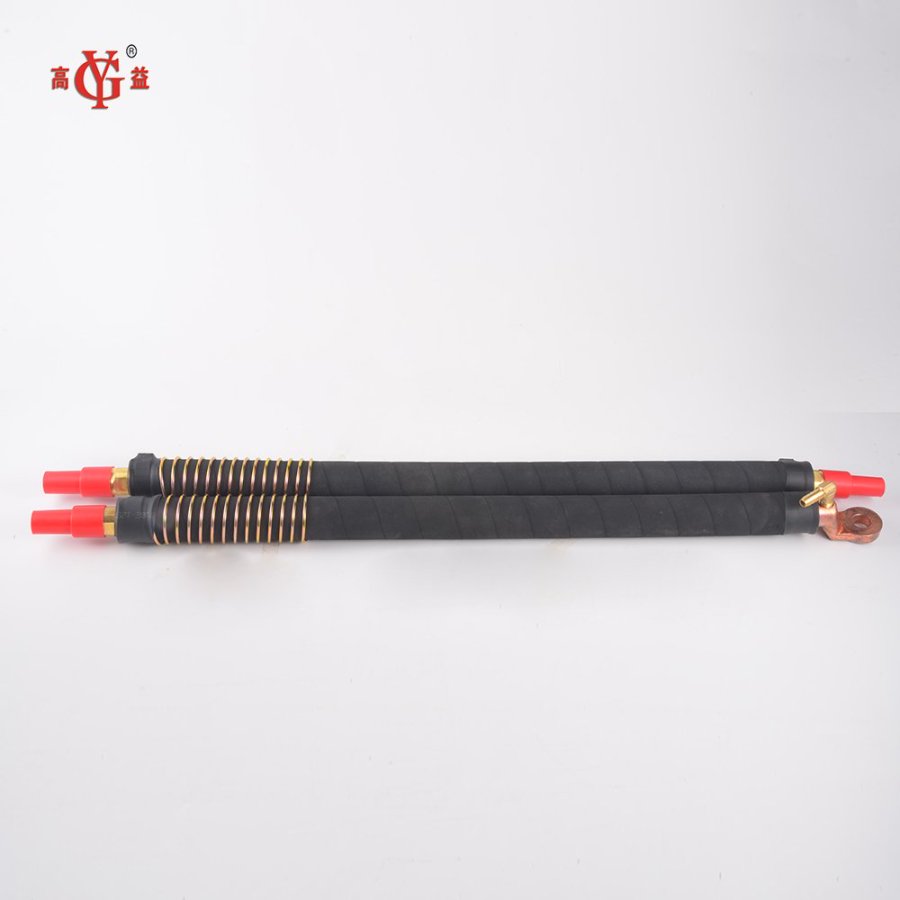
When it comes to the world of welding, the quality and reliability of the equipment used play crucial roles in achieving optimal results. One essential component of welding setups is the welding cable, and specifically, non-inductive welding cables, which are designed to provide a stable arc during welding operations.
Non-inductive welding cables are engineered to minimize inductance, ensuring that the electrical current flows seamlessly through the cable without significant fluctuation. This property is vital for maintaining a stable arc, which is a critical factor for achieving high-quality welds. A stable arc helps in preventing issues such as spatter, inconsistent weld penetration, and overheating, all of which can compromise the integrity of the weld joint and the overall quality of the work.
In various welding processes, the stability of the arc can significantly impact the ease of use and the final outcome. Non-inductive welding cables help to deliver smooth and consistent power, which is especially important in applications that require precision and control. Whether you’re working with MIG, TIG, or stick welding, utilizing non-inductive cables can help ensure that your welding operations are both efficient and effective.
Furthermore, non-inductive welding cables are typically constructed with high-quality materials that provide excellent flexibility and durability. This makes them suitable for various working environments and conditions, as they can withstand the rigors of frequent movement and exposure to harsh elements. Their robust design also contributes to the overall safety of the welding operation, reducing the risk of electrical hazards.
In addition to their practical benefits, using non-inductive welding cables can also lead to cost savings in the long run. By enhancing the quality of your welds and reducing the likelihood of defects, these cables can help minimize the need for rework and repairs, thereby increasing productivity and reducing waste.
When selecting non-inductive welding cables for your applications, it is important to consider factors such as the cable's gauge, insulation material, and flexibility. Choosing the right specifications will ensure that you achieve the best performance for your specific welding tasks.
In conclusion, non-inductive welding cables are an indispensable asset for anyone involved in welding. By promoting a stable arc and enhancing overall welding performance, these specialized cables contribute significantly to the efficiency and quality of welding operations. Whether you're a seasoned professional or just getting started, investing in the right type of welding cable can make all the difference in achieving outstanding results.
Non-inductive welding cables are engineered to minimize inductance, ensuring that the electrical current flows seamlessly through the cable without significant fluctuation. This property is vital for maintaining a stable arc, which is a critical factor for achieving high-quality welds. A stable arc helps in preventing issues such as spatter, inconsistent weld penetration, and overheating, all of which can compromise the integrity of the weld joint and the overall quality of the work.
In various welding processes, the stability of the arc can significantly impact the ease of use and the final outcome. Non-inductive welding cables help to deliver smooth and consistent power, which is especially important in applications that require precision and control. Whether you’re working with MIG, TIG, or stick welding, utilizing non-inductive cables can help ensure that your welding operations are both efficient and effective.
Furthermore, non-inductive welding cables are typically constructed with high-quality materials that provide excellent flexibility and durability. This makes them suitable for various working environments and conditions, as they can withstand the rigors of frequent movement and exposure to harsh elements. Their robust design also contributes to the overall safety of the welding operation, reducing the risk of electrical hazards.
In addition to their practical benefits, using non-inductive welding cables can also lead to cost savings in the long run. By enhancing the quality of your welds and reducing the likelihood of defects, these cables can help minimize the need for rework and repairs, thereby increasing productivity and reducing waste.
When selecting non-inductive welding cables for your applications, it is important to consider factors such as the cable's gauge, insulation material, and flexibility. Choosing the right specifications will ensure that you achieve the best performance for your specific welding tasks.
In conclusion, non-inductive welding cables are an indispensable asset for anyone involved in welding. By promoting a stable arc and enhancing overall welding performance, these specialized cables contribute significantly to the efficiency and quality of welding operations. Whether you're a seasoned professional or just getting started, investing in the right type of welding cable can make all the difference in achieving outstanding results.
TAG:
Related Posts
Understanding Non-Inductive Welding Cables for Stable Arc Performance
When it comes to the world of welding, the quality and reliability of the equipment used play crucial roles in achieving optimal results. One essential component of welding setups is the welding cable, and specifically, non-inductive welding cables, which are designed to provide a stable arc during welding operations.
Non-inductive welding cables are engineered to minimize inductance, ensuring tha