
The Ultimate Guide to Handheld Tip Dressers in Welding Applications
Mar 07,2026
The Ultimate Guide to Handheld Tip Dressers in Welding Applications
Welding is a precise art that requires the right tools for successful execution. One of the essential tools that often gets overlooked is the **handheld tip dresser**. In this guide, we will explore everything you need to know about handheld tip dressers, including their functionality, types, and maintenance, ensuring you can achi
The Ultimate Guide to Handheld Tip Dressers in Welding Applications
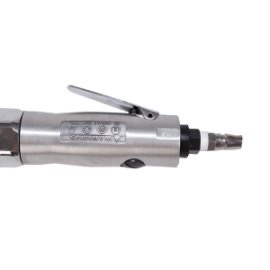
Welding is a precise art that requires the right tools for successful execution. One of the essential tools that often gets overlooked is the **handheld tip dresser**. In this guide, we will explore everything you need to know about handheld tip dressers, including their functionality, types, and maintenance, ensuring you can achieve the highest quality welds in your projects.
Table of Contents
1. What is a Handheld Tip Dresser?
2. Why Are Handheld Tip Dressers Important in Welding?
3. Types of Handheld Tip Dressers
- 3.1 Manual Tip Dressers
- 3.2 Electric Tip Dressers
4. How to Use Handheld Tip Dressers Effectively
5. Maintenance and Care for Handheld Tip Dressers
6. Common Issues with Handheld Tip Dressers and How to Resolve Them
7. How to Choose the Right Handheld Tip Dresser for Your Needs
8. Conclusion
9. Frequently Asked Questions
What is a Handheld Tip Dresser?
A handheld tip dresser is a tool used in welding to maintain the condition of the welding tip. It is designed to reshape and sharpen the tip of the welding torch, ensuring optimal performance. A well-maintained tip not only enhances the quality of the weld but also improves the efficiency of the welding process, leading to better results and reduced downtime.
Why Are Handheld Tip Dressers Important in Welding?
Handheld tip dressers play a critical role in achieving high-quality welds. Here are some reasons why they are essential:
- **Precision**: A properly dressed tip provides a consistent arc length, leading to more accurate welds.
- **Quality**: Dressed tips produce cleaner welds with fewer defects, reducing the need for rework.
- **Efficiency**: By maintaining the tip's shape, welders can work faster, reducing project time and costs.
- **Safety**: A well-maintained welding tip minimizes the risk of accidents caused by poor welding conditions.
Types of Handheld Tip Dressers
When selecting a handheld tip dresser, it's essential to understand the different types available. Each type has its advantages and is suited for specific applications.
3.1 Manual Tip Dressers
Manual tip dressers are simple tools that require physical effort to operate. They are typically more affordable and straightforward to use. Welders often prefer manual dressers for their portability and ease of maintenance.
3.2 Electric Tip Dressers
Electric tip dressers use power to automate the dressing process. These tools offer consistent results and require less physical labor, making them ideal for high-volume welding operations. While they tend to be more expensive, the efficiency gains can justify the investment for many welding professionals.
How to Use Handheld Tip Dressers Effectively
Using a handheld tip dresser correctly is crucial for achieving the best results. Follow these steps to ensure effective usage:
1. **Preparation**: Gather your materials, including the handheld tip dresser, a clean work surface, and any necessary safety gear.
2. **Inspect the Tip**: Examine the welding tip for wear or damage. If it shows signs of excessive wear, dressing will be necessary.
3. **Dress the Tip**: For manual dressers, hold the tool at a consistent angle and apply even pressure while moving it across the tip. For electric dressers, follow the manufacturer's instructions for operation.
4. **Check the Results**: After dressing, inspect the tip again to ensure it has been shaped correctly. The tip should be sharp and even, with no visible defects.
5. **Clean Up**: Remove any metal filings and debris from the work area to maintain a safe working environment.
Maintenance and Care for Handheld Tip Dressers
Proper maintenance of your handheld tip dresser is vital for its longevity and performance. Here are some tips to ensure your tool remains in top condition:
- **Clean Regularly**: After each use, clean the tip dresser to remove any metal shavings and debris. This prevents contamination and ensures a longer lifespan for the tool.
- **Inspect for Wear**: Periodically check the dressing surfaces for wear. Replace any components that are worn out or damaged.
- **Store Properly**: Keep your tip dresser in a dry, safe location to prevent rust and damage.
- **Follow Manufacturer Guidelines**: Adhere to the specific maintenance instructions provided by the manufacturer.
Common Issues with Handheld Tip Dressers and How to Resolve Them
Like any tool, handheld tip dressers can encounter issues. Here are some common problems and their solutions:
- **Inconsistent Dressing**: If the results are not uniform, check the pressure applied during use. Adjusting the pressure can yield more consistent results.
- **Tool Overheating**: If using an electric tip dresser, overheating can occur. Ensure the tool is not being used continuously for extended periods and allow it to cool down as needed.
- **Difficulties in Operation**: If the tool does not operate smoothly, inspect for debris or damage. Cleaning or replacing parts may be necessary.
How to Choose the Right Handheld Tip Dresser for Your Needs
Selecting the right handheld tip dresser is crucial for achieving optimal welding results. Consider the following factors:
- **Type of Welding**: Different welding applications may require specific types of tip dressers. Assess your needs based on the welding process you use most frequently.
- **Frequency of Use**: If you weld regularly, investing in a higher-quality electric tip dresser may be worthwhile. For occasional use, a manual dresser may suffice.
- **Budget**: Determine your budget and look for products that offer the best value within that range. Consider the long-term costs associated with maintenance and replacement.
- **Brand Reputation**: Research brands and read reviews to understand the performance and reliability of different handheld tip dressers.
Conclusion
Handheld tip dressers are indispensable tools in the welding industry, enhancing precision, quality, and efficiency. By understanding their importance, types, and proper usage, you can improve your welding projects significantly. Whether you are selecting your first tip dresser or looking to upgrade your existing equipment, this guide serves as a valuable resource for maximizing the potential of your welding operations.
Frequently Asked Questions
1. **What is the main purpose of a handheld tip dresser?**
The primary purpose of a handheld tip dresser is to reshape and sharpen the tip of the welding torch, ensuring optimal performance in welding tasks.
2. **How often should I dress my welding tip?**
The frequency of dressing depends on the amount of welding performed. Regular welders may need to dress their tips daily, while occasional users may do so less frequently.
3. **What are the signs that my welding tip needs dressing?**
Signs include a rough or uneven surface, increased spatter, or difficulty maintaining a consistent arc.
4. **Can I use a manual tip dresser for electric welding?**
Yes, manual tip dressers are versatile and can be used for various welding types, including electric welding.
5. **What is the difference between manual and electric tip dressers?**
Manual tip dressers require physical effort to operate, while electric tip dressers automate the dressing process for more consistent results.
TAG:
Related Posts
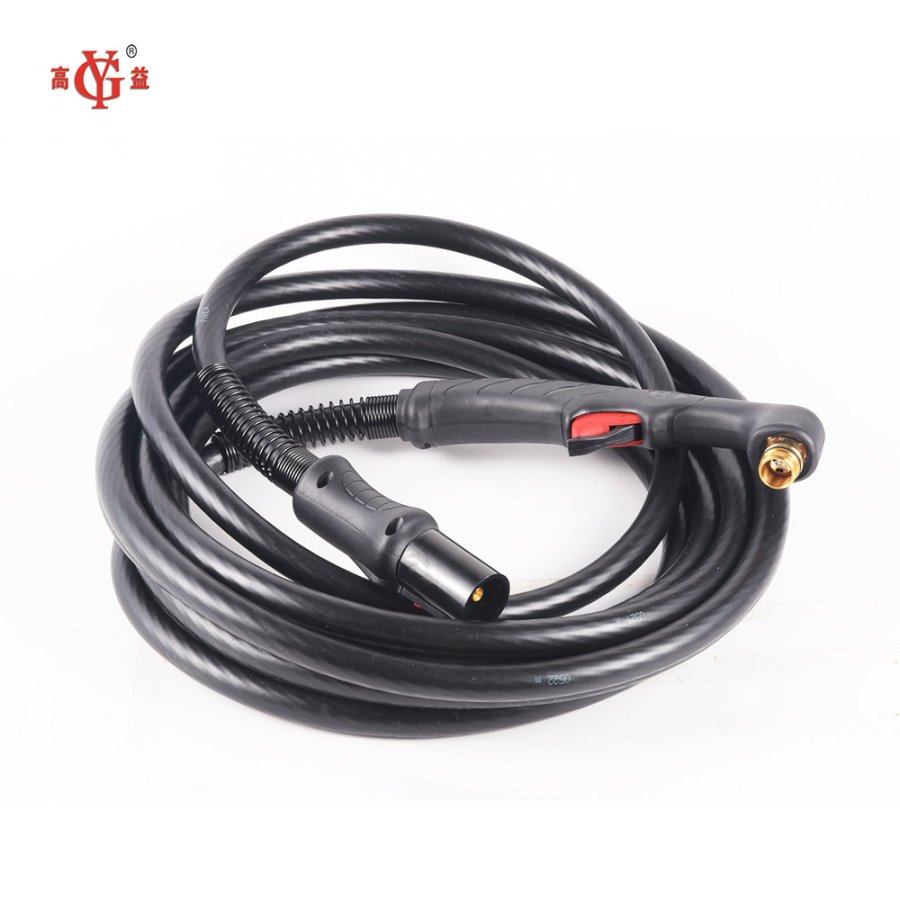
Exploring the Advantages of Plasma Cutting Torches for Metal Fabrication
Plasma cutting torches have revolutionized the metal fabrication industry, offering manufacturers a highly efficient and precise method for cutting various metals. This technology employs a high-velocity jet of ionized gas, or plasma, which reaches temperatures that can melt through metals with remarkable speed and accuracy. Understanding the intricacies of plasma cutting torches can greatly enhan