
Maximizing Efficiency with Plasma Cutting Torches in Metal Fabrication
Mar 06,2026
Plasma cutting torches are essential tools in metal fabrication, utilizing a high-velocity jet of ionized gas (plasma) to cut through electrically conductive materials. The process starts with the creation of an arc between an electrode and the workpiece, which heats the gas to a plasma state. The resulting high-temperature plasma stream is directed through a nozzle, effectively piercing the mater

Plasma cutting torches are essential tools in metal fabrication, utilizing a high-velocity jet of ionized gas (plasma) to cut through electrically conductive materials. The process starts with the creation of an arc between an electrode and the workpiece, which heats the gas to a plasma state. The resulting high-temperature plasma stream is directed through a nozzle, effectively piercing the material and allowing for precise cuts. This technology has gained popularity due to its speed, versatility, and ability to cut through various metals, including steel, aluminum, and copper.
One of the primary advantages of plasma cutting torches is their efficiency in terms of speed and precision. Compared to traditional cutting methods, plasma cutting can significantly reduce processing time, making it an excellent choice for high-volume fabrication jobs. Additionally, the capability to produce intricate cuts with minimal kerf width ensures high-quality results, reducing the need for secondary operations.
Another noteworthy aspect of plasma cutting is its adaptability. Modern plasma cutting systems can adjust parameters such as current and cutting speed based on the thickness and type of material, allowing operators to achieve optimal performance. This adaptability is crucial in a dynamic manufacturing environment where variability in materials and designs is common.
When utilizing plasma cutting torches, it is essential to follow best practices to ensure both safety and efficiency. First and foremost, operators should wear appropriate personal protective equipment (PPE), including safety goggles and flame-resistant clothing. Proper ventilation is also critical, as the cutting process can generate harmful fumes. Regular maintenance of the torch and related equipment is another vital practice, as it prevents downtime and extends the lifespan of the tools.
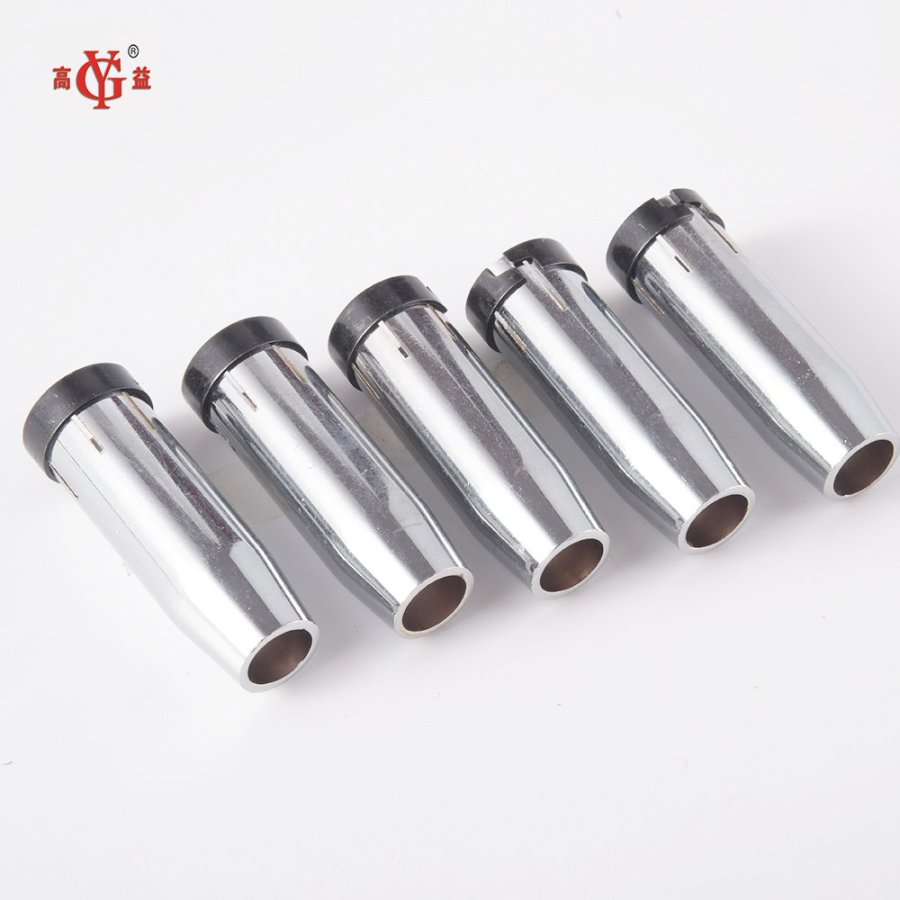
Training and familiarity with the specific plasma cutting system being used can greatly enhance productivity. Operators should be well-versed in the system's controls, capabilities, and limitations to maximize its potential. Moreover, investing in high-quality consumables such as nozzles and electrodes can lead to better performance and longer service intervals.
In summary, plasma cutting torches serve as a transformative tool in the field of metal fabrication. Their speed, precision, and adaptability make them invaluable in various industrial applications. By adhering to best practices and ensuring continuous training, professionals in the welding and cutting equipment sector can leverage the full potential of plasma cutting technology, contributing to enhanced productivity and superior end products.
One of the primary advantages of plasma cutting torches is their efficiency in terms of speed and precision. Compared to traditional cutting methods, plasma cutting can significantly reduce processing time, making it an excellent choice for high-volume fabrication jobs. Additionally, the capability to produce intricate cuts with minimal kerf width ensures high-quality results, reducing the need for secondary operations.
Another noteworthy aspect of plasma cutting is its adaptability. Modern plasma cutting systems can adjust parameters such as current and cutting speed based on the thickness and type of material, allowing operators to achieve optimal performance. This adaptability is crucial in a dynamic manufacturing environment where variability in materials and designs is common.
When utilizing plasma cutting torches, it is essential to follow best practices to ensure both safety and efficiency. First and foremost, operators should wear appropriate personal protective equipment (PPE), including safety goggles and flame-resistant clothing. Proper ventilation is also critical, as the cutting process can generate harmful fumes. Regular maintenance of the torch and related equipment is another vital practice, as it prevents downtime and extends the lifespan of the tools.
Training and familiarity with the specific plasma cutting system being used can greatly enhance productivity. Operators should be well-versed in the system's controls, capabilities, and limitations to maximize its potential. Moreover, investing in high-quality consumables such as nozzles and electrodes can lead to better performance and longer service intervals.
In summary, plasma cutting torches serve as a transformative tool in the field of metal fabrication. Their speed, precision, and adaptability make them invaluable in various industrial applications. By adhering to best practices and ensuring continuous training, professionals in the welding and cutting equipment sector can leverage the full potential of plasma cutting technology, contributing to enhanced productivity and superior end products.
TAG:
Related Posts
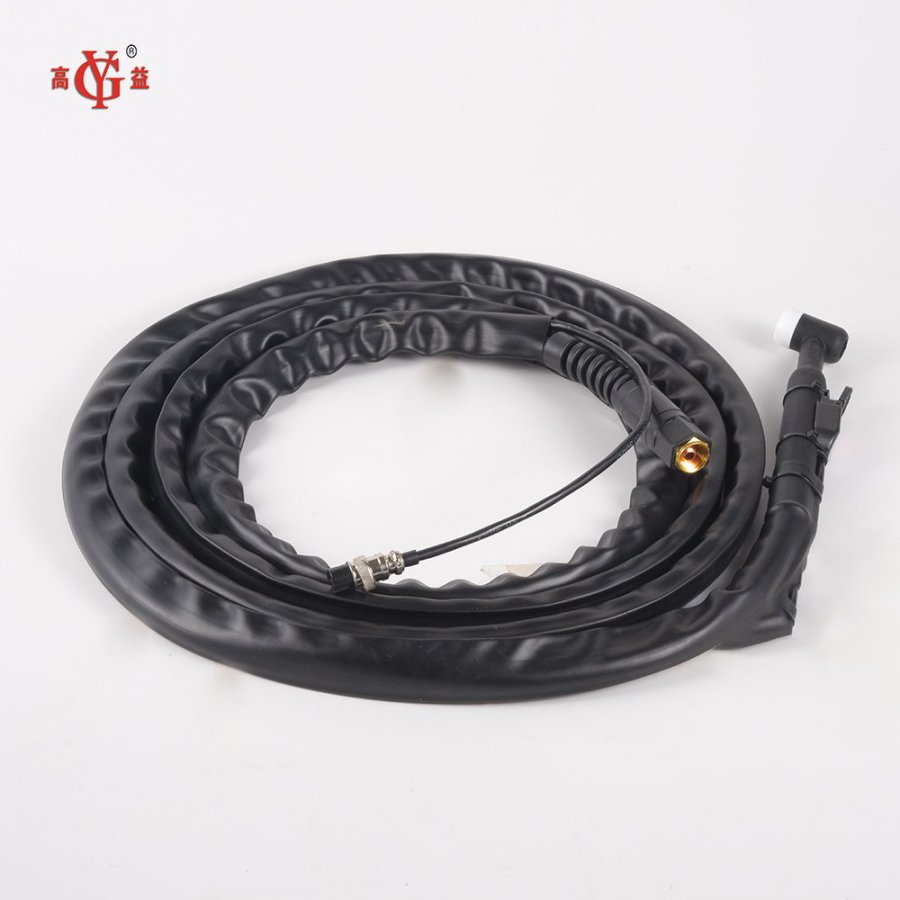
The Art of TIG Welding: Mastering Your Torch for Perfect Results
The Art of TIG Welding: Mastering Your Torch for Perfect Results
TIG (Tungsten Inert Gas) welding is a sophisticated process that requires a deep understanding of technique, equipment, and material behavior. In this extensive guide, we will explore the nuances of mastering your TIG torch, focusing on achieving perfect results in your welding projects.
Table of Contents
1. Introduction to TIG Weldi